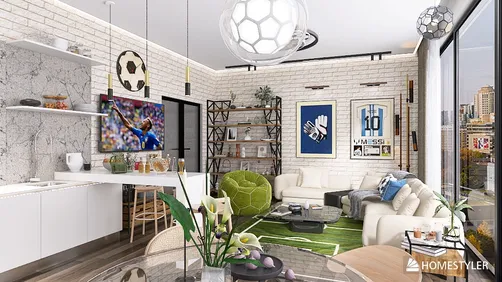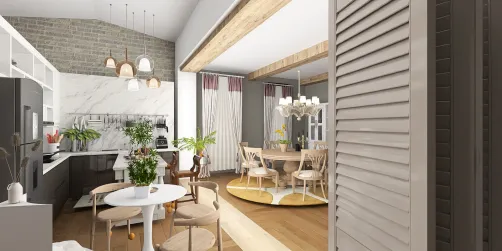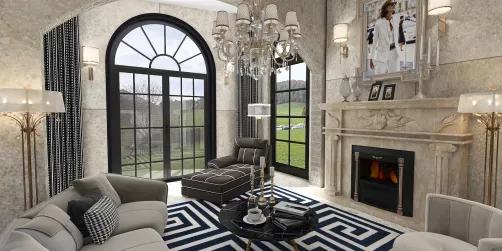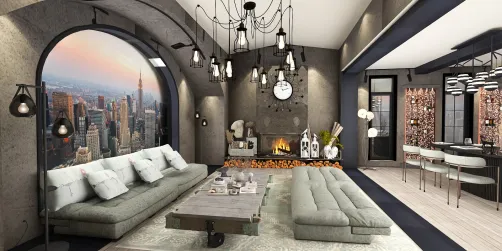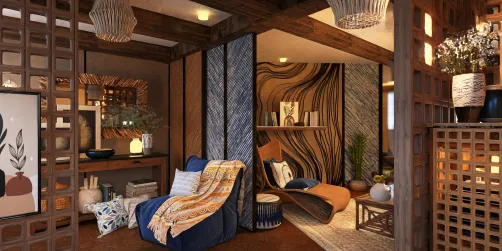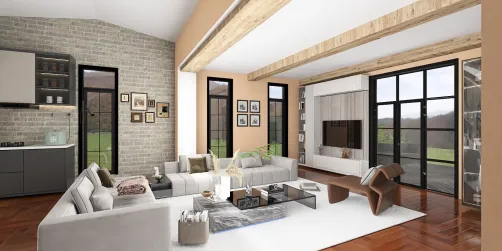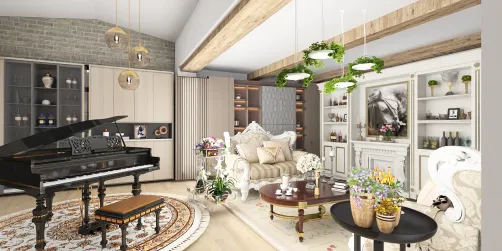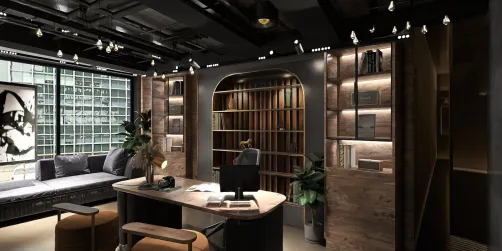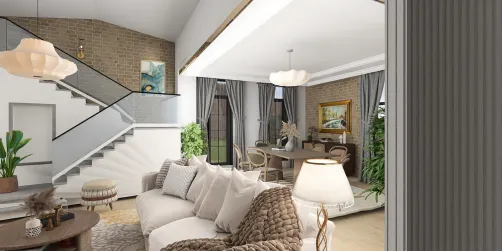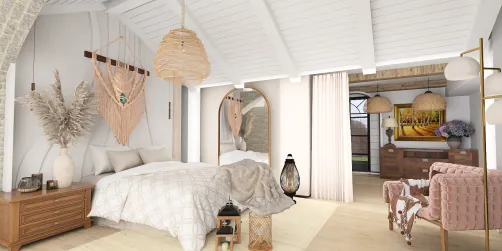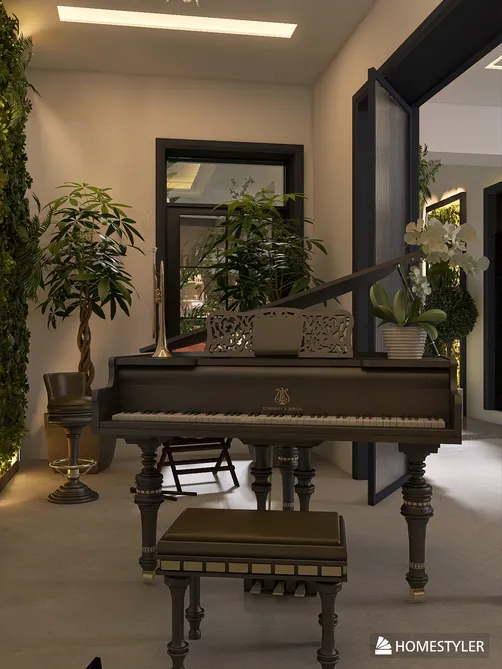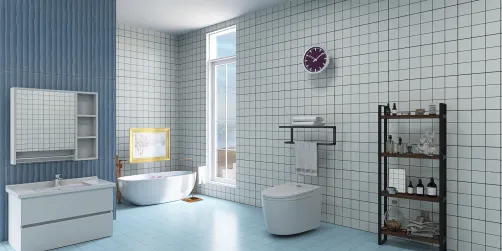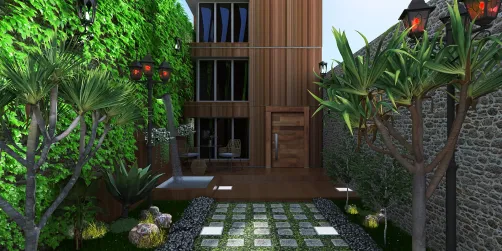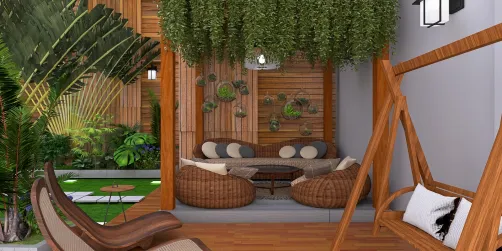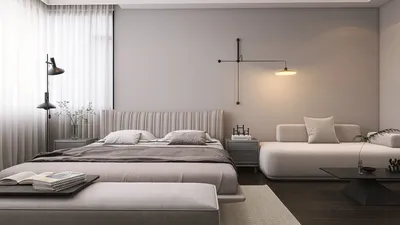
Mastering interior detail drawing rendering is crucial for interior designers, particularly when designing compact spaces. Perfecting this skill allows you to animate your designs and convey your concepts effectively to clients. Be it a meticulously planned built-in cabinet, a snug reading nook, or a versatile living area, grasping the intricacies of rendering can significantly improve your presentations and help you optimize every square foot. Incorporating tools like Homestyler can further elevate your design process.
Understanding the Art of Interior Detail Drawing
Interior detail drawing consists of producing accurate representations of the architectural elements within a given space. This encompasses everything from the arrangement of furniture to detailed designs of moldings and fixtures. The aim is to present a transparent vision of how each element integrates into the overarching design, focusing particularly on design efficiency in smaller areas.
Essential Techniques for Effective Renderings
Here are some vital techniques that can lead to impressive renderings:
Tools and Software for Advanced Rendering
With today’s technology, crafting intricate renderings has become more accessible than ever. Consider these popular tools for your projects:
Strategies for Rendering Small Spaces
When tackling small-space designs, keep these strategies in mind:
Frequently Asked Questions
Q: Which software is best suited for interior rendering? A: Commonly recommended options include SketchUp, AutoCAD, and Photoshop due to their adaptability and user-friendliness. Incorporating Homestyler can also streamline your rendering process.
Q: How can I create a sense of depth in my renderings? A: Employ shading and layering methods to introduce dimension to your artwork.
Q: What aspects should I emphasize when rendering for small spaces? A: Focus on practical layouts and innovative storage solutions to enhance functionality.
Explore the Leading Home Design Software