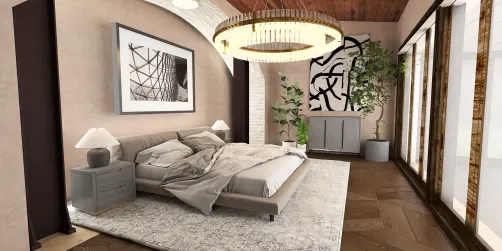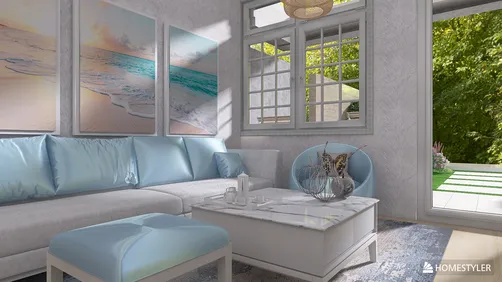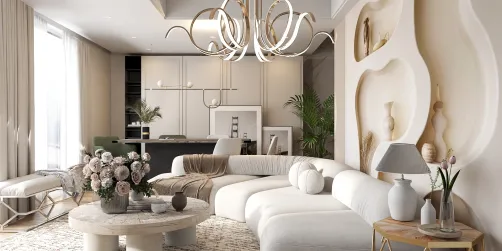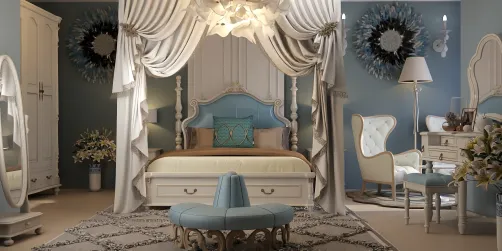
I've always favored grey wallpaper as a serene and adaptable backdrop, allowing furniture, artwork, and natural light to shine. When applied effectively, it creates a sophisticated, gallery-like ambiance without coming off as chilly. The secret lies in mastering the undertones, textures, and sheens while ensuring they harmonize with both daylight and artificial lighting to achieve the desired effect with your grey scheme.
Research-supported principles: undertones, light, and comfort
Grey acts like a chameleon; its warmth or coolness shifts with changing light conditions. The WELL v2 framework emphasizes the significance of balanced illumination for visual comfort, advising on glare reduction and suitable light intensities to alleviate visual strain. Typically, the Illuminating Engineering Society recommends a light level of 100–300 lux for living areas, while specific task zones may require higher levels. When the grey wallpaper is placed in an environment with 150–250 lux during the evening, matte finishes help reduce glare, ensuring the colors remain true to their essence.
Color influences mood more than many clients assume. Research overviewed by Verywell Mind highlights that cooler shades promote calmness and focus, while warmer tones feel inviting. Opting for a warm greige in a north-facing living room combats the coolness of natural light; conversely, a cooler, blue-tinged grey brightens a south-facing space effectively.
Selecting the perfect grey: undertones, LRV, and texture
My process begins with mapping out the undertones—whether blue, green, violet, or brown—followed by assessing the wallpaper’s Light Reflectance Value (LRV) to gauge brightness. Grey shades with mid-LRV (45–60) are ideal for multifunctional living areas, providing the necessary contrast for artworks and soft furnishings without significantly darkening the room. For minimalists, textured non-woven or grasscloth greys can create subtle depth while beautifully capturing evening light.
Strategizing lighting for grey walls
Using layered lighting allows grey to perform optimally: ambient light sets the overall mood, accent lighting shapes texture, and task lighting is placed where necessary. A correlated color temperature (CCT) of 2700–3000K provides warmth for cozy evenings. If your palette leans cool, increasing this to 3000–3500K helps maintain chromatic harmony. Position wall grazers 12–18 inches from surfaces to bring out texture, and utilize dimmers to create comfortable luminance ratios. Referring to WELL v2 for glare reduction and adhering to IES recommendations for living-area brightness ensures your grey remains flattering and restful.
Pattern and scale: subtle drama
In living rooms, I tend to select patterns with gentle geometry—like herringbone, soft chevrons, or micro-grids—with a medium scale. Large patterns can dominate smaller spaces, while overly small prints may create visual clutter. The rhythm of the pattern should complement your furniture arrangement; a vertical pattern can enhance low ceilings, whereas horizontal designs can widen narrow rooms.
How grey enhances furniture and art
Grey serves as a generous host for decor. Warm grey pairs exquisitely with walnut, aged brass, and boucle, while cooler greys harmonize with blackened steel, marble, and linen. When showcasing vibrant artwork, a neutral mid-grey with a low sheen helps maintain color fidelity. Follow the 60/30/10 palette rule: 60% grey for walls, 30% complementary neutrals (sofa, rug), and 10% for accent colors (pillows, art). This formula ensures visual harmony without draining energy from the space.
Acoustic comfort through materials
Textured wallpapers introduce micro-diffusion that softens mid-to-high frequency sound reflections, which is beneficial in lively living rooms with hardwood flooring. Pair this with a dense area rug, upholstered furniture, and lined curtains to keep reverberation times pleasantly low. If the wallpaper is vinyl-coated, make sure to combine it with breathable fabrics to avoid an overly slick acoustic profile.
Sustainability and upkeep
Seek out low-VOC adhesives and GREENGUARD-certified wall coverings when possible. Non-woven backings facilitate easier removal and lessen wall damage. For busy households, wallpapers with a scrubbable rating (often indicated by manufacturers) and a satin-to-matte finish provide easy maintenance without unwanted glare.
Room layout synergy with grey
Grey can effectively define areas of activity: a deeper grey behind the media wall can anchor the viewing zone, while a lighter hue near windows maintains brightness. If you want to test arrangements and sightlines, utilizing a room layout tool can help visualize seating clusters, wall accents, and lighting before finalizing your design.
Emerging trends: 2024–2025
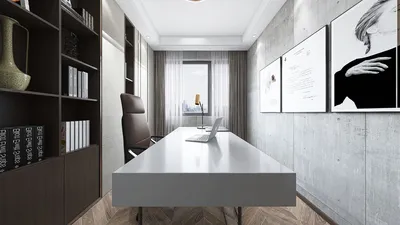
Current trends highlight layered greys with warm undertones paired with textured neutrals, soft metallic lighting, and bold natural stone elements. This notion of quiet luxury harbors tactile qualities: plaster-like wallpapers, linen textures, and micro-weaves that resonate with richness up close while appearing restrained from afar.
Field installation tips
Ensure to prime walls and spot-fill areas to avoid any telegraphing. For textured papers, align seams under consistent grazing light to conceal joins seamlessly. Always order an extra roll for precise pattern matching and future repairs. If direct sunlight is intense, consider UV-filtering window films to prevent uneven fading.
WELL v2 guidelines for visual comfort and glare management, coupled with IES recommendations for living-area illumination, offer trustworthy parameters for achieving the right light intensity and glare control in grey-wall environments. For insights into color behavior and psychological effects, Verywell Mind's research overview on color psychology serves as a solid resource.
Frequently Asked Questions
Q1: Which grey undertone is best for a north-facing living room?
A warm greige or grey featuring slight brown or green undertones can counteract the cool natural light, ensuring the room does not appear flat or too blue.
Q2: What brightness level should my living room maintain to complement grey wallpaper?
According to IES guidelines, a target of 100–300 lux is suitable for living areas. Maintain evening levels around 150–250 lux using layered lighting to enhance depth without glare.
Q3: Is matte or satin finish preferable for grey walls?
Matte finish minimizes glare and preserves color accuracy, particularly under accent lighting. Satin offers greater durability and wipeability but may enhance any surface imperfections.
Q4: Can textured grey wallpaper improve acoustics?
Yes, it offers mild sound diffusion that softens high-frequency reflections. When combined with rugs and upholstered seating, it notably increases comfort.
Q5: What's the best pattern scale for a small living room?
Select medium-scale, low-contrast patterns. These elements enhance character without overcrowding the visual space and maintain calm sightlines.
Q6: Can grey make my space feel unwelcoming?
Not if you manage undertones and lighting effectively. Warm greys coupled with 2700–3000K lighting, wood tones, and tactile textiles cultivate a cozy environment.
Q7: What's a secure color palette to pair with grey wallpaper?
Try the 60/30/10 approach: 60% for grey walls, 30% for complementary neutrals, and 10% for accent colors. This guideline is straightforward to modify while keeping your room cohesive.
Q8: What sustainability factors come with wallpaper?
Opt for low-VOC adhesives and certified low-emission wall coverings whenever possible. Non-woven backings facilitate easy removal and help reduce waste during updates.
Q9: What's the best way to avoid visible seams on textured wallpaper?
Install under consistent lighting, utilize a laser level for alignment, and gently roll seams for a flawless finish. Order extra material for accurate pattern matching.
Q10: What lighting temperature works well with cool grey?
3000–3500K aligns perfectly with cool greys, maintaining a fresh appearance without seeming overly clinical, especially alongside natural twilight.

Homestyler is your go-to online home design platform, perfect for turning your décor ideas into reality! With its user-friendly design tool, stunning 3D renderings, and a wealth of design projects and DIY video tutorials, you can effortlessly create your dream space, no matter your experience level.