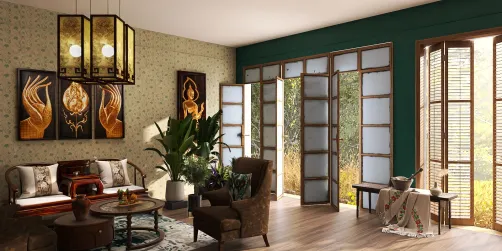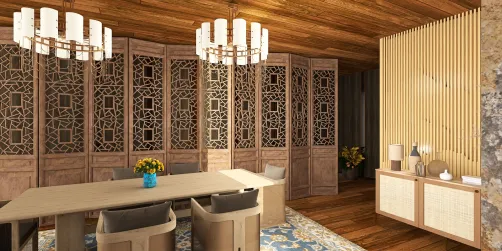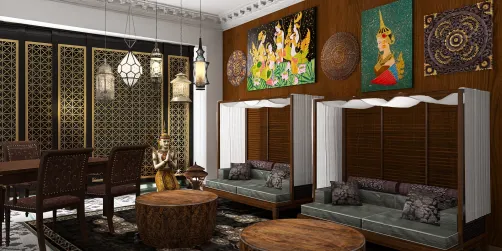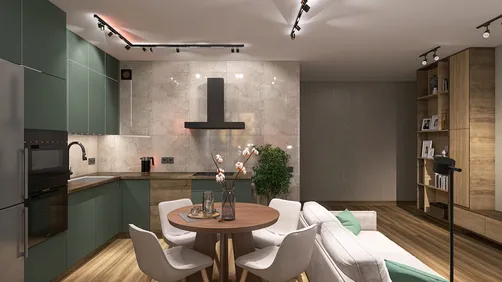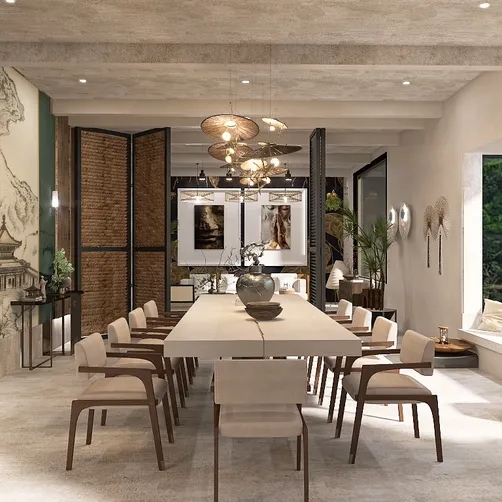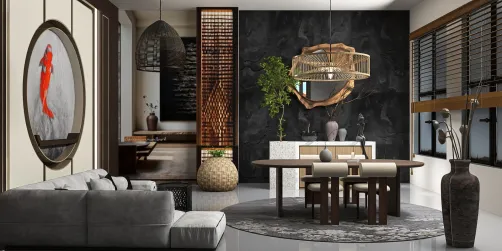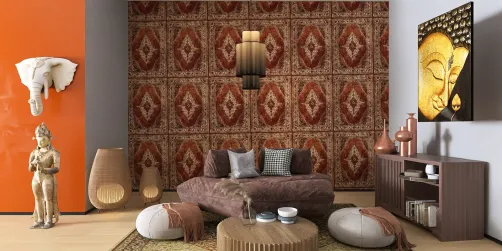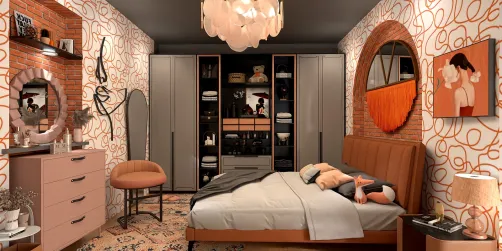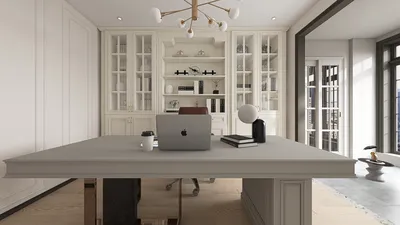
Designing an effective gallery floor plan is vital for displaying artwork and creating an engaging experience for visitors. Whether you’re an artist, curator, or gallery owner, understanding the spatial relationships within your exhibition can greatly enhance both visual appeal and functionality. This article delves into the crucial components of a gallery floor plan that optimizes space, boosts visibility, and captivates viewers, all while utilizing tools like Homestyler.
Grasping the Fundamentals of Gallery Floor Plans
Before we explore the details, it’s important to understand the basic principles of gallery floor plans. A thoughtfully crafted floor plan not only establishes the layout but also takes into account the movement flow within the area. Here are some essential factors to keep in mind:
Selecting the Ideal Layout for Your Gallery
When designing your gallery, various layout options can be considered. Below are some popular styles:
Integrating Multi-Functional Features
For smaller galleries, it’s crucial to integrate multi-functional features to optimize space. Keep the following tips in mind:
Frequently Asked Questions
Q: What is the most effective layout for a compact gallery? A: An open layout tends to be the best solution for smaller galleries, as it maximizes space and encourages flexible movement.
Q: How can I enhance the lighting in my gallery? A: Utilize a blend of natural light alongside adjustable LED fixtures to effectively illuminate various artworks.
Welcome to the premier floor plan creator, Homestyler!