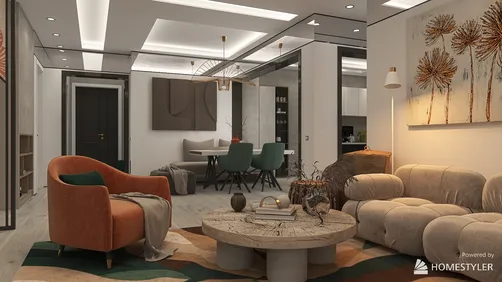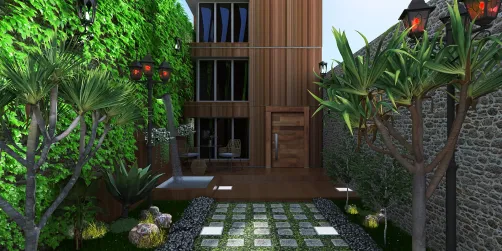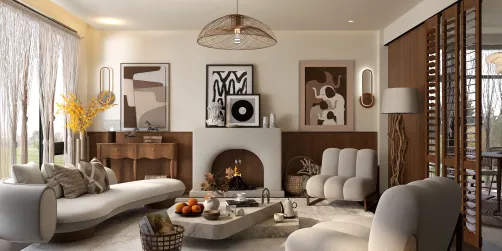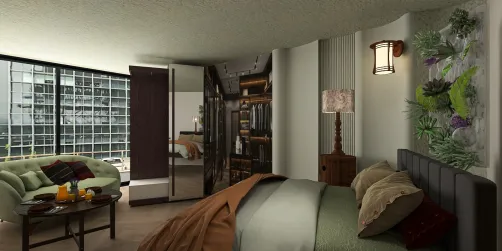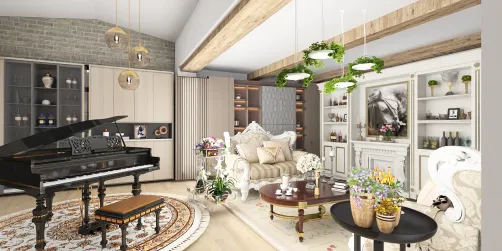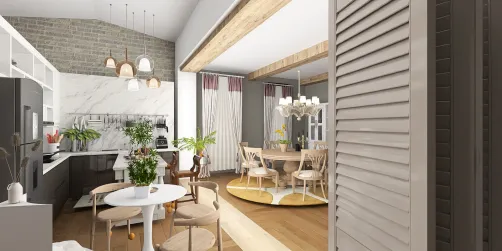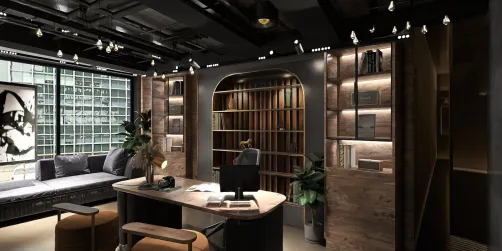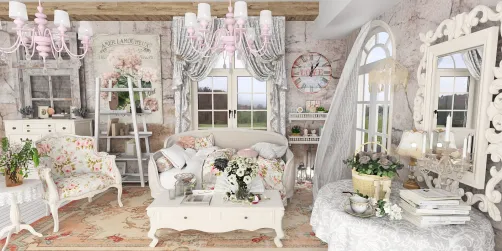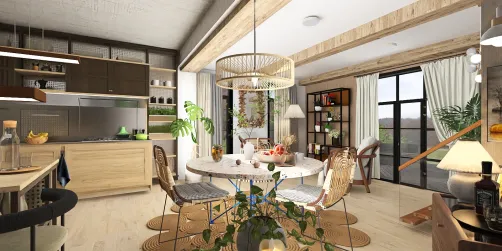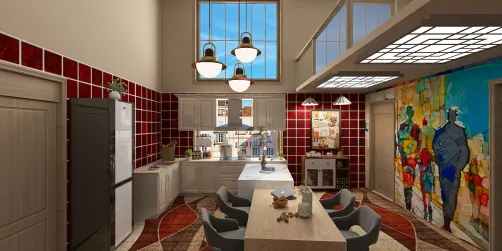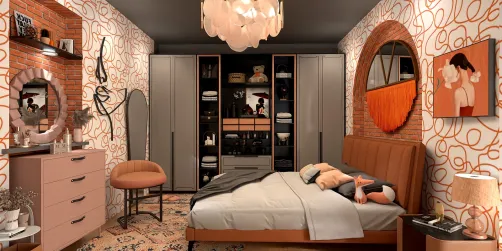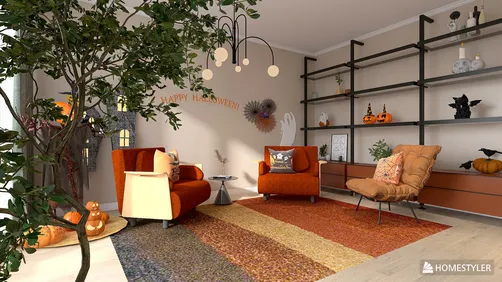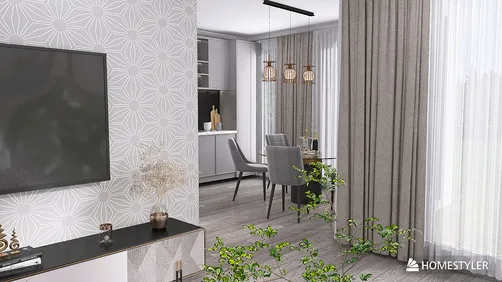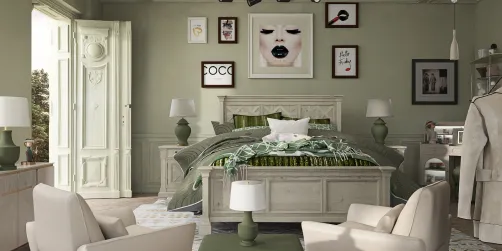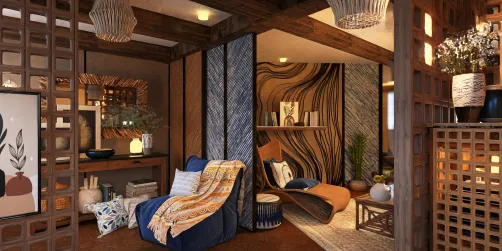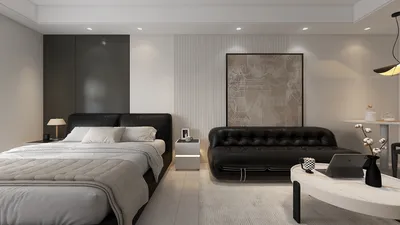
Developing a floor plan and elevation design is crucial for transforming any area, particularly when it comes to small spaces. By meticulously organizing your layout and elevations, you can improve both functionality and aesthetic charm. This is a detailed guide that will help you embark on your design adventure with the aid of tools like Homestyler.
Comprehending Floor Plans
Floor plans serve as essential diagrams that depict the layout of a space. They offer a bird's-eye view, highlighting the arrangement of rooms, furniture, and pathways. Consider the following important aspects:
Clearly demarcate various zones in your floor plan—living areas, workspace, and storage sections. This ensures that space is utilized efficiently.
The decision to opt for an open or closed layout significantly affects movement and interaction within your space. Open layouts facilitate connectivity, while closed layouts provide a sense of privacy.
For compact areas, it is vital to select furniture that fulfills multiple roles. Options like foldable tables, sofa beds, or storage ottomans can enhance usability.
Formulating Elevation Designs
While floor plans offer a top view, elevation designs concentrate on the vertical dimensions of a space. Here's how to create effective elevation designs:
Determine the design style that aligns with your vision—be it modern, traditional, or minimalist. This choice will direct your material and color selections.
Identify and highlight key architectural elements, such as windows, doors, and built-in furniture that augment the visual appeal of your space.
Strategic lighting and color palettes can significantly transform the perception of space. Employ lighter hues and design-focused lighting to fabricate an illusion of openness.
Design Tools You Can Use
Making use of design software can streamline the creation of floor plans and elevations:
Tools like Homestyler enable you to visualize your designs in 3D, allowing for precise planning of your space. Experiment with different layouts and elevations in real-time.
Countless online platforms provide templates and resources for crafting intricate floor plans and elevations. Many of them feature user-friendly designs, making the process accessible for all.
For a tactile experience, consider utilizing sketching tools or graph paper to draft your concepts prior to transitioning into digital formats.
In Conclusion
Creating floor plans and elevations necessitates thoughtful consideration and creativity. By prioritizing both functionality and aesthetics, you can design spaces that are pleasing to the eye while also being practical. Begin your design journey today with Homestyler and realize your vision!
Frequently Asked Questions
Q: What is the recommended approach to initiate a floor plan? A: Start by accurately measuring your space, then create a rough sketch that accounts for flow and functionality.
Q: How do I select the right software for elevation design? A: Look for programs that provide 3D visualization, user-friendliness, and features specifically catered to elevation design.
Welcome to the No.1 Floor Plan Creator