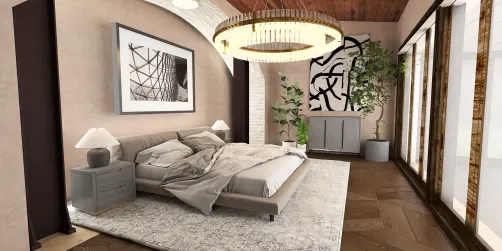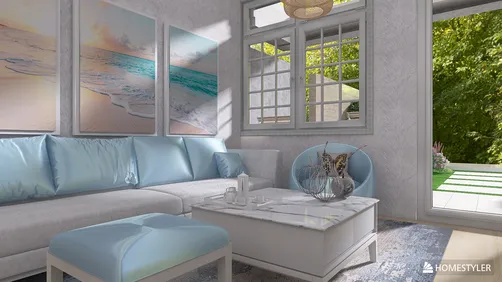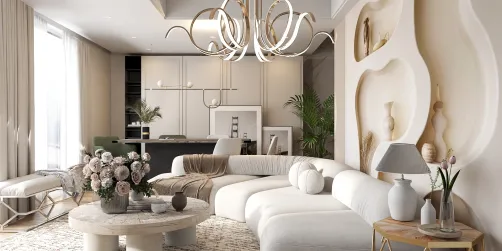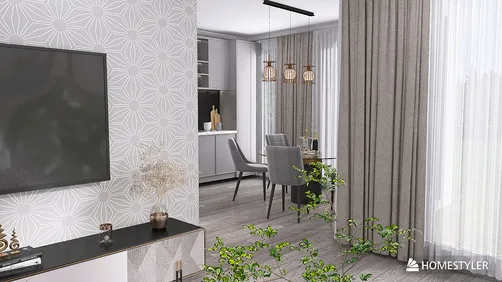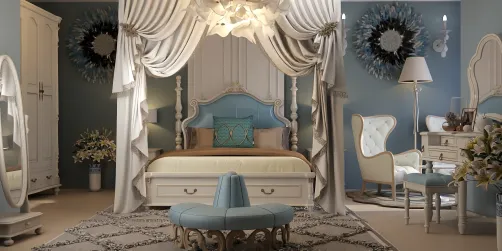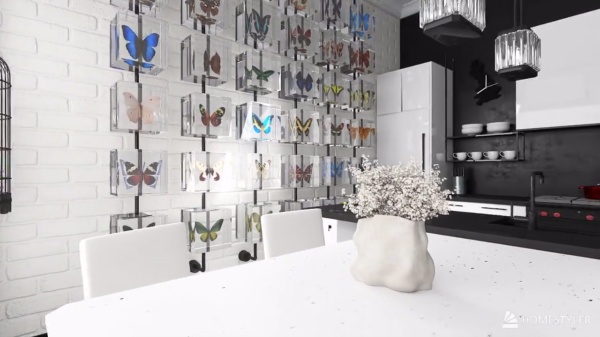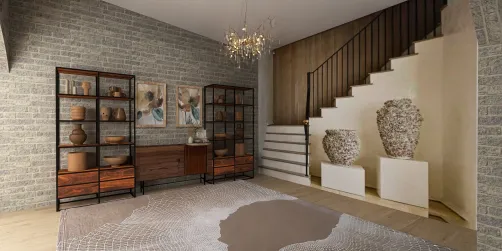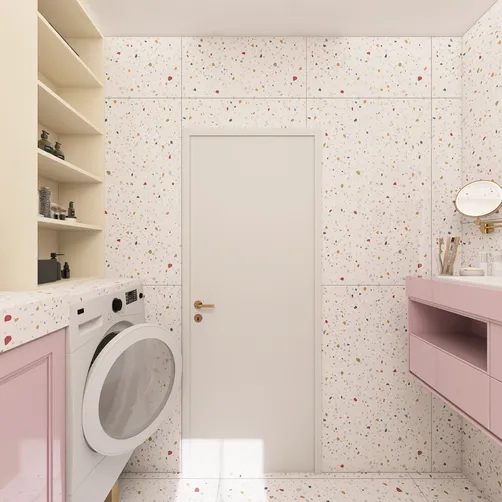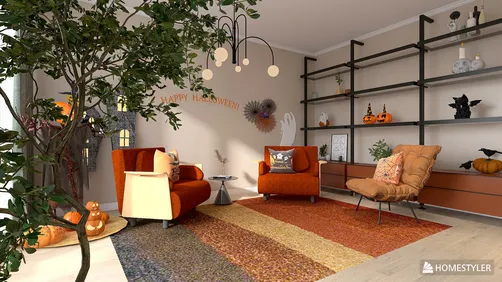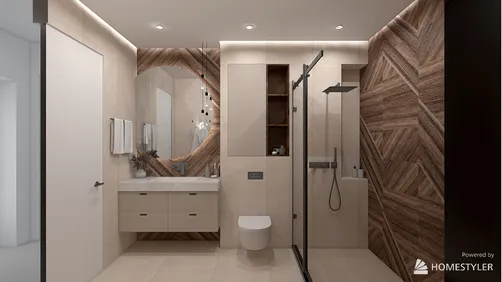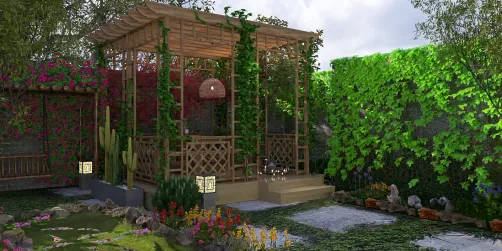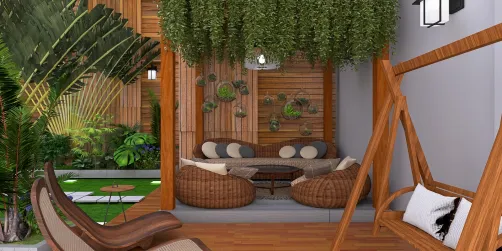
To create stunning 3D renderings, having a firm grasp of perspective is essential. Mastery of perspective doesn’t just boost the realism in your designs; it also aids in communicating your concepts more effectively. Whether your project involves a cozy room or a spacious interior, the fundamentals of perspective are pivotal in shaping how your work is interpreted.
Grasping the Basics of Perspective
In 3D rendering, perspective defines how objects diminish in size as they recede into the distance from the viewer. This principle is crucial for adding depth and realism to your visuals. Below are a few key elements to remember:
There are three main types of perspective employed in rendering:
To infuse depth into your 3D renderings, consider implementing these strategies:
3D Rendering Tools and Software Options
Selecting the appropriate tools is essential to achieving impressive outcomes. Here are several well-known software alternatives:
An effective and open-source suite for 3D creation, Blender accommodates every aspect of 3D production, including modeling, animation, and rendering.
SketchUp, perfect for both novices and professionals, features user-friendly modeling tools that enable quick 3D design creation.
With its extensive features and powerful rendering capabilities, 3ds Max is a favorite in the fields of architectural visualization and game design.
Boosting Realism through Effective Lighting
The role of lighting in a 3D rendering is critical. Here are some strategies to improve your renderings significantly:
Mimic natural light sources by positioning them thoughtfully to create authentic shadows and highlights.
Integrate artificial light fixtures to infuse warmth and depth into your designs, particularly in indoor environments.
Adjusting the color temperature of your lights can set different moods and atmospheres in your renderings.
In Conclusion
Mastering both perspective and lighting principles in 3D renderings is vital for crafting visually captivating and realistic designs. By thoroughly understanding these foundational elements and leveraging the right software like Homestyler, you can enhance your projects and leave a lasting impression on clients with your artistic prowess.
Frequently Asked Questions
Q: Which software is the most effective for 3D rendering? A: Well-known applications include Blender, SketchUp, and 3ds Max, each catering to a range of needs and expertise levels.
Q: What can I do to enhance the realism of my 3D renderings? A: Concentrate on mastering perspective, using strategic lighting, and applying realistic textures for better results.
Q: Can you explain one-point perspective? A: One-point perspective is a drawing technique where parallel lines meet at a single vanishing point, commonly utilized for scenes viewed head-on.
Welcome to the Premier Home Design Software