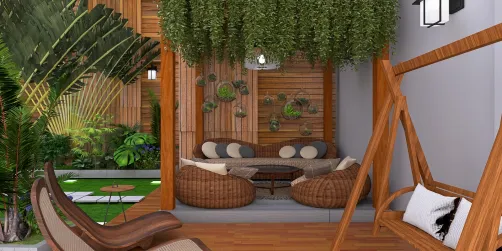
Designers and artists often find creating stunning 3D renditions of light bugs to be a fulfilling task. By concentrating on authentic textures, proper lighting, and thoughtful composition, you can breathe life into these captivating creatures in your work. Whether you're an experienced expert or a novice in the realm of 3D rendering, mastering the art of depicting light bugs can significantly enhance both your portfolio and skill set. Leveraging tools like Homestyler can make this process easier and more rewarding.
Grasping the Fundamentals of 3D Rendering
Before you delve into the art of rendering light bugs, it's vital to first understand the basic tenets of 3D rendering. This encompasses familiarizing yourself with various software tools, recognizing the significance of effectively utilizing lighting, and mastering the creation of lifelike textures that imitate the vibrant appearance of light bugs.
Selecting Suitable Software for 3D Rendering
There are numerous software options available for 3D rendering, each boasting distinctive features and functionalities. Some popular selections include:
Essential Techniques for Rendering Light Bugs
Utilizing high-quality textures that reflect the natural colors and patterns of light bugs is essential. Consider crafting custom textures or exploring texture libraries to discover the ideal fit for your project. Integrating Homestyler into your workflow can streamline this process and offer additional resources.
Lighting is pivotal for realism in your renders. Experiment with various light sources to imitate the bioluminescent glow typically seen in light bugs. Soft, diffused lighting can enhance the luminosity, making your creations more captivating.
The composition of your render significantly influences its overall perception. Employ the rule of thirds to strategically position your light bug, guiding the viewer's gaze. Pay attention to the background and surrounding elements to forge a balanced and cohesive scene.
Refining Your Light Bug Render
Once you've finished your initial render, it's crucial to engage in post-processing to elevate the final image. This can involve adjusting colors, incorporating depth of field, and sharpening details. Utilizing tools such as Adobe Photoshop or After Effects can be advantageous for these concluding refinements.
Frequently Asked Questions
Q: Which software is most suitable for beginners aiming to create 3D renders of light bugs? A: Blender stands out as a fantastic option for newcomers due to its user-friendly nature, robust community support, and a wealth of online tutorials.
Q: How can I enhance the realism of my light bug renders? A: Prioritize realistic texturing and lighting. Test out various materials and light configurations to replicate the authentic glow associated with light bugs.
Q: What are some frequent pitfalls to avoid in 3D rendering? A: Common errors include overlooking the importance of lighting, employing overly simplistic textures, and having poor composition. Take the time to refine these aspects for improved outcomes.
Welcome to the Leading Home Design Software