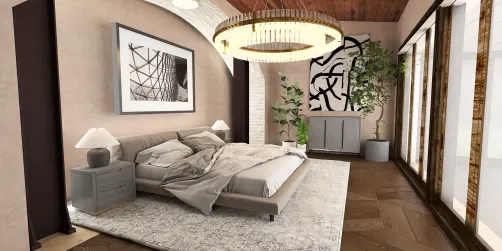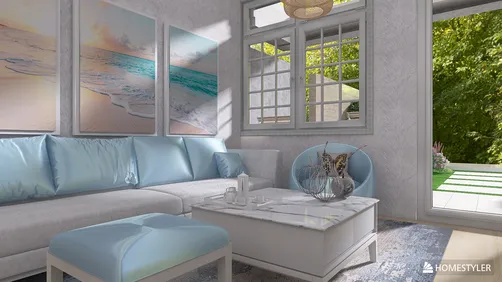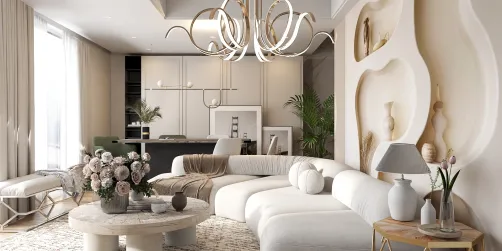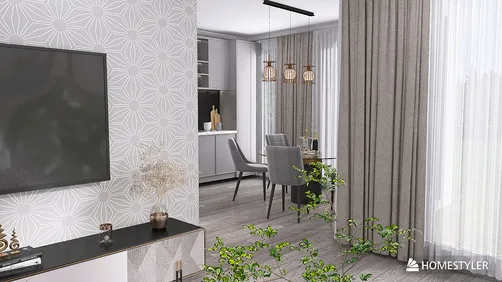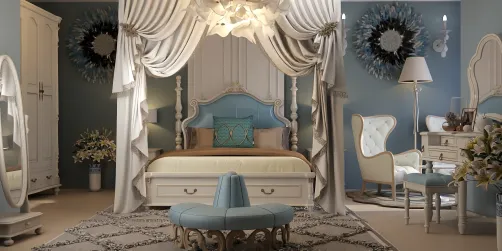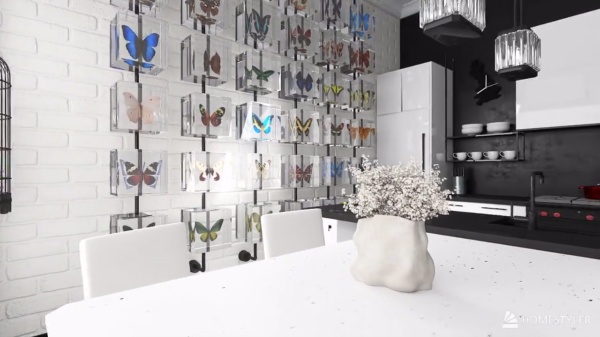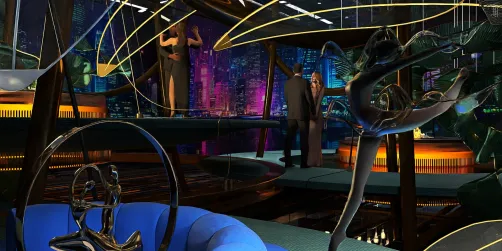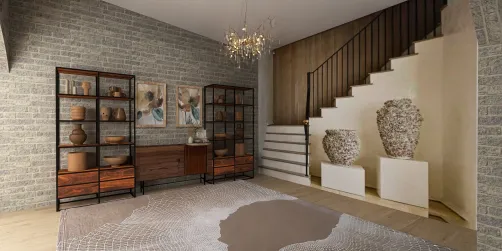
Homestyler is an essential tool for 3D artists, particularly in the realms of modeling, texturing, and rendering. If you're embarking on your journey in 3D design, grasping the fundamentals of these three core components is vital for crafting stunning visualizations. In this session, we will delve into how to model objects efficiently, apply textures, and render scenes using Homestyler, ensuring you acquire the foundational skills necessary to elevate your designs.
Understanding Basic Modeling Techniques
The initial step in creating a 3D object is to master essential modeling techniques. In this section, we will discuss:
Polygon modeling is one of the most prevalent techniques utilized in Homestyler. This method allows for precise manipulation of your model's shape and form. Start with simple geometries and gradually progress to intricate structures.
Spline modeling is particularly advantageous for crafting smooth and organic shapes. This technique involves utilizing curves to define the outline of your objects, which can then be transformed into three-dimensional forms.
Modifiers serve as powerful assets in Homestyler that enable you to adjust an object's geometry without making permanent alterations. Commonly used modifiers include Bend, Twist, and Turbosmooth, which can help to enhance detail and complexity in your models.
Applying Textures and Materials
Once your model is finalized, the next step is to incorporate textures and materials. This will give your 3D objects a more realistic look.
The Material Editor in Homestyler allows you to create and tailor materials for your models. Familiarize yourself with this tool to apply diverse attributes such as color, reflection, and transparency.
UV mapping involves projecting a 2D image onto a 3D model. Knowing how to effectively unwrap your model's UVs will ensure that your textures appear appealing on your objects.
For more tailored results, texture painting enables you to apply paint directly onto your model. This method can help you achieve unique aesthetics and intricate details that conventional texturing may not deliver.
Rendering Your Scene
Ultimately, rendering involves generating a 2D image from your 3D scene. Let’s examine some critical concepts:
Learn to adjust the render settings, including resolution, output format, and quality. Proper configuration will greatly affect the final output of your project.
Effective lighting is crucial during rendering. Discover various lighting techniques such as three-point lighting and global illumination to establish mood and depth in your scenes.
After rendering, you might wish to improve your image using post-processing techniques with software like Photoshop. This can encompass color correction, applying effects, and fine-tuning details.
Conclusion
By mastering these foundational modeling, texturing, and rendering techniques in Homestyler, you'll be well on your way to producing impressive 3D designs. Practice these skills regularly, and feel free to explore advanced methods as you gain confidence with the software.
FAQ
Q: What are the system requirements for running Homestyler?
A: Homestyler is accessible online and operates on most modern browsers, making it convenient for users without the need for intense system specifications.
Q: Is Homestyler suitable for game design?
A: Absolutely, Homestyler is widely utilized in designing environments and assets for games, harmonizing well with various game engines for streamlined workflows.
Welcome to the premier Home Design Software, Homestyler.