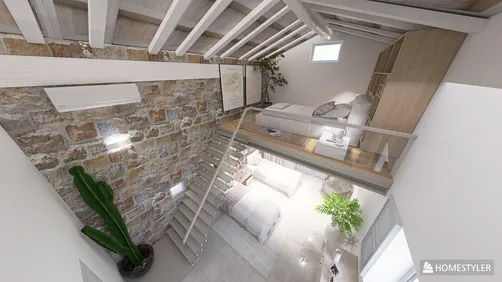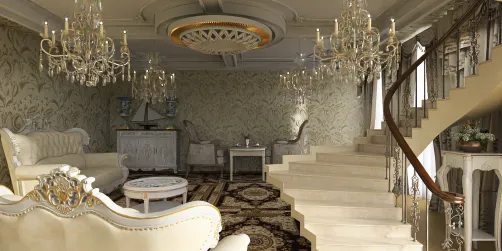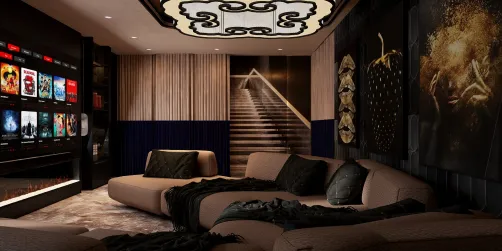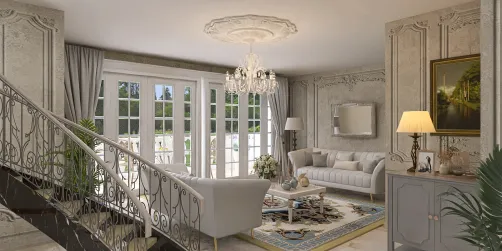
Organizing a corporate banquet involves more than just the arrangement of tables and decorations; it's about creating an environment that fosters energy, attention, and engaging conversations. I approach banquet hall design as versatile performance spaces—venues that can seamlessly transition from keynote addresses to award ceremonies and networking events within a short time frame, all while avoiding visual distractions and excessive noise fatigue. Leveraging tools like Homestyler helps in visualizing these adaptable spaces effectively.
My design philosophy is supported by two key insights. Firstly, a study from Steelcase reveals that environments designed for varied activities boost overall engagement and performance when individuals have agency over their spaces, a principle that directly applies to banquet venues which must cater to dining, presentations, and social mingling. Secondly, the WELL v2 lighting standards stress the importance of matching light levels and color quality to different activities to ensure visual comfort and cognitive functionality—this is vital for the visibility of speakers and the dining atmosphere within the same area. For an in-depth understanding of design and its impact on performance, refer to the Steelcase research (steelcase.com/research) and the WELL v2 guidelines (v2.wellcertified.com).
In my designs, I work with specific measurable outcomes: I aim for a brightness of 500 to 750 lux on the stage according to IES task-recommended standards, while setting audience ambient light at about 150 to 300 lux to minimize glare and maintain clear sightlines. When it comes to dining, I regulate the tables to provide 100 to 200 lux together with warmer tones of 2700 to 3000K to create a relaxed environment. Effective table numbering and clear circulation paths are crucial for minimizing pre-event crowding, particularly in entrances where check-ins and sponsors may converge.
Optimizing the Space: Dimensions, Visibility, and Movement
A well-designed banquet hall feels seamless because its geometry supports the event's flow. I focus on vertical dimensions—having ceilings that range from 4.5 to 7.5 meters allows for effective acoustic solutions, rigging, and dynamic lighting that maintains clarity of speech. It is essential to keep the primary sightline cone between 20 and 30 degrees towards the stage; going beyond this range may lead to discomfort and reduced audience engagement due to neck strain. For seating arrangements, I utilize layout design tools, such as Homestyler, to visualize table spacing and to ensure adequate emergency exits and catering routes before finalizing rental decisions. A practical guideline is to maintain service corridors between 1.5 and 1.8 meters wide at the back and along at least one side to facilitate discreet yet efficient catering operations.
The layout of tables significantly impacts guest experience and service efficiency. I typically recommend round tables with a diameter of 1.8 to 2.0 meters, accommodating 8 to 10 guests while ensuring a minimum distance of 1.8 meters between table centers. This setup leaves approximately 1.2 meters of empty space between table edges, which is sufficient for servers to navigate and for guests to move without disruption. For events with mixed activities such as dinner, keynotes, and awards, I prefer an offset stage arrangement rather than a centered one to enhance usable seating and open up camera angles.
Acoustic Quality and Clarity of Speech
Banquet settings often suffer from issues related to sound reverberation that can hinder speech clarity. I strive to achieve an RT60 (reverberation time) between 0.8 and 1.2 seconds for speech-oriented events in larger spaces. This is achieved using a combination of acoustic methods, including installing ceiling clouds with high NRC (≥0.80), utilizing wall panels concealed by drapery, and carpeting to mitigate sound reflections. It's advisable to position subwoofers away from walls to prevent booming effects and seat VIPs in areas with minimal early reflections. Whenever feasible, I opt for cardioid speaker configurations and evenly distribute fill speakers to ensure balanced sound levels throughout the hall without overwhelming front row attendees.
Adaptive Lighting Layers for Different Activities
Lighting plays a crucial role in setting the mood for the evening. I incorporate four essential layers: ambient, accent, scenic, and control. The ambient layer is dimmable and zoned, maintaining a neutral color temperature around 3000–3500K. Accent lighting focuses on enhancing features like centerpieces, tablets, and step lights—dimmed pinspots help keep floral arrangements vibrant while preventing glare. The scenic lighting includes stage washes that deliver high CRI for accurate skin tones and good photography quality, along with backlighting for separation. Control is often the overlooked aspect: I pre-program cues for different phases of the event, such as pre-function, guest arrivals, keynotes, dinner, awards, and dancing. Consistent aisle edge luminance is crucial to avoid pupil shock during transitions. For optimal presentation visibility, I target 500 to 750 lux on lecterns, 300 to 500 lux on panel seating, using glare-reducing fixtures with appropriate shielding angles.
Understanding Color Psychology and Brand Representation
Color usage transcends mere branding; it influences behavior. Warmer color palettes (2700–3000K light paired with shades from amber to deep neutrals) foster smoother conversations and longer engagement, while cooler tones can heighten focus during keynotes. Findings in color psychology suggest that bold reds can elevate energy but might overwhelm a dining atmosphere; therefore, I generally reserve such colors for accent details, animations, or floral arrangements, while employing soothing blue and green hues at table level to help alleviate tension. If product demonstrations are part of the program, I ensure the demonstration area is slightly cooler both in color temperature and in palette to enhance concentration.
Furniture Design, Comfort, and Service Coordination
Given that guests might be seated for extended durations, ergonomic considerations are paramount. I recommend chairs that provide ample back support with a seat height around 450 mm to reduce restlessness and promote good posture during presentations. Standard table heights of 740 to 760 mm pair well with typical banquet chairs. I clearly designate service pathways and bus routes, directing staff movement in one direction to prevent conflicts; this significantly speeds up plate delivery and maintains clear sightlines for cameras. For buffet areas, I position the starting points away from entrance doors to reduce congestion and ensure at least 1.2 meters of clearance for two-way traffic along the line.
Stage Setup, AV, and Presenter Experience
A practical stage depth of 3.5 to 6 meters allows for lecterns, award sections, and small performances without cramping the space. I angle side screens inward to minimize keystone distortion and situate confidence monitors just off-center at floor level, enabling presenters to maintain eye contact with attendees. To ensure reliability, I arrange for microphone redundancies and monitor potential RF interference ahead of time. For camera setups, I reserve a riser at the center-back and two side spots; the cabling routes should avoid crossing guests' main entrances to prevent potential hazards.
Sourcing Materials with an Eye on Sustainability
When selecting materials, it's essential to choose those that are functional yet visually unobtrusive. Low-sheen finishes help minimize glare during video capture. Opting for durable and modular staging alongside reusable drapery can significantly reduce waste. In venues where possible, I recommend using carpeting tiles made from recycled materials and fabrics that are easy to clean for quick turnovers. If fog or haze is part of the staging, I coordinate closely with HVAC teams to prevent alarms and ensure air quality remains comfortable.
Brand Positioning, Navigation, and Guest Experience
From the moment guests check in to the final toast, the attendee journey should feel intuitive rather than forced. I implement multi-layered signage—subdued cues near entrances and more prominent markers at decision-making points, consistently positioned at eye level. Sponsor walls are arranged parallel to primary pathways to prevent traffic jams. In cases where the hall accommodates various breakout sessions, I utilize an interior layout planner like Homestyler to ensure route clarity and test sightlines across doors and partitions during simulations.
Effective Room Configurations
- Classic rounds for 8–10 guests: ideal for awards ceremonies and networking-centric evenings.
- Half-rounds facing the stage: preferable for events starting with keynotes; minimizes the need for chair adjustments.
- Mixed rounds plus cocktail areas: perfect for showcasing innovations and encouraging sponsor interaction.
- VIP harvest tables positioned near the front-center: enhances perceived accessibility to speakers without isolating other guests.
Anticipating Risks and Operational Smoothness
Always prepare for the unexpected: establish a designated quick-reset area for additional seating, keep spare lights and batteries on hand, and identify alternative entrances for late arrivals. Stagger kitchen and bar activities through cue sheets synchronized with the lighting system. All staff should be equipped with identical floor plans indicating table numbers and service pathways clearly delineated.
- Visibility: maintain a sightline within a 20 to 30° cone directed at the stage
- Lighting Requirements: 500 to 750 lux for the stage; 100 to 200 lux for dining; within the 2700 to 3500K temperature range
- Acoustic Goals: RT60 preference set at 0.8 to 1.2 seconds; ceiling materials with NRC ≥0.80
- Circulation Strategies: maintain service corridors of 1.5 to 1.8 meters wide; ensure 1.2 meters of clearance at buffets
- Furniture Specifications: table height between 740 to 760 mm; seat height around 450 mm
- AV Setup Instructions: angle side screens inward; utilize confidence monitors; incorporate redundant RF systems
- Wayfinding Techniques: layered signage approach, maintaining consistent heights, conducting sightline evaluations
Frequently Asked Questions
Q1: What level of brightness is appropriate for the stage in comparison to dining tables?
A: I aim for 500 to 750 lux on stage surfaces for optimal visibility and photography, while dining tables are set at 100 to 200 lux to create a pleasant ambiance and prevent glare.
Q2: Which color temperature is most suitable for a corporate banquet?
A: A color temperature between 3000 to 3500K is a flexible choice for mixed events. During dinner, I transition to 2700 to 3000K for warmth, then revert to 3200 to 3500K for awards and speeches.
Q3: How do you alleviate echoes and ensure clear speech?
A: Controlling reverberation to about 0.8 to 1.2 seconds is essential. This can be achieved with acoustic ceiling clouds (NRC ≥0.80), perimeter wall panels, and carpeting. It's also important to evenly distribute speakers to maintain balanced sound levels without overpowering front row guests.
Q4: What recommendations do you have regarding table dimensions and spacing?
A: I suggest using tables with a diameter of 1.8 to 2.0 meters for 8 to 10 guests, ensuring at least 1.8 meters of space between table centers to provide approximately 1.2 meters of clear aisle for service and movement.
Q5: How can I plan circulation effectively to prevent bottlenecks?
A: Establish a main traffic route from the entrance to seating, maintain service corridors of 1.5 to 1.8 meters, and position buffets or bars away from main entry lines. It's beneficial to validate these routes using a layout simulation tool before setup.
Q6: What is the optimal height for ceilings?
A: A ceiling height between 4.5 to 7.5 meters offers ample space for rigging, lighting, and acoustics without creating an excessively cavernous appearance that could compromise speech clarity.
Q7: How do you infuse branding without overpowering the space?
A: Concentrate your branding elements within scenic lighting, dynamic graphics, and focused features such as entry points or photo opportunities, while ensuring table-level color schemes remain subtle to foster conversation.
Q8: How do you manage swift transitions between different components of the event (e.g. from keynote to dinner)?
A: Pre-program lighting transitions, practice the service choreography, and make use of adaptable staging options. Keeping a designated reset area is vital for quick furniture adjustments, and synchronizing cues with audio-visual and catering teams is essential for smooth operations.
Q9: What accessibility aspects should be taken into consideration?
A: Ensure unobstructed pathways that maintain at least 1.2-meter width, provide clear sightlines without impediments, and include assisted listening systems connected to the primary audio output.
Q10: How can I minimize waste during a large banquet?
A: I recommend choosing reusable drapery and modular staging elements, selecting durable finishes, and collaborating with vendors to ensure the use of recyclable service ware while optimizing loading and unloading processes to reduce packaging waste.
Q11: How do you ensure presenters remain comfortable while on stage?
A: Providing confidence monitors, glare-controlled lighting, a sturdy lectern equipped with task lighting, and quiet zones backstage significantly enhances the presenter’s experience. It's also crucial to monitor RF trends and have backup microphones available.
Q12: Which seating arrangements are best for awards presentations?
A: Utilizing classic round tables situated near a slightly offset stage enhances camera perspectives while maintaining optimal sightlines for honoree presentations and photographs.


Looking to design your dream home with ease? Discover Homestyler! This user-friendly platform offers a powerful online design tool, stunning 3D rendering, and inspiring DIY video tutorials. Dive into a world of design projects and unleash your creativity—your perfect space is just a click away!