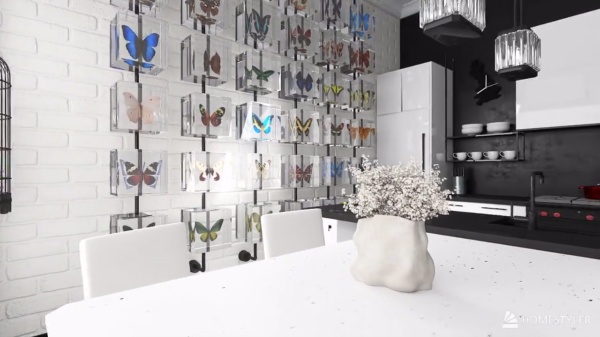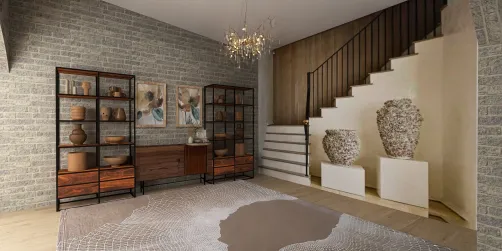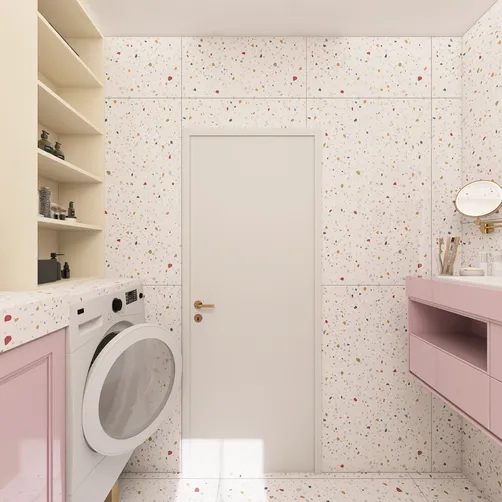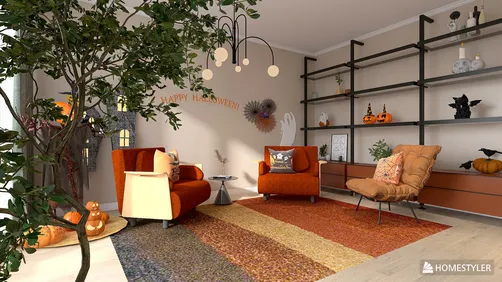
Clay rendering is a crucial technique in the realm of interior design, particularly when it comes to assessing models for accuracy and visual appeal. This approach enables designers to focus on the shapes and forms of their creations without the interference of colors or textures. It serves as a practical means to hone your ideas before settling on a final color scheme and material selection. In this article, we will delve into the essential elements of clay rendering that can significantly improve your model verification process while integrating the capabilities of Homestyler.
Understanding Clay Rendering
Clay rendering entails layering a neutral, clay-like substance over a 3D model, allowing for a more abstract visualization of its form. Here are some advantages:
Preparing Your Model for Clay Rendering
Before you commence clay rendering, make sure your model is adequately prepared. Follow these steps:
Creating the Clay Render
With your model ready, it's time to apply the clay render. Here’s a concise guide:
Reviewing the Clay Render
Once the clay has been applied, take a moment to assess the complete design. Consider the following:
Final Thoughts
Clay rendering stands out as a potent technique in the model evaluation process, providing a clear view of your design's form. By incorporating these suggestions into your workflow using Homestyler, you can elevate your designs and ensure they genuinely reflect your creative vision.
FAQ
Q: What materials are most effective for clay rendering?
A: Ideal materials for clay rendering include those that are easily malleable and can be removed without trouble, such as modeling clays or plaster.
Q: What can I do to enhance my clay rendering skills?
A: Consistent practice is essential! Experiment with various tools and techniques, and seek constructive feedback from colleagues to sharpen your abilities.
Welcome to use Homestyler, your go-to home design software.