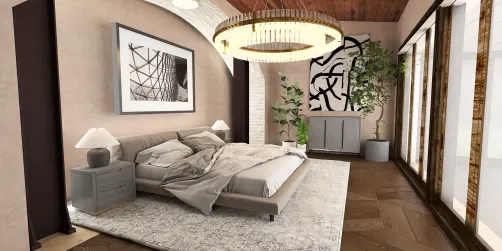
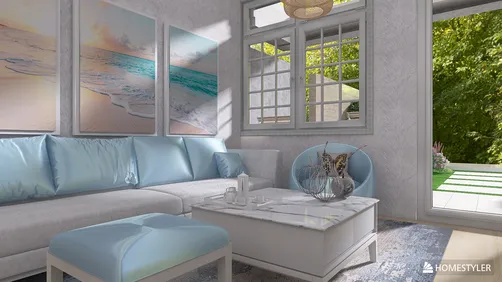
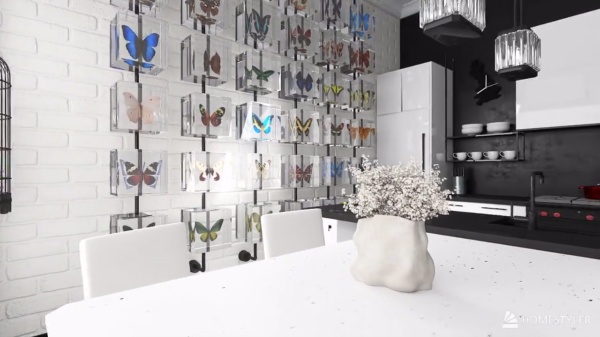
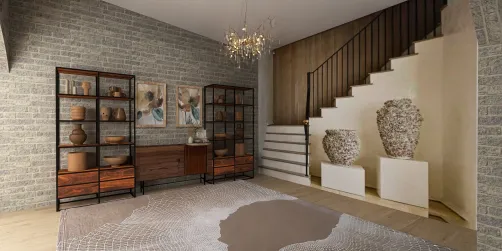
Creating impressive architectural renderings requires more than simply generating high-quality 3D models in applications such as 3ds Max. By compositing these renders in Photoshop, you can dramatically improve their overall visual appeal. This guide provides a comprehensive walkthrough on how to effectively blend your 3D architectural renders using both Photoshop and 3ds Max, along with tools like Homestyler for enhanced design options.
Grasping the Fundamentals of Compositing
Before you delve into the details, it is crucial to comprehend the concept of compositing. It refers to the method of amalgamating multiple visual components from differing origins into a single cohesive image. In the realm of architectural rendering, this frequently entails layering your 3D render with textures, backdrops, and various effects in Photoshop to craft a more lifelike and captivating final image.
Exporting Your Render from 3ds Max
To initiate the compositing journey, you first need to export your 3D render from 3ds Max. Here are several tips to guarantee a streamlined export process:
Importing Your Render into Photoshop
After successfully exporting your render, the subsequent step is to bring it into Photoshop. Here’s a straightforward approach to do so:
Enhancing Your Render with Techniques in Photoshop
Now that your render resides in Photoshop, various techniques can be applied to uplift its quality:
Utilize adjustment layers like Brightness/Contrast and Hue/Saturation to refine the color balance and brightness throughout the image.
Integrate textures like grass, wood, or concrete as overlays to augment the realism of your render. Employ blending modes for a seamless integration of these textures.
Apply lighting effects to enrich depth and visual interest. You can utilize Photoshop’s Layer Styles and Gradient Maps to achieve the aesthetic you’re aiming for.
Incorporate a fitting background that harmonizes with your architectural render. Whether it be a sky, landscape, or an urban skyline, it should complement your design.
Be sure to add shadows and reflections to bolster realism. Achieve this by duplicating layers, applying Gaussian Blur, and adjusting the opacity as needed.
Saving and Exporting Your Final Composite
Upon reaching a satisfactory final composite, it’s time to save and export your completed image:
Pro Tips for Successful Compositing
Consider these additional tips to ensure your architectural renderings make a remarkable impression:
FAQ
Q: What format is recommended for exporting my render from 3ds Max? A: PNG and TIFF formats are optimal for preserving quality during the export stage.
Q: Is it permissible to incorporate stock images into my composition? A: Absolutely, stock images can enhance your render; just ensure they align well with your overall composition.
Q: How can I refine my compositing skills? A: Regular practice, following tutorials, and soliciting feedback from peers in the industry can significantly improve your skills.
Embrace Homestyler as your go-to home design software to streamline your design process and elevate your projects to new heights!