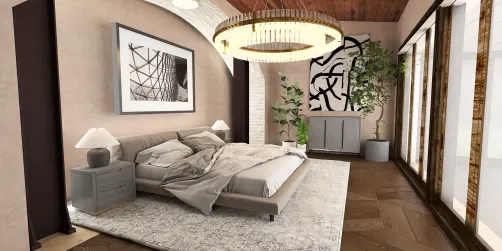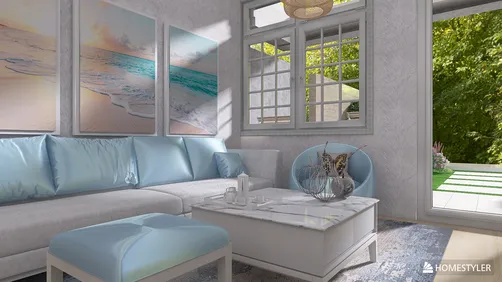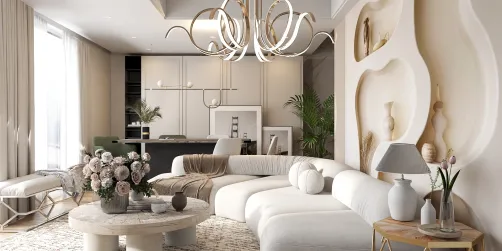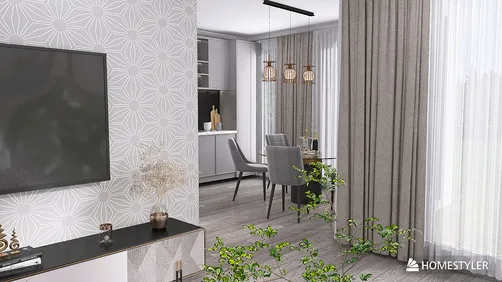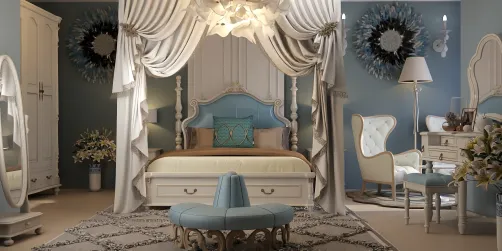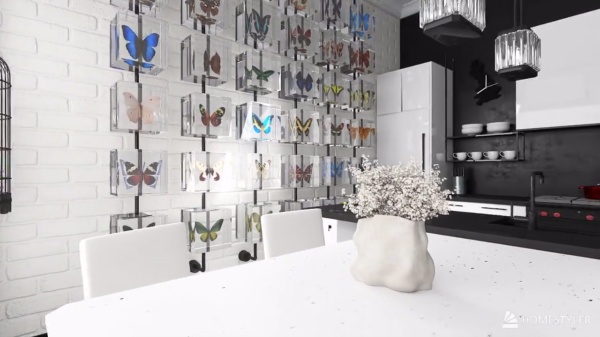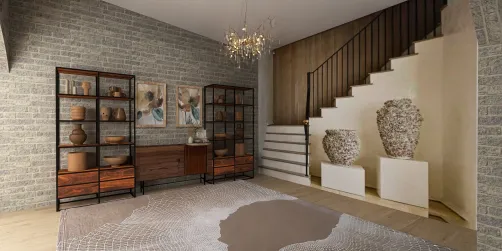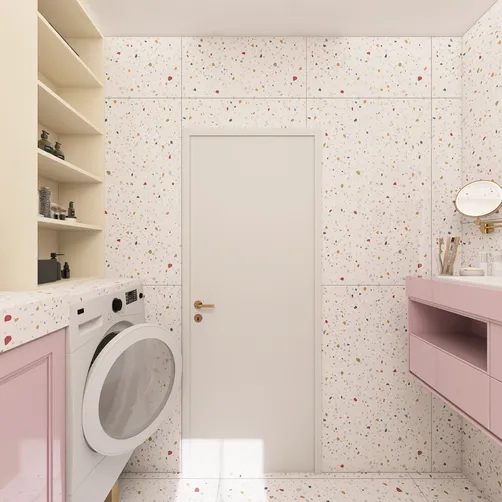
I once adorned a 6‑foot wide dining nook with an eye-catching pendant fixture since the client wanted their chandelier to "make a statement." It certainly did — capturing the attention of neighbors — but it cast shadows over half of the table until I mastered the art of balancing scale with functionality. Now, I guide clients to visualize their layout in 3D using tools like Homestyler before selecting their lighting, as this approach saves both time and money, while preserving my sanity.
In small spaces, clever design is crucial. Lighting emerges as the key player, shaping the ambiance, layering illumination, and influencing the perception of size. Here, I present five essential fixtures and practical advice derived from my experiences in various projects — encompassing both triumphs and minor challenges encountered along the way.
1. Single pendant, oversized shade
I have a fondness for positioning a single large pendant above a narrow dining table — the result is a bold yet uncluttered aesthetic. The clear advantage lies in focused illumination and minimal ceiling installations; however, scale is vital: if the shade is too large, it overpowers a small room, while a petite one can easily get lost.
Practical tip: select a shade that measures between half to two-thirds of the table's width, utilize a dimmer switch, and hang it at 30–36 inches above the surface for visually appealing proportions.
save pin
2. Clustered mini pendants
Clusters introduce a sculptural element and enable directed light placement where needed. In one project, I installed three compact pendants over a bench table, avoiding a bulky centerpiece, which resulted in a feeling of openness and modernity. The challenge lies in the wiring and height adjustments, but using adjustable cords and a simple canopy makes installation user-friendly.
Budget note: opt for LED bulbs with a warm color temperature (2700K–3000K) to ensure a cozy dining atmosphere without significantly increasing costs.
save pin
3. Linear LED over a narrow table
For rectangular tables or banquettes, a slender linear fixture can provide even lighting without cluttering the visual field. It's efficient and perfect for tasks during family dinners or homework sessions. However, some linear fixtures might appear too utilitarian — selecting one with a warm diffuser can help soften its look.
If you're crafting a cozy dining nook, this style typically pairs well with a highly reflective tabletop or light-colored paint to enhance perceived brightness.
save pin
4. Wall sconces and layered ambient light
When ceiling height is restricted, sconces can emerge as champions. In smaller spaces, I've transformed intimate dining areas by combining an overhead pendant with wall sconces flanking it. This offers layered control of light and reduces reliance on a single source; the minor drawback lies in coordinating switches and wiring to match your desired lighting zones.
Pro tip: connect sconces to a separate dimmer circuit, allowing you to adjust mood lighting without adjusting the pendant.
save pin
5. Track or rail lighting with adjustable heads
Track lighting offers flexibility: direct several heads towards the table, artwork, and corners to distribute light effectively. I recommend low-glare LED heads and a combination of narrow and wide beam spreads for versatility. Potential downsides include visibility of fixtures and an industrial feel, which can be softened with matte finishes and coordinated trim options.
For open kitchen spaces or when seeking to enhance flow between dining and cooking areas, track systems allow for instant adaptation as layouts or functions change.
save pin
FAQ
Q1: What height should a pendant hang over a dining table?
I suggest positioning it 30–36 inches above the tabletop for standard 8–9 foot ceilings. This maintains clear sightlines while allowing the fixture to contribute as a visual focal point.
Q2: What color temperature is optimal for dining rooms?
Warm white (2700K–3000K) is preferred as it fosters a cozy and inviting atmosphere. Cooler temperatures might feel harsh and are better suited for task areas rather than dining settings.
Q3: How many lumens are necessary for a compact dining room?
A general guideline is around 300–500 lumens per square meter for comfortable dining illumination; it’s best to mix ambient and task lighting rather than relying solely on a high-output fixture.
Q4: Is it feasible to use a chandelier in a small dining room?
Absolutely — select low-profile or slimline chandeliers that match the size of your table. A chandelier can serve as a centerpiece, but it’s important to balance it with sufficient wall or recessed lighting to prevent the area from appearing uneven.
Q5: Are dimmers necessary?
Definitely. Dimmers provide the ability to transition from bright meal preparation to soft evening lighting, enhancing the versatility of a single fixture. Ensure that most LED drivers are dimmer-compatible by checking specifications prior to purchase.
Q6: How can I prevent glare in a compact dining area?
Incorporate diffusers, use indirect lighting (like wall grazing), and select bulbs designed to minimize glare. Position fixtures so the light source remains out of patrons' direct sightlines, as eye comfort is vital in confined spaces.
Q7: What finishes work best for fixtures in small spaces?
Matte or satin finishes in warm metals and soft whites reflect light gently without causing visual congestion. Highly reflective chrome can feel overwhelming in smaller rooms unless utilized sparingly.
Q8: Where can I access lighting design standards?
For authoritative references on recommended illuminance and design practices, consider consulting the Illuminating Engineering Society (IES) publications and standards (https://www.ies.org/). These documents offer precise metrics and professional guidance I frequently refer to in larger projects.
save pin
Discover the ease of home design with Homestyler! This user-friendly platform offers a powerful online design tool, stunning 3D renderings, and a wealth of inspiring design projects and video tutorials. Transform your space effortlessly, whether you're a beginner or a seasoned pro!