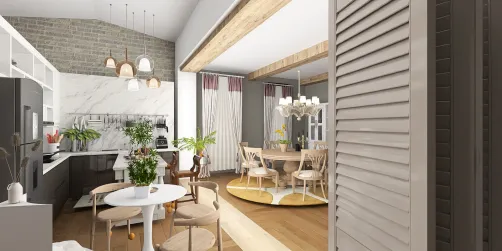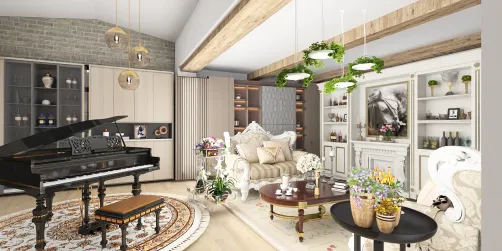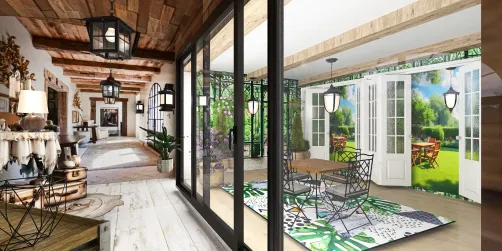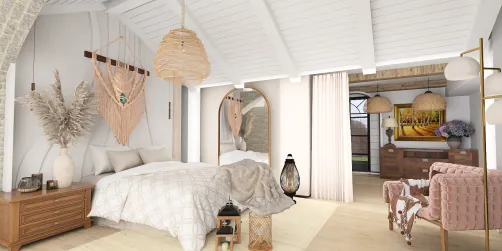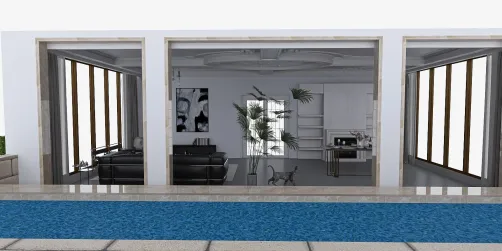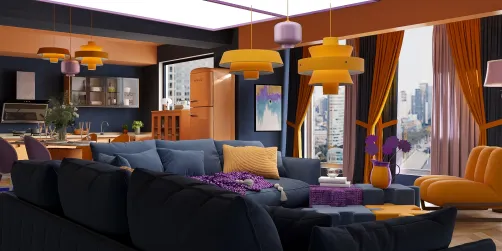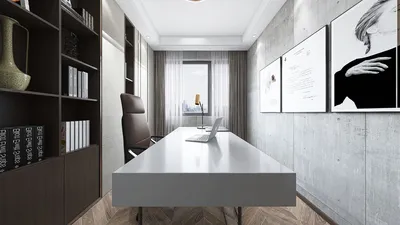
When designing for compact areas, integrated cabinets can significantly transform the environment. They provide a stylish and functional means to incorporate storage solutions seamlessly. This article will delve into various types of integrated cabinets that not only improve your surroundings but also enhance storage capabilities, ensuring that even the tiniest spaces can be aesthetically pleasing and useful.
Integrated Cabinets for Optimal Storage
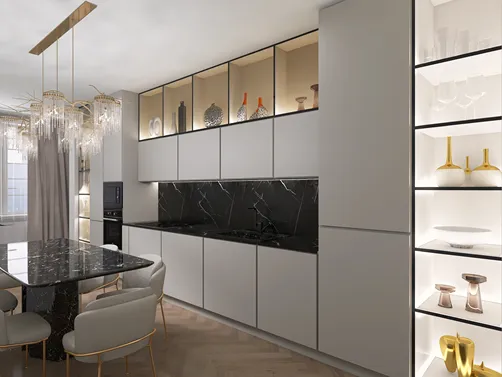
Integrated cabinets represent a clever strategy for optimizing storage in smaller residences or apartments. These can be tailored specifically for your space, making them a perfect option for those who prioritize both efficiency and visual appeal. With a variety of styles available, including floor-to-ceiling designs and floating units, choices abound to elevate your living area.
Utilizing vertical space effectively is best achieved through floor-to-ceiling cabinets. These options not only offer generous storage but also draw attention upward, creating the illusion of increased ceiling height. Consider the advantages of such cabinets:
When selecting materials for your floor-to-ceiling cabinets, it's important to choose those that blend style with resilience. Some popular choices include:
Another creative answer for maintaining an airy atmosphere in limited spaces is floating cabinets. By suspending the cabinets above the ground, you can foster a feeling of openness and brightness. Here are some benefits:
Strategic positioning is crucial for floating cabinets. Here are a few placement tips to consider:
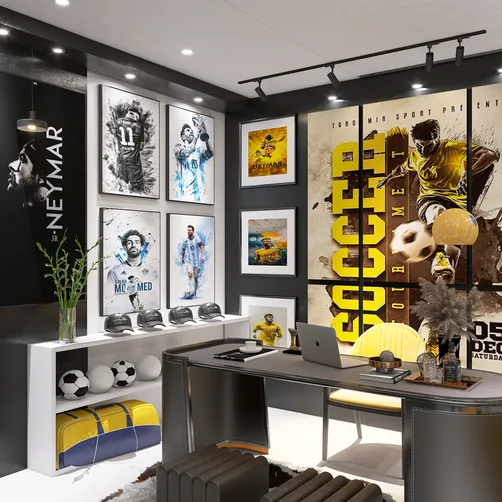
For individuals who work from home or require a specific office area, concealed desk cabinets are a brilliant addition. These can convert a space into an efficient workspace while retaining a fashionable appearance. Here are the advantages and disadvantages:
Versatile integrated cabinets can serve multiple purposes, such as combining storage with a desk or seating areas. While maximizing functionality, they do come with certain challenges: