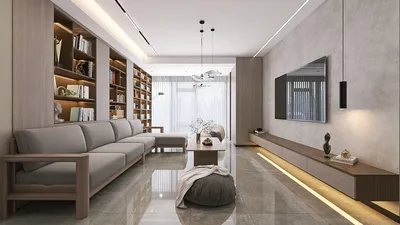


Recently, I have observed a surge in the popularity of wood ceiling designs for living rooms. My extensive experience with numerous small to mid-sized spaces has shown me that compact areas can actually encourage more innovative design solutions. In this article, I’m excited to present 10 inspiring wood ceiling ideas tailored for living rooms, all derived from my professional insights and expert recommendations.
1. Rustic Exposed Beams
Insight: In one charming mountain cabin design, we opted to showcase antique beams. This decision immediately infused the space with warmth and character, creating an inviting atmosphere while maintaining an open feel.
Advantages: They serve as a striking visual centerpiece and add a touch of natural texture, complementing both industrial and farmhouse aesthetics.
Disadvantages: Low ceilings may appear even lower; requires consistent upkeep to keep dust at bay.
Pro Tip: For limited spaces, pairing exposed beams with lighter wall tones helps to achieve a balanced visual perception.
2. Sleek Tongue-and-Groove Panels
Insight: I incorporated white-painted tongue-and-groove pine in a trendy downtown apartment, resulting in a fresh yet timeless living area.
Advantages: The clean lines create a sense of elongation; it’s simple to repaint or stain, and it seamlessly conceals seams for a cohesive finish.
Disadvantages: Installing these requires careful alignment; inadequate sealing may cause warping, particularly in humid climates.
Discover how simplified wood ceiling styles can enhance tiny apartments—look into Homestyler for ideas.
3. Coffered Ceilings with Wood Inlays
Insight: A walnut veneer coffered ceiling revitalized a mundane suburban living room, transforming it into an elegant retreat for my client.
Advantages: This style enhances depth and sophistication; it also increases the perceived value of the property and pairs well with contemporary lighting.
Disadvantages: Higher material and labor costs may be involved; it suits rooms with more generous ceiling heights.
4. Reclaimed Wood Planks
Insight: Utilizing reclaimed barn wood for a ceiling renovation was rewarding—the history within each plank resonated with clients who appreciated eco-conscious design.
Advantages: This sustainable option offers unique textures and hues, making it ideal for rustic or eclectic settings.
Disadvantages: If inadequately treated, it could attract pests; uneven planks can complicate installation.
5. Dark-Stained Timber for Drama
Insight: In a loft renovation, we stained cedar beams a rich espresso hue, creating an intimate and cinematic ambiance in the living room.
Advantages: Dark wood adds depth and mood; it pairs beautifully with bold accents and disguises minor wood imperfections.
Disadvantages: Dark tones may make smaller areas feel cramped; they might not align well with all furniture styles.
6. Wood Slat Ceilings with Integrated Lighting
Insight: One of my favorite modern installations featured a wood slat ceiling with hidden LED strips nestled between the slats—functional yet visually striking.
Advantages: This design enhances acoustics, provides ambient lighting, and offers a contemporary style without sacrificing warmth.
Disadvantages: Maintenance of lighting can be challenging; cleaning the dust that accumulates between slats can be labor-intensive.
Explore how linear wood elements combined with lighting can create a harmonious flow in open-space designs, inspired by ideas from Homestyler.
7. Chevron-Patterned Wood Panels
Insight: In a cozy living room, I implemented a chevron pattern in cedar to evoke a sense of movement across the ceiling.
Advantages: This design introduces visual excitement; it fits both traditional and modern interiors, guiding the eye along its direction.
Disadvantages: Precision cutting is essential; a more complex pattern may overwhelm simpler spaces.
8. Painted Wood Ceilings
Insight: In a coastal home remodel, painting the wood ceiling soft blue complemented the seaside vibe perfectly.
Advantages: This technique revitalizes aged wood, offers a range of colors, and serves as an affordable enhancement.
Disadvantages: Painting may obscure the natural grain; regular touch-ups are needed in humid environments.
9. Mixed Material Ceilings
Insight: Blending wood with plaster in one client's loft created a balance between contemporary and rustic styles.
Advantages: It adds distinctive layers, prioritizing highlighted areas without the need for additional walls, and allows for an eclectic mix of styles.
Disadvantages: Careful planning is crucial; mismatched textures can seem accidental.
Find inspiration from designs where wood mixed with other materials elevates living rooms—also available in our Homestyler gallery.
10. Curved Wood Ceilings
Insight: By bending thin plywood sheets, we realized a gentle arch that imparted a soft, inviting energy throughout the room.
Advantages: This approach introduces architectural interest, enhances acoustics, and alleviates the flat, monotonous feel of standard ceilings.
Disadvantages: Requires specialized craftsmanship; costs can be higher than conventional options.
Summary
Designing a living room, whether small or average in size, should not feel limiting. Instead, it’s an opportunity to optimize creativity. Opting for styles ranging from rustic beams to modern slats will ensure texture, light, and color play harmoniously together. Experts from Architectural Digest affirm that ceiling treatments hold equal importance to wall and floor designs. Which of these wood ceiling ideas are you excited to implement in your space?
FAQ
1. What wood ceiling ideas are ideal for living rooms?
Trends for 2024 include rustic beams, tongue-and-groove panels, and wood slats, each delivering both warmth and texture.
2. Will a wood ceiling make my living room appear smaller?
While darker woods or heavier designs may do so, lighter stains or slender planks can enhance the sense of openness.
3. What is the cost associated with wood ceilings?
Costs typically range from $10 to $30 per square foot, depending on materials and labor, according to estimates from HomeAdvisor.
4. Can I put a wood ceiling in a compact living room?
Certainly! Especially lighter tones or vertical slat designs can create an impression of height.
5. Which types of wood are most suitable for ceilings?
Cedar, pine, and oak are favored for their durability and attractive grain. Always opt for kiln-dried wood to prevent warping.
6. How should I maintain a wood ceiling?
Regular dusting, pest checks, and periodic refinishing based on exposure will keep your ceiling in excellent condition.
7. Are wood ceilings environmentally sustainable?
Using reclaimed wood is a sustainable choice that helps decrease the demand for newly harvested timber.
8. Is it feasible to combine wood ceilings with other materials?
Absolutely! Designers frequently merge wood with plaster, glass, or metals to create a harmonious aesthetic. Explore examples in our mixed-ceiling design portfolio in Homestyler.
Homestyler is your go-to online home design platform! With its user-friendly design tool, stunning 3D renderings, and a wealth of DIY video tutorials, you can effortlessly create and visualize your dream spaces. Transform your home design experience today!
Diseño ahora GRATIS
































