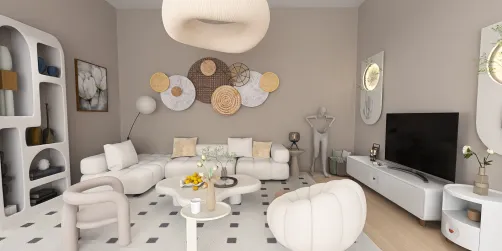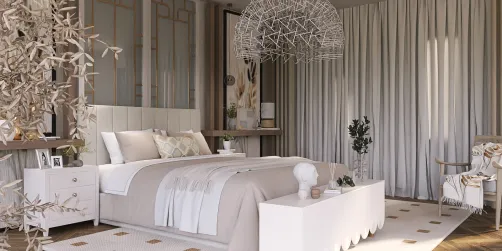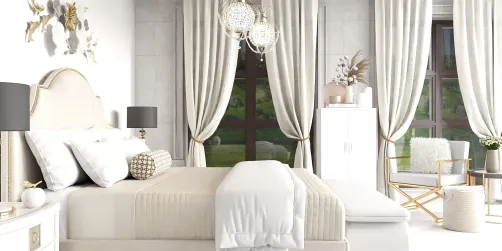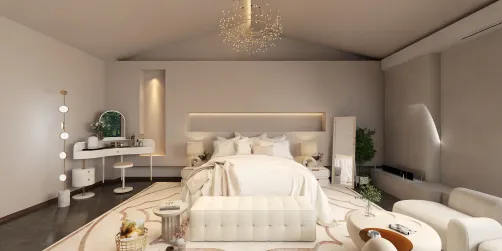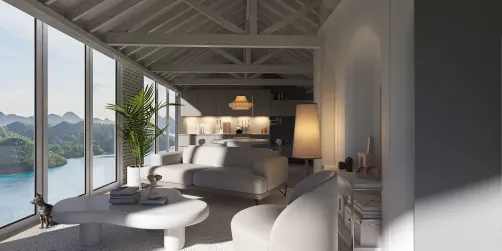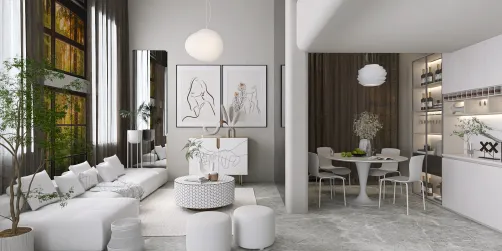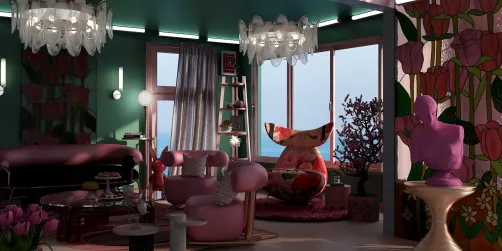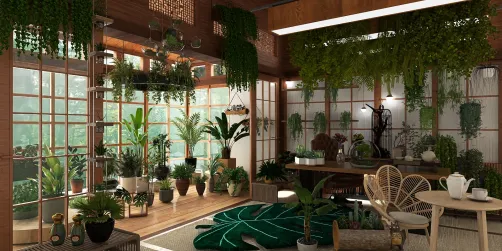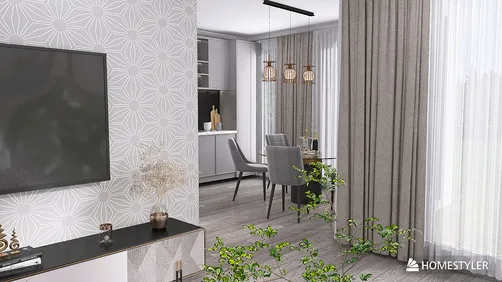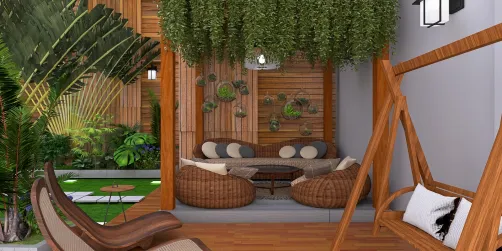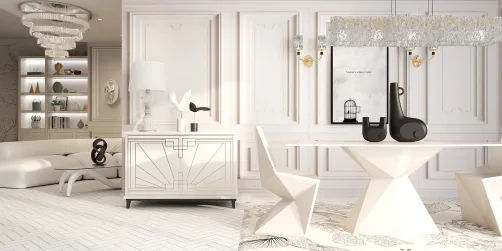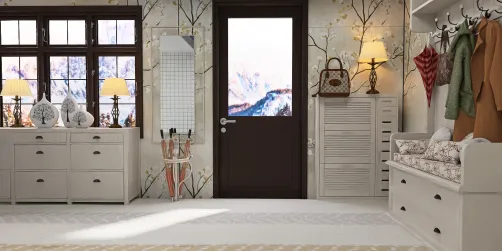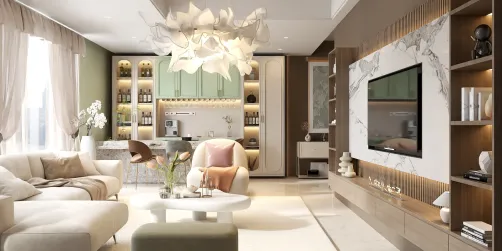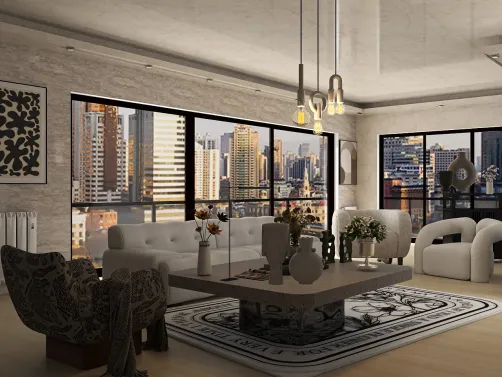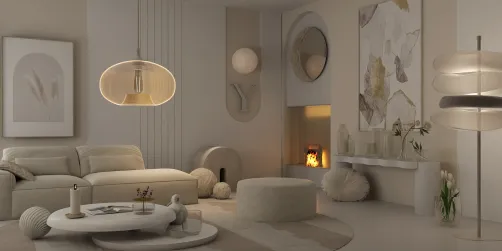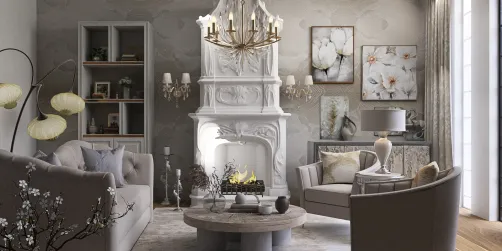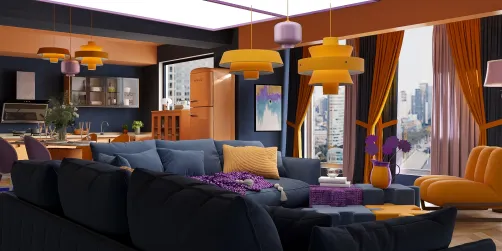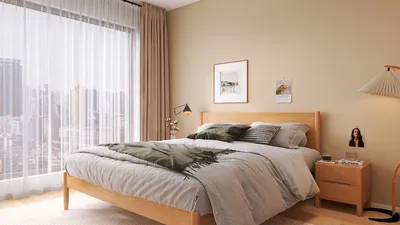
In the last ten years of my career as an interior designer, I've witnessed the transformation of white wall living rooms into vibrant spaces brimming with character. The recent surge in minimalist and Scandinavian styles has further amplified their appeal. Personally, utilizing white walls in a compact living area inspires immense creativity—it's all about balancing textures, lighting, and functional design elements. In this article, I will present 10 design inspirations, all derived from my own projects and enriched by professional insights.
1. Embracing Minimalist Scandinavian Aesthetics
My Perspective: In one of my latest projects, combining white walls with bleached oak floors resulted in a refreshing and airy living area that felt far more expansive. The client appreciated the serene vibe.
Advantages: This aesthetic significantly enhances light reflection, fostering a sense of spaciousness—ideal for smaller apartments. Architectural Digest highlights that pairing white with light wood ranks as one of the most classic combinations in design.
Drawbacks: It might risk appearing overly simplistic unless complemented by textures or decorative accents.
Advice: Incorporate cozy throws and woven baskets to imbue warmth.
2. Gallery Walls as a Statement
My Perspective: I transformed an empty white wall into a gallery showcasing my client’s travel photographs. This addition served as an excellent conversation starter during gatherings.
Advantages: A gallery wall infuses personality into white walls, making the design feel purposeful while effectively utilizing vertical space.
Drawbacks: Cramming too many frames can lead to a disorganized and cluttered appearance.
Try mixing various frame styles for an eclectic look, similar to effective minimalist kitchen storage designs where diversity adds richness.
3. Striking Accent Furniture
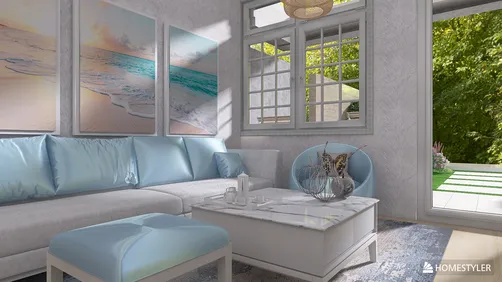
My Perspective: In a cozy living room, I introduced a deep blue velvet sofa against the white walls, turning it into a focal point.
Advantages: This approach allows for easy style adjustments; changing the accent piece can refresh the entire room without the need to repaint.
Drawbacks: High-maintenance fabrics or unique colors could impact long-term flexibility.
4. Extending Curtains from Floor to Ceiling
My Perspective: Though it might seem redundant to Add sheer white curtains over white walls, it actually introduces gentle movement and softness into the space.
Advantages: This design choice enhances verticality, making ceilings appear taller while beautifully diffusing light.
Drawbacks: Regular cleaning is necessary to maintain the bright and fresh look.
5. Warm Wooden Accents
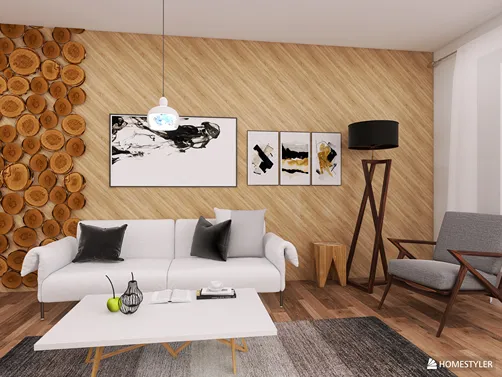
My Perspective: In a recent loft project, we added walnut shelves and a wooden coffee table, which softened the starkness of the white walls.
Advantages: Wood accents introduce warmth and a natural ambiance, balancing the coolness of white. Research from Houzz has shown that wood tones can enhance perceived coziness.
Drawbacks: An excess of dark wood can dominate and darken the atmosphere.
Moderately mixing different wood tones can foster the warm atmosphere created by wood elements while preserving brightness.
6. Textured Wall Panels
My Perspective: Installing subtle 3D panels granted one client's living area depth without altering color shades.
Advantages: They add visual intrigue and create shifting shadows throughout the day.
Drawbacks: The installation expenses may be higher; cleaning out grooves can be a hassle.
7. Indoor Plants
My Perspective: Introducing oversized potted plants against white walls revitalized a bachelor pad I redesigned.
Advantages: Plants enhance air quality and break up the monotony of white spaces.
Drawbacks: They require ongoing maintenance and adequate sunlight, which may not fit everyone’s lifestyle.
8. Statement Lighting Fixtures
My Perspective: In one penthouse, a gold Sputnik chandelier against white walls captured everyone’s attention and became a centerpiece of the room.
Advantages: It highlights vertical space and casts artistic shadows on the white surfaces.
Drawbacks: Overly large or bright fixtures can dominate smaller areas.
9. Creative L-Shaped Furniture Arrangements
My Perspective: In a compact square living room, I arranged an L-shaped sectional to maximize seating while keeping the area open.
Advantages: Efficiently utilizes corner space while maintaining an open center; enhances flow in open-plan designs.
Drawbacks: Altering the layout can be difficult without replacing the sofa.
This concept parallels how an L-shaped design optimizes countertop space in kitchens—both practical and stylish.
10. Layering Neutral Textiles
My Perspective: By combining cream and beige linen cushions, jute rugs, and knitted throws, I maintained a soft and inviting palette.
Advantages: This maintains the airy feel of the white walls while adding essential texture; it’s easy to update with seasons.
Drawbacks: If all tones are too homogeneous, the outcome might feel uninspired—contrast is crucial.
Conclusion
Living rooms with white walls should be viewed as opportunities for thoughtful design rather than limitations. As noted by Elle Decor, neutral color schemes facilitate personalization over time. Which of these innovative ideas will you implement using Homestyler to enhance your space?
FAQ
1. How can I make a living room with white walls feel more inviting?
Incorporate warm textures such as wood, linen, and wool, and consider adding floor lamps for softer illumination.
2. What color palettes complement white walls most effectively?
Earth tones, soft pastels, and rich jewel tones harmonize beautifully, depending on the desired atmosphere.
3. Is using white walls a good idea for smaller living areas?
Absolutely, as they reflect light and create a sense of spaciousness. This effect is supported by research from Houzz.
4. How can I avoid making a white wall living room appear sterile?
Incorporate greenery, artwork, or colorful fabrics, and play with matte and glossy finishes for more depth.
5. Which stylistic themes best suit white walls?
White walls are adaptable to various styles, including minimalist, industrial, Scandinavian, and eclectic aesthetics.
6. Is it costly to design a space with white walls?
Not necessarily—significant impacts can be achieved with cost-effective textiles and lighting solutions.
7. Can multiple wood tones be harmonized in a white-walled living room?
Certainly, but limit to one or two primary tones to prevent visual chaos.
8. Are white walls challenging to upkeep?
They can show marks readily, but using washable paint finishes alleviates some maintenance difficulties.
Discover your dream space with Homestyler! This user-friendly online design platform offers an intuitive design tool, stunning 3D renderings, and a wealth of design projects and DIY video tutorials. Transform your home effortlessly and unleash your creativity today!