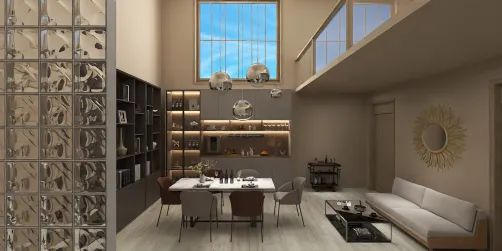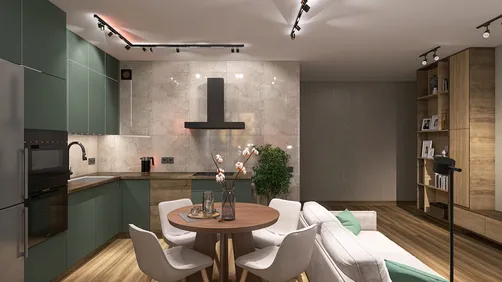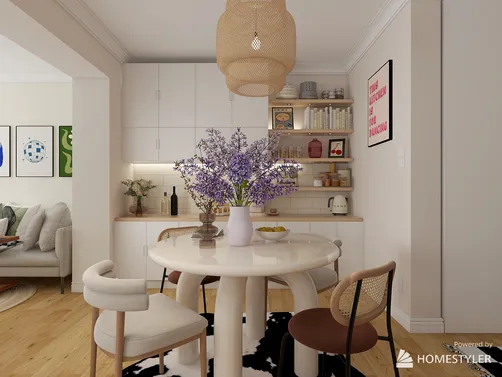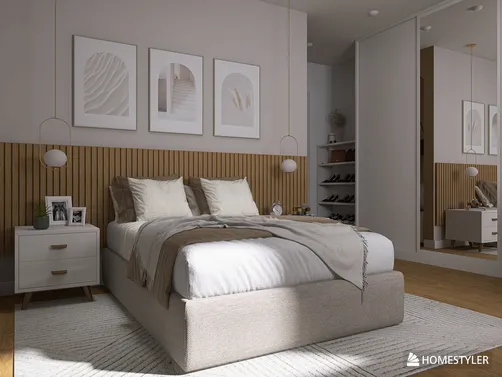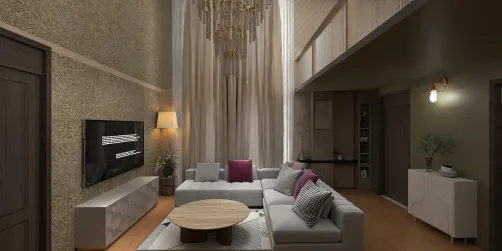
With over a decade of experience in interior design, I've observed a remarkable rise in popularity for the navy blue and tan color scheme. This elegant and timeless duo proves to be ideal for compact living spaces. I have witnessed how even the coziest of living rooms can spark incredible creativity when these hues are thoughtfully paired. In this article, I’m excited to present 10 inspiring navy blue and tan living room ideas, blending my practical project insights with expert suggestions, all while leveraging tools like Homestyler for visualization.
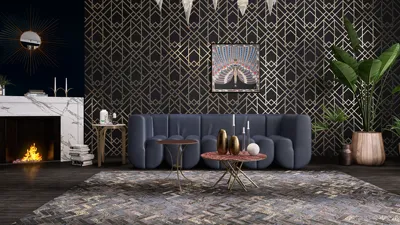
1. Sleek Navy Blue Sofa with Tan Highlights
My Perspective: I once revamped a 15 m² living room featuring a rich navy sofa adorned with a few tan pillows. The transformation made the space feel sophisticated yet not overcrowded.
Benefits: Navy offers a grounding ambiance, while tan accents enliven the color palette, achieving a harmonious balance. The Pantone Color Institute notes that this combination promotes a sense of stability and comfort.
Drawbacks: Excessive use of tan cushions may lead to a bland beige outcome—select your textures with care.
Advice: Consider a washable sofa cover; although navy is excellent for concealing stains, daily dust is more visible.
2. Transparent Coffee Table for Airiness
My Perspective: In one of my projects, incorporating a glass coffee table enhanced the lightness of a navy and tan living room without compromising utility. It's essential for small areas.
Benefits: The table's transparency gives the illusion of more space, allowing the colors to stand out beautifully. It pairs particularly well with plush navy rugs.
Drawbacks: Glass surfaces require regular cleaning to maintain clarity; they can also pose risks with young children around.
Cost Insight: Tempered glass variants offer safety and are reasonably priced.
3. L-Shaped Sectional to Optimize Seating
My Perspective: In a family setting, an L-shaped sectional crafted from tan linen with navy piping provided a cozy and inviting atmosphere.
Benefits: This layout maximizes corner spaces, providing ample seating while the two-tone detail adds elegance to the furniture's shape.
Drawbacks: Large sectionals can dominate smaller rooms if measurements aren't precise.
Advice: Ensure there's at least 60cm of walking space around furniture.
4. Wood Elements for Cozy Warmth
My Perspective: Combining navy walls with honey-toned oak side tables creates an inviting warmth. The subtle reddish hues of wood look fantastic with tan cushions.
Benefits: Wood provides much-needed texture, ensuring the space doesn't feel overly cold while adding classic charm.
Drawbacks: Some wood finishes might clash if their shades are too yellow—it's wise to test samples before making a decision.
Advice: Light to medium wood tones complement this color scheme best.
5. Bold Navy Feature Wall with Art
My Perspective: In a past project, I created a striking navy accent wall behind a tan sofa, accentuated with gold-framed artwork, instantly drawing attention.
Benefits: This feature adds depth and a touch of sophistication, serving as a perfect backdrop for displaying personal art collections.
Drawbacks: Dark walls can make poorly lit spaces appear smaller—strategic lighting is key.
Reference: Architectural Digest indicates that accent walls can psychologically enhance spatial perception, especially when juxtaposed with lighter surroundings.
6. Layered Textiles for Warmth and Comfort
My Perspective: Throw blankets in varying tan shades draped over a navy chair create what my clients affectionately call the 'coffee & midnight' aesthetic, exuding warmth and touchability.
Benefits: Layers introduce comfort, and the contrast between warm tan and cool navy produces a pleasing seasonal harmony.
Drawbacks: Over-layering can result in a cluttered look; prioritize two or three standout pieces.
7. Navy and Tan Rug for Grounding the Space
My Perspective: A patterned area rug that features both navy and tan motifs tied together an eclectic room, providing visual stability.
Benefits: Rugs seamlessly bring both colors into the room. They effectively demarcate areas, particularly in open floor plans.
Drawbacks: Larger rugs can be an investment; patterned options might inhibit future color changes.
Care Tip: Opt for a low-pile rug for easier upkeep.
8. Open Shelving with Tan Decorative Pieces
My Perspective: Navy built-in shelves filled with tan ceramics and woven baskets created an engaging functional display in a client's apartment.
Benefits: Open shelving facilitates storage while maintaining color harmony and showcasing personality through decorative choices.
Drawbacks: Open shelves necessitate regular dusting and styling.
Tip: Tan storage baskets can help manage clutter in small spaces.
9. Metallic Accents for Reflecting Light
My Perspective: Brushed brass lamps added warmth to a navy wall, subtly enhancing the tan upholstery to add a hint of luxury.
Benefits: Metallic finishes reflect light, enriching the overall aesthetic. They particularly shine in low-light environments.
Drawbacks: Using too many shiny elements can lead to a gaudy appearance—use metallics judiciously.
10. Well-Planned Lighting Scheme
My Perspective: A blend of wall sconces, floor lamps, and overhead lighting dynamically showcased both navy and tan tones in a recent project.
Benefits: Layered lighting accentuates textures and colors, preventing the navy tones from appearing overly dark.
Drawbacks: An increase in fixtures leads to more planning and potential wiring expenses.
Strategic lighting placement can dramatically change your navy and tan décor.
Conclusion
From my perspective, designing a living room in navy blue and tan isn't about restrictions; it's about making smart design choices that allow these timeless colors to shine. The focus should be on layering textures, ensuring balanced lighting, and utilizing the color palette to enhance, rather than overwhelm, your environment. As suggested by Elle Decor, thoughtful color combinations can elevate living rooms of any size. Which of these ideas are you eager to implement? Perhaps using tools like Homestyler will help you visualize your selections!
Frequently Asked Questions
Q1: Is a navy blue and tan palette a good fit for small living rooms?
Absolutely! The contrast between the two helps define the space, creating a structured yet open atmosphere.
Q2: Which accents pair well with navy blue and tan?
Metallics, natural woods, and white ceramics create beautiful complements to the navy and tan theme.
Q3: Can I incorporate navy blue walls in a dimly lit room?
Yes, but ensure you layer adequate lighting. Architectural Digest recommends using wall sconces alongside floor lamps.
Q4: How can I modernize this palette?
Incorporating clean-lined furniture and incorporating geometric patterns can rejuvenate this classic combination.
Q5: What type of flooring suits this design best?
Light oak or tan-toned carpets work perfectly, contributing to a warm and inviting atmosphere.
Q6: Is this color combination suitable for homes with children?
Definitely, especially since navy is effective at hiding minor stains; just choose durable materials.
Q7: Should I consider using patterned textiles?
Patterns like stripes or Moroccan designs can elegantly intertwine navy and tan while enhancing visual interest.
Q8: Can this color scheme be combined with others?
Certainly—greens, rusts, and soft grays harmonize well with navy and tan, and utilizing 3D renders via tools like Homestyler can help you preview potential combinations before making final decisions.
Discover your home's potential with Homestyler! This user-friendly online design platform offers an intuitive design tool, stunning 3D renderings, and a wealth of inspiring design projects and DIY video tutorials. Transform your space effortlessly and unleash your creativity today!