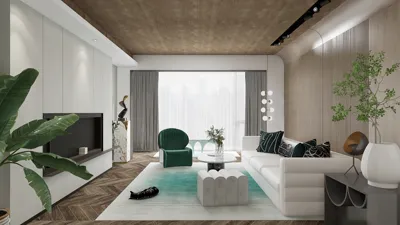


As a designer with over ten years of experience in transforming interiors, I have observed that modern vintage living rooms are increasingly becoming a trend that garners attention. This style beautifully combines nostalgic elements with modern comfort, making even the smallest spaces ignite the greatest creativity. Today, I will share 10 design inspirations drawn from my own projects along with expert resources, enabling you to infuse timeless yet fresh character into your living room using tools like Homestyler.
1. Selection of Minimalist Vintage Furniture
My Perspective: I once designed a compact 20㎡ apartment where every vintage item I selected boasted sleek lines and neutral shades, creating an airy feel instead of clutter. The crux was to avoid the urge to fill the space with too many ‘vintage treasures’.
Advantages: Minimalist vintage designs highlight character without making the area feel cramped. They are particularly effective in modern vintage living rooms that require a sense of equilibrium.
Disadvantages: Locating genuine pieces in good condition can be labor-intensive and often pricier than opting for mass-produced alternatives.
Tip: Concentrate on one or two signature items to serve as design focal points.
2. Incorporating Glass Coffee Tables for a Light Atmosphere
My Insight: Last spring, I placed a round glass table in a narrow lounge area, instantly making it feel more spacious. Coupled with a plush vintage rug, it encapsulated an enticing fusion of old and new. It’s fascinating how glass elements can enhance openness while retaining personality.
Advantages: It improves the natural flow of light and maintains a sense of visual expansiveness while also showcasing vintage textures around it.
Disadvantages: Glass surfaces can be prone to smudging and require regular upkeep to ensure they remain spotless.
3. Retro Color Schemes with Modern Finishes
My View: I tend to favor colors like mustard, teal, and blush, especially when applied to sleek, matte surfaces—the result is a nostalgic touch that doesn’t feel outdated.
Advantages: Introduces warmth and character; versatile enough to be incorporated into upholstery, wall colors, or decorative elements.
Disadvantages: Vibrant color fads can evolve, leading bold choices to lose their appeal faster than neutral tones.
4. Layering Textured Fabrics in Your Design
My Experience: I am not afraid to mix velvet cushions with linen sofas—this creates a rich texture that harmoniously merges different styles.
Advantages: A textural contrast adds depth, particularly in modern vintage living rooms that prefer a minimalist approach.
Disadvantages: An excess of patterns can generate visual disarray—often, less is indeed more.
5. Featuring Statement Lighting Fixtures
My Memory: Last year, I installed a 1960s Murano glass chandelier in a crisp white loft; it became the centerpiece of conversation.
Advantages: Lighting can function as both practical and artistic elements, enhancing both vintage and modern furnishings.
Disadvantages: Authentic pieces may need specialist restoration and proper installation.
Tip: For those on a budget, high-quality reproductions of vintage designs are worth considering.
6. Utilizing L-Shaped Seating for Enhanced Flow
My Take: An L-shaped emerald green velvet sofa perfectly defined a client's open living area, ensuring comfort without obstructing walkways. It illustrates how L-shaped arrangements can offer ample seating, even in cozy living spaces.
Advantages: Provides generous seating and subtly zones the area well, accommodating both low and high ceilings.
Disadvantages: It can pose challenges in rearranging if you enjoy frequently changing your layout.
7. Accents of Reclaimed Wood
My Insight: In my own residence, a reclaimed oak coffee table added a historical touch to the decor.
Advantages: It is eco-friendly, rich in character, and effortlessly complements metallic modern elements.
Disadvantages: Such pieces may necessitate additional care like oiling or sealing to avoid wear.
8. Vintage-Inspired Wall Art
My Experience: I sourced a collection of 70s travel posters for a client—framed in simple black metal, they infused narrative and vibrancy into the room.
Advantages: They can be easily changed out to refresh the ambiance; an affordable method to incorporate vintage aesthetics.
Disadvantages: Overindulgence can give the impression of a themed display instead of a curated collection.
9. Layering Rugs for Increased Texture
My Technique: I love layering a Persian-style rug on top of a substantial jute base; this approach is both styled and relaxed. This method proved effective in a recent 28㎡ lounge project, illustrating how textural layers can enhance visual interest.
Advantages: Contributes to coziness and helps to define distinct areas without needing construction.
Disadvantages: Requires careful color coordination to prevent clashes.
10. Combining Old and New Storage Solutions
My Approach: Restoring a mid-century sideboard and pairing it with modern concealed shelving provided a client with functional storage while preserving charm.
Advantages: It keeps the vintage allure intact while catering to modern storage demands.
Disadvantages: Coordinating finishes from different eras can sometimes prove challenging.
Summary
In summary, a compact living room does not restrict your design potential; instead, it encourages you to adopt smart design strategies. Modern vintage living rooms flourish through balance, artistic creativity, and distinctiveness. As highlighted by Architectural Digest, thoughtfully blending different eras can ensure lasting style. Which one of these techniques would you be excited to experiment with in your space?
FAQ
1. What characterizes a modern vintage living room?
It's a design method that merges mid-century or retro features with contemporary finishes and layouts.
2. Can a modern vintage style be effectively applied to small living rooms?
Certainly—carefully selected furniture and color harmony can avoid overcrowding.
3. What color schemes are suitable for a modern vintage living room?
Colors like mustard, teal, blush, and rich neutrals fare well; maintain a light backdrop.
4. Where can I discover affordable vintage furniture?
Local thrift stores, estate sales, and online marketplaces present excellent opportunities.
5. Is it acceptable to mix metals in modern vintage designs?
Absolutely—pairing brass with matte black can create an eye-catching, harmonious look.
6. Do modern vintage styles require extensive decor?
Not necessarily—fewer, thoughtfully chosen pieces convey a stronger design narrative.
7. Should I consider wallpaper in a modern vintage living room?
A bold retro pattern on one feature wall can serve as an impressive focal point.
8. How can I view examples of modern vintage layouts?
You can visit online platforms for styled room inspirations and curated design boards, or utilize tools like Homestyler for visualizing your ideas.
Originally incubated at Autodesk, Homestyler has grown into one of the most widely adopted home design platforms in the world, now trusted by over 18 million users. Whether you're a homeowner exploring ideas or a professional designer delivering client-ready renders, Homestyler brings industry-leading 3D technology to your fingertips — no experience required.
Homestyler is your go-to online home design platform! With its user-friendly design tool, stunning 3D renderings, and a wealth of DIY video tutorials, you can effortlessly create and visualize your dream spaces. Transform your home design ideas into reality today!
Design Now for FREE
































