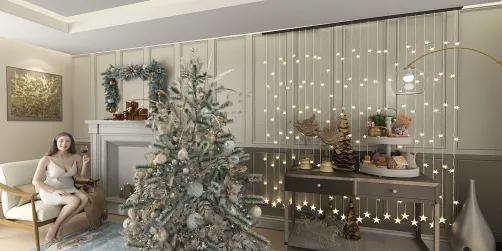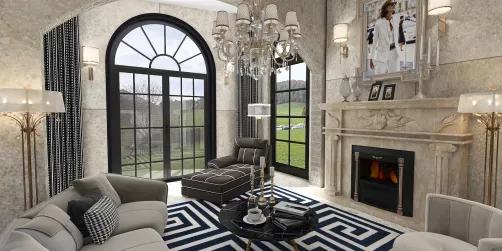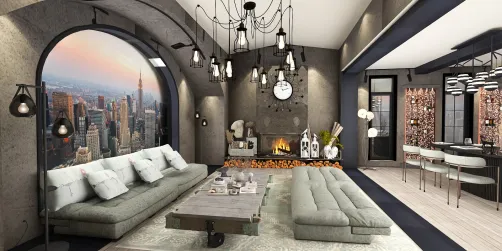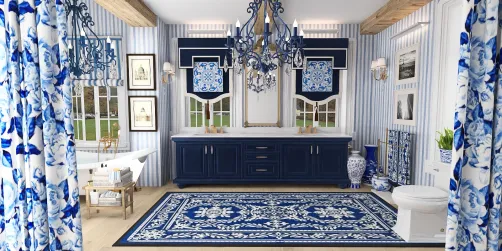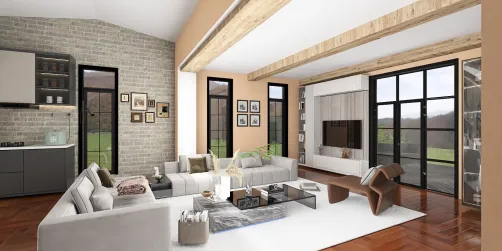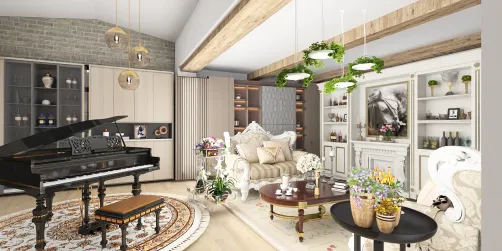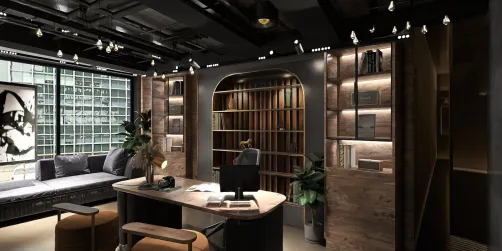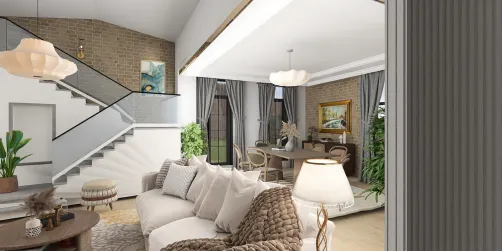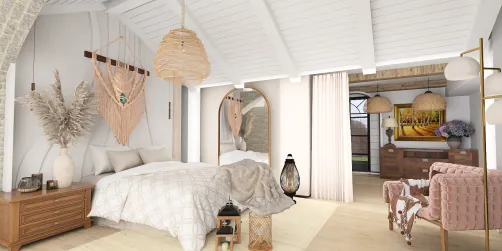
With over a decade of experience in interior design, I’ve observed that living rooms styled after the Magnolia Home aesthetic have emerged as a popular choice for those seeking a warm and timeless appeal. I find that even small living spaces can ignite immense creativity through the thoughtful layering of textures, hues, and furniture arrangements. This article presents 10 inspiring Magnolia Home living room concepts that merge my personal insights with professional design expertise, featuring clever storage solutions and the art of creating an inviting atmosphere through subtle details.
1. Neutral Base with Textural Layers
My Experience: I transformed a 20 m² living room by utilizing a neutral beige scheme combined with chunky knit throws, linen cushions, and a jute rug. The result was an instantly calming yet welcoming environment.
Benefits: A neutral foundation provides a flexible backdrop for seasonal changes and harmonizes beautifully with Magnolia-inspired decor. As noted by Architectural Digest, adding various textures creates depth without overwhelming the visual space.
Drawback: Too many similar tones can make a room appear flat; be sure to introduce contrasting elements through art or accent pieces.
2. Rustic Wooden Coffee Table
My Experience: A reclaimed wood coffee table injected character into a living space I designed. I found one at a vintage market, and it quickly became the focal point of conversation.
Benefits: It lends a genuine farmhouse charm, works well alongside tufted sofas, and is incredibly durable. Style it with ceramic vases and neutral-toned books for the ideal look.
Drawback: Hefty wood furniture can overwhelm compact areas; choose lighter shades if your room lacks natural light.
Tip: Combine it with minimalist shelving to achieve balance so that the wooden element does not dominate the space.
3. Shiplap Feature Wall
My Experience: Adding white shiplap to one wall transformed a lackluster living room into a fresh, cottage-like retreat. The subtle texture it brings is both impactful and charming.
Benefits: It instantly evokes Magnolia Farmhouse vibes, enhances brightness, and introduces architectural interest without the need for extensive renovations.
Drawback: Covering all walls can make an area feel overly themed; balance with smooth painted surfaces for contrast.
4. Off-White Slipcovered Sofa
My Experience: Slipcovers have proven invaluable for my clients with children or pets — they are washable, stylish, and comfortable.
Benefits: They offer easy cleaning and the option to change covers with the seasons; they fit seamlessly into the layered Magnolia aesthetic.
Drawback: Light-colored fabrics may still show signs of staining over time; selecting the right fabric blend is crucial (cotton-linen mixes are ideal).
5. Open Shelving with Personal Decor
My Experience: I organized open shelves in a small living room to showcase plants, books, and ceramic bowls — all featuring neutral and green shades.
Benefits: It promotes intentional styling and provides opportunities for personal expression, aligning perfectly with Magnolia’s curated look.
Drawback: Requires regular maintenance, as clutter can quickly lessen its appeal.
6. Vintage Rugs with a Modern Layout
My Experience: A distressed Persian-inspired rug anchored the living room of my latest project, adding a rich history to a modern space.
Benefits: It combines vintage charm with contemporary flair, hiding wear while adding visual interest.
Drawback: Authentic vintage rugs can be costly; fortunately, high-quality reproductions are widely accessible today.
Tip: Pairing a vintage rug with an L-shaped furniture arrangement can free up floor space, enhancing both aesthetics and functionality.
7. Large Wall Art in Subtle Hues
My Experience: I favor a striking singular piece, like a calming landscape, to replace multiple smaller frames — it invites tranquility and focus.
Benefits: It visually expands the space and adds personality without cluttering the walls.
Drawback: Large artworks can be expensive or challenging to hang on one's own; the choice of framing is crucial to complementing the piece.
8. Greenery Corner Indoors
My Experience: Introducing an olive tree in a woven planter in one corner refreshed the space's energy immediately.
Benefits: It infuses life and a touch of nature, harmonizing with the organic aesthetic of Homestyler.
Drawback: Some plants require significant upkeep; choose low-maintenance varieties if your living room lacks abundant sunlight.
9. Layered Lighting with Warm Bulbs
My Experience: A combination of a ceiling fixture, floor lamp, and side table lamps in my home ensures a cozy ambiance any time of day.
Benefits: It creates visual warmth and practical lighting, crucial for setting a comforting mood.
Drawback: Too many light sources can crowd power outlets and create messy cords — plan your layout early on.
Cost Note: While quality warm LED bulbs might seem pricier initially, they are energy-saving over time.
10. Comfortable Reading Nook
My Experience: I created a cozy reading corner with a plaid armchair, floor lamp, and tea side table — it quickly became my client's favorite place.
Benefits: This nook adds functionality to often neglected corners while emphasizing the homely charm typical of Magnolia Home.
Drawback: Careful design flow is necessary to prevent a cramped feeling.
Tip: Consider integrating warm wood accents in the nook to unify it with the living room's overall aesthetic.
Conclusion
Small living rooms are not setbacks; rather, they present opportunities for innovative design choices. The signature style of Magnolia Home thrives on cozy layers, practical utility, and a welcoming feel. As highlighted by Better Homes & Gardens, thoughtful textures and natural elements can enhance even the smallest of spaces. Which of these 10 design strategies would you implement in your own home?
FAQ
Q1: What are the characteristics of a Magnolia Home living room?
A: It harmonizes rustic charm, modern simplicity, and layered textures, striking a balance with natural materials, neutral colors, and personal touches.
Q2: Is the Magnolia Home style suitable for apartment living?
A: Absolutely! Adjusting furniture scale and employing lighter colors can adapt the cozy and rustic feel to smaller environments without overcrowding.
Q3: What color palette is typical for Magnolia-themed living rooms?
A: Gentle neutrals such as ivory, beige, and gray, complemented by soft accent colors like muted greens or blues, are common choices.
Q4: Is installing shiplap costly?
A: Costs can vary, but DIY and MDF panel options can provide a more budget-friendly approach than genuine wood while still achieving the desired aesthetic.
Q5: How can I prevent a room styled like Magnolia Home from feeling overly themed?
A: Integrate modern or personal elements — such as abstract artwork or metallic accents — to keep the style fresh and engaging.
Q6: What flooring is best for Magnolia Home living rooms?
A: Warm wooden floors or light-toned laminate planks are ideal. According to Houzz, these materials enhance the overall inviting ambiance.
Q7: Is it possible to incorporate dark furniture within a Magnolia style?
A: Certainly! Just balance it with light walls and textured fabrics to maintain an open and inviting atmosphere.
Q8: What are some budget-friendly strategies to achieve a Magnolia vibe?
A: Consider slipcovers, secondhand rustic items, and thoughtful decor placement. Additionally, leveraging an online 3D floor planner like Homestyler can help visualize layouts before making purchases.
Homestyler is your go-to online platform for effortless home design. With its user-friendly design tool, stunning 3D renderings, and a wealth of DIY video tutorials, you can transform your space and unleash your creativity in no time. Dive into your dream project today!