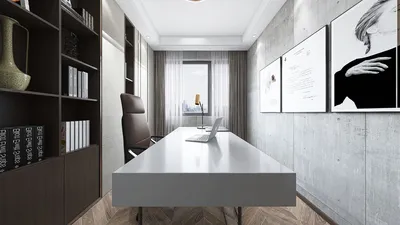


As a designer with over ten years of experience in transforming both small and medium spaces, I've observed a significant rise in the popularity of grey and taupe living rooms recently. Contrary to common perception, neutral shades can be profoundly inspiring. In my experience, utilizing a limited color scheme often fosters unparalleled creativity. Today, I wish to share ten design inspirations that I have personally implemented or witnessed in various projects, blending practical insights with professional design expertise.
1. Minimalist Grey Sofa Against Taupe Walls
My Approach: In my apartment, I opted for a sleek light grey sofa paired with warm taupe walls. This combination resulted in a serene and harmonious atmosphere that avoids the chill often associated with grey tones. The contrast here is subtle yet rich, offering a sense of depth.
Pros: Ideal for compact spaces; the light taupe walls beautifully reflect natural light; neutral tones give the flexibility to change seasonal accent colors effortlessly.
Cons: May appear flat without textured layering; requires high-quality paint to prevent a dull taupe appearance.
2. Layered Textures in Grey and Taupe
My Approach: One of my clients desired a monochromatic aesthetic that still felt welcoming, so we introduced knitted throws, plush velvet cushions, and a jute rug. This mixture allowed the neutral palette to truly shine.
Pros: Infuses warmth without introducing new colors; the tactile nature makes the area feel cozy; as noted by Elle Decor, textured layering is a key trend for interiors in 2024.
Cons: More textures require more maintenance; can appear cluttered if overdone.
For instance, pairing a taupe jute rug with a cloud-grey sofa results in a grounded yet airy feel—similar to how minimalist kitchen storage balances functionality and aesthetics.
3. Airy Glass Coffee Tables
My Approach: I enjoy incorporating glass coffee tables in neutral living quarters; they enhance the grey and taupe color scheme by allowing it to breathe and reflect light gracefully.
Pros: Ideal for making small spaces appear larger; visually light; easy to accessorize with books and trays.
Cons: Prone to showing fingerprints; requires strategic placement if children are present.
4. L-Shaped Grey Sectional
My Approach: In a narrow living room project, we integrated an L-shaped grey sectional to optimize seating without segmenting the room.
Pros: Clearly defines the living area; provides ample lounging space; fits seamlessly into open-plan designs.
Cons: Can be cumbersome to relocate; may dominate a very small area without careful proportion control.
This concept parallels the way an L-shaped design enhances counter space in kitchens—same principle, just applied in a different environment.
5. Warm Wooden Accents
My Approach: Since grey and taupe can sometimes feel cool, I incorporate oak shelves or walnut coffee tables to warm the ambiance.
Pros: Balances the cool undertones of neutrals; possesses a classic appeal; versatile enough for both rustic and modern themes.
Cons: Demands periodic maintenance; excessive dark woods may weigh down the look.
6. Large Taupe Area Rugs
My Approach: I once placed a luxurious taupe rug under all seating in a predominantly grey room—it instantly unified the space's layout.
Pros: Clearly delineates areas in open layouts; softens sound; an ideal foundation for smaller rug layering.
Cons: Light taupe rugs can stain easily; require regular cleaning to keep them looking their best.
7. Striking Monochrome Artwork
My Approach: I recommend utilizing oversized black-and-white or sepia-toned artworks as focal points in neutral settings.
Pros: Infuses character without disrupting the color scheme; readily changeable; draws the eye upwards, enhancing perceived space.
Cons: Large artworks necessitate careful scaling; custom framing can incur significant costs.
8. Metallic Accents for a Touch of Luxury
My Approach: Incorporating brushed gold lamps or chrome furniture legs can significantly elevate the sophistication of grey and taupe settings.
Pros: Adds a luxurious touch without overshadowing the overall scheme; reflects light effectively; pairs well with various neutral tones.
Cons: Susceptible to fingerprints; certain styles may date faster than a foundational palette.
Much like how glass backsplashes enhance the spacious feel of kitchens, metallics can amplify light, making spaces feel larger.
9. Built-in Storage in Harmonizing Tones
My Approach: For a tidy aesthetic, I’ve constructed custom shelving painted in taupe to seamlessly merge with the wall, creating almost invisible storage.
Pros: Maintains a spacious feel; prevents visual clutter; can be custom-tailored for specific needs.
Cons: Fixed solutions are immobile; may require repainting if the color scheme changes later.
10. A Comprehensive Lighting Scheme
My Approach: Employing a combination of ceiling fixtures, side lamps, and hidden LED strips allows for instant mood adjustments.
Pros: Fosters both functionality and ambiance; highlights textures effectively; adheres to best lighting practices.
Cons: More fixtures can lead to higher initial costs; requires thorough planning.
Conclusion
A smaller or neutral-colored living room does not stifle creativity; rather, it calls for more intelligent design choices. As Architectural Digest highlights, cohesive palettes with layered elements have a timeless charm. Which of these grey and taupe living room inspirations using Homestyler would you consider implementing first?
FAQ
1. What color combinations work best with grey and taupe?
Soft whites, gentle blues, and sage greens beautifully enhance grey and taupe, adding complexity without clashing.
2. How can I prevent my grey and taupe living room from appearing dull?
Incorporate texture layering, diverse materials, and smart lighting. As Elle Decor advises, mixing textures is a key trend for 2024.
3. Can patterned rugs be incorporated into a grey and taupe scheme?
Absolutely—choose subtle geometric or nature-inspired patterns in tonal shades to ensure harmony.
4. Is a grey and taupe palette appropriate for smaller living rooms?
Definitely. This neutral scheme can create an illusion of spaciousness, especially when paired with reflective surfaces.
5. How can warmth be infused into a grey and taupe room?
Integrate warm metals, wooden features, or soft fabrics like wool and velvet.
6. Are grey and taupe living rooms easily updated for different seasons?
Yes—by rotating cushions, throws, and decorative elements, you can refresh the ambiance without the need for repainting.
7. Do grey and taupe styles lend themselves well to modern aesthetics?
They are incredibly adaptable, fitting seamlessly into modern, Scandinavian, or rustic interior designs.
8. How can I achieve a luxurious feel in a grey and taupe living room on a budget?
Utilize affordable metallic features, quality textiles, and layered lighting for an upscale appearance. For larger remodels, a tool like Homestyler’s 3D floor planner can aid in visualizing layouts economically.
Homestyler is your go-to platform for effortless home design! With its user-friendly online design tool, stunning 3D renderings, and a wealth of inspiring design projects and video tutorials, you can easily transform your space into a stunning reflection of your style. Start creating today!
Design Now for FREE
































