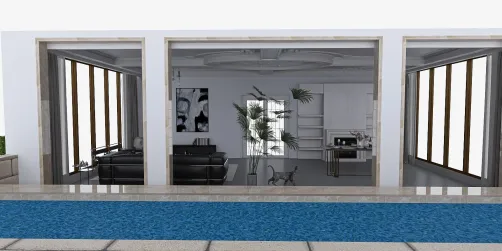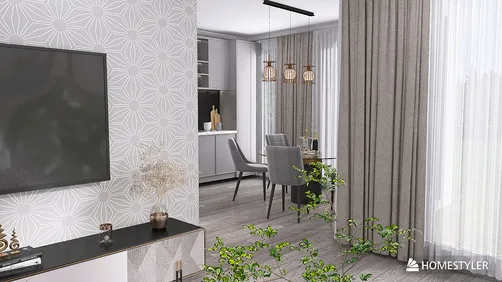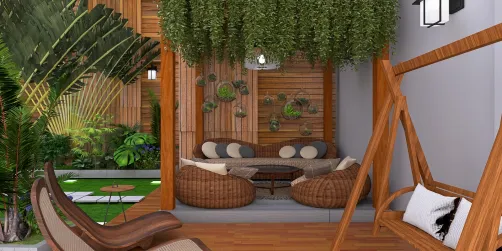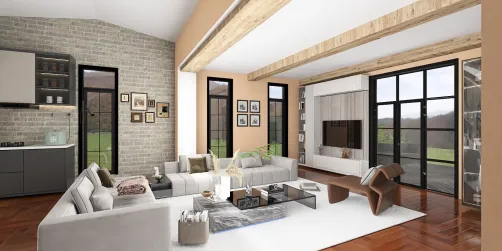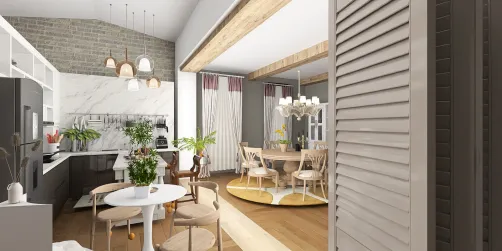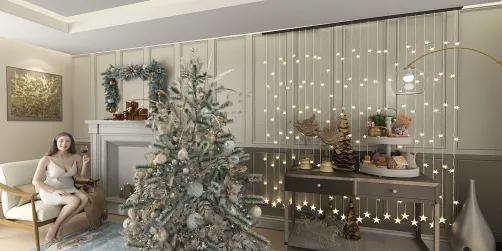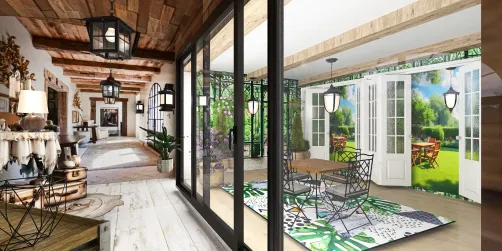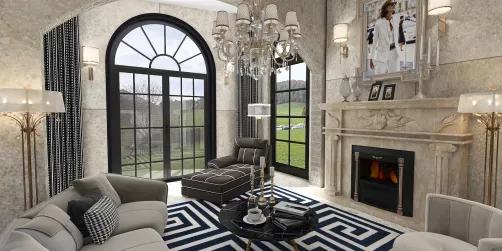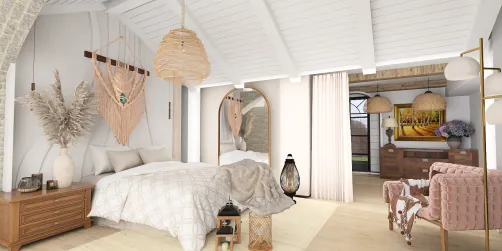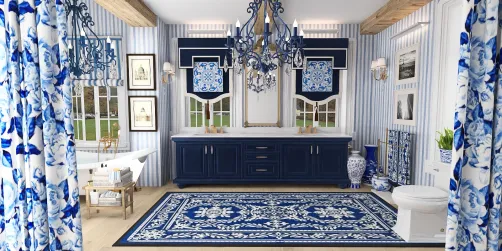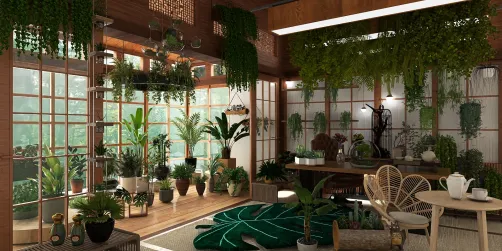
In recent years, a noticeable transformation in interior design trends has emerged: people are shifting from cold, sterile white environments to embracing the inviting aura of earth tones. As a designer, I firmly believe that small spaces often ignite greater creativity, making the living room an ideal area for experimenting with warm palettes. In this article, I will share 10 inspiring earth-tone living room ideas derived from my professional experience and backed by design expertise. These suggestions will enable you to craft a cozy, grounded atmosphere that remains both stylish and timeless, especially utilizing tools like Homestyler for visualization.
1. Warm Beige Walls
My Thoughts: A cold, bluish apartment was successfully transformed into a welcoming abode by simply repainting the walls in a warm beige. The result was an immediate sense of comfort and a more lived-in feel.
Advantages: Beige walls serve as a neutral backdrop, effortlessly coordinating with diverse textures such as wood and linen, allowing for adaptable decor over time. Architectural Digest highlights that earthy neutrals also minimize visual clutter, fostering a sense of tranquility.
Disadvantages: In spaces lacking abundant natural light, beige can at times appear lackluster—opting for a warm undertone can help avoid this dullness.
2. Terracotta Accent Chairs
My Thoughts: For one of my smaller living room projects, terracotta chairs became an eye-catching centerpiece, imparting vibrancy without overwhelming the area.
Advantages: They introduce an instant Mediterranean flair and harmonize beautifully with greenery, rugs, or woven baskets.
Disadvantages: For minimalistic lovers, terracotta may seem too audacious, so pairing them with softer shades is advisable.
In my minimalist living room design, incorporating terracotta alongside off-white curtains worked wonders for maintaining balance.
3. Olive Green Sofas
My Thoughts: Olive green evokes the serenity of nature during twilight—both calming and invigorating. In compact compositions, I often select smaller sofas to avoid overpowering the room.
Advantages: This color complements rustic and modern aesthetics alike while effectively hiding stains compared to lighter fabrics.
Disadvantages: In poorly lit settings, olive green may appear heavy—counterbalance this with brighter decor elements.
4. Wooden Coffee Tables
My Thoughts: In a downtown loft, a reclaimed oak table became the focal point of the living space, aging beautifully and narrating its own story over time.
Advantages: Wooden tables offer warmth and texture while eco-friendly options like reclaimed wood resonate with sustainability, as noted by the U.S. Green Building Council.
Disadvantages: They are prone to scratches—consistent use of coasters is essential for maintaining appearance.
5. Clay Pot Decor
My Thoughts: I introduced clay vases into a client’s neutral-toned room, creating a tactile element. The varied shapes brought a casual charm, avoiding overly formal aesthetics.
Advantages: An affordable approach to infusing handmade character; these pots pair wonderfully with both foliage and dried flowers.
Disadvantages: Clay items can be fragile—this poses a challenge for homes with lively pets.
6. Earth-Inspired Art Pieces
My Thoughts: Artwork depicting sandy landscapes or lush forests helps anchor the room around a natural theme. I frequently collaborate with local artists for unique creations.
Advantages: Personalizes your space instantly and becomes a captivating focal point.
Disadvantages: Original pieces can be costly, but opting for prints serves as a budget-friendly alternative.
A client once expressed how the nature-inspired wall art seamlessly unified the entire earthy color scheme.
7. Layered Textiles
My Thoughts: Integrating linen curtains, wool throws, and jute rugs adds richness and warmth to the living area.
Advantages: Layering creates depth; utilizing a variety of textures prevents the design from feeling too uniform.
Disadvantages: In warm climates, an abundance of heavy textiles can create a stifling atmosphere.
8. Burnt Sienna Accent Wall
My Thoughts: I once painted a small apartment's wall burnt sienna, which effectively warmed the area visually without making it feel cramped.
Advantages: This color injects energy into the space and naturally draws attention; it pairs splendidly with rustic wood elements.
Disadvantages: It may clash with certain cool-hued furnishings, so careful selection is vital.
9. Leather Armchairs
My Thoughts: A pair of caramel leather armchairs became timeless staples in a family’s earth-toned lounge.
Advantages: They boast durability and develop a beautiful patina over time.
Disadvantages: They require maintenance to avoid cracks, necessitating some degree of care.
In a recent design, arranging seating with leather pieces enhanced the layered, harmonious ambiance.
10. Ambient Warm Lighting
My Thoughts: Gentle yellow lighting can completely transform how earth tones appear at night, giving them a warm glow.
Advantages: Enhances the coziness factor; using dimmers provides flexible lighting options.
Disadvantages: Excess warm lighting can distort certain colors, particularly greens, so moderation is key.
In Summary
Crafting an interior with earth tones isn’t about achieving a dull aesthetic; it’s about artfully layering warm, natural elements to create a vibrant and grounded living room. Small spaces can greatly benefit from these tones, as they provide warmth without an excess of decoration. As noted by Elle Decor, natural palettes possess a timeless quality that surpasses fleeting fads. Which of these 10 earth tone living room ideas are you excited to implement with tools like Homestyler?
Frequently Asked Questions
Looking to transform your space? Homestyler is your go-to online home design platform! With its user-friendly design tool, stunning 3D renderings, and a wealth of DIY video tutorials, you can effortlessly create and visualize your dream home. Start designing today!