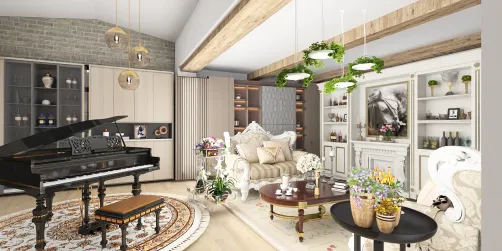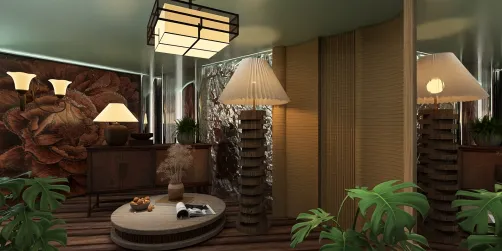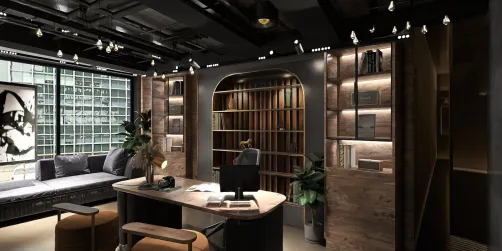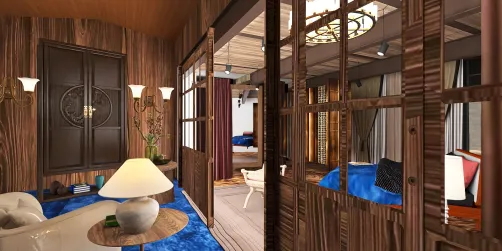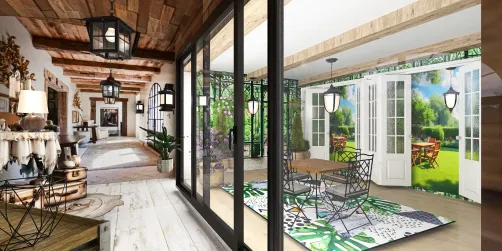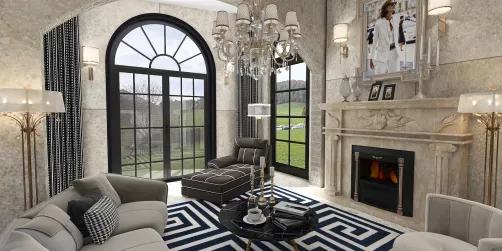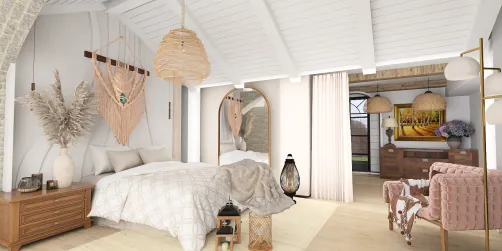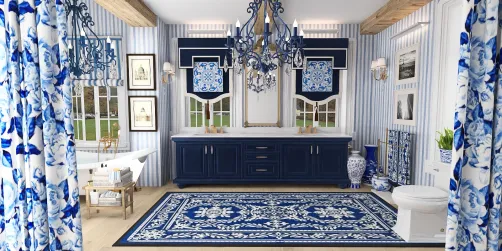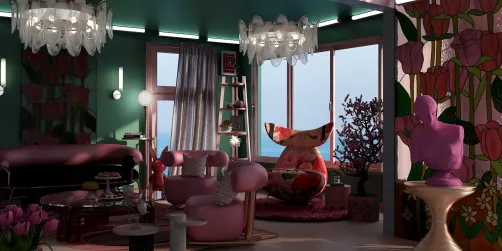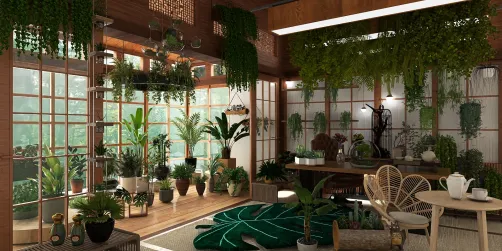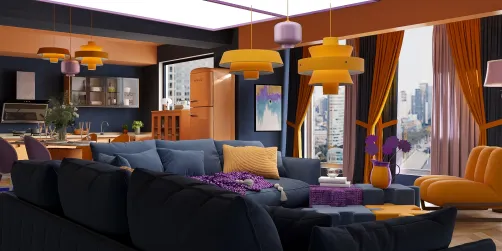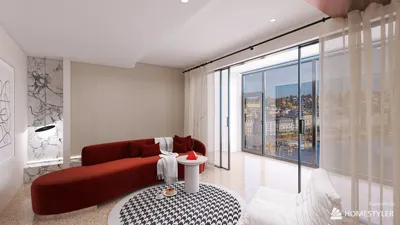
In recent years, the blend of earthy and vibrant hues has gained popularity in interior design, with my personal favorite being the combination of brown and turquoise. I often tell my clients that small spaces ignite the greatest creativity, and this pairing is a perfect example. In this article, I will share 10 inspiring brown and turquoise living room ideas that I've implemented or observed in real-life homes, merging personal experience with design principles backed by data.
Brown Leather Sofa with Turquoise Accent Wall
My Opinion: In a downtown apartment project, I positioned a deep brown leather sofa against a matte turquoise accent wall — creating a contrast that felt both elegant and playful. It's a design concept I've revisited frequently.
Advantages: The warm tone of the leather beautifully grounds the brightness of turquoise, and it is easy to complement with neutral or metallic accessories. A 2023 report from Houzz revealed that turquoise walls often enhance the sense of light in compact living rooms.
Disadvantages: Leather furnishings can be quite expensive, and an overabundance of turquoise in a small room might feel overwhelming if natural light is limited.
Recommendation: Keep other walls in light beige or cream tones to maintain a balanced aesthetic.
Discover how an open-concept design can incorporate brown and turquoise effectively in smaller apartments.
Turquoise Area Rug on Wooden Floors
My Opinion: For a client's loft conversion, we introduced a large turquoise rug atop reclaimed oak flooring, instantly giving the space a cozier and more defined feel.
Advantages: It adds warmth and texture, simplifies zoning in open areas, and pairs well with both dark and light shades of brown wood.
Disadvantages: Turquoise rugs may fade under intense sunlight, and patterned rugs can dominate the room if bold furniture is already present.
Tip: Using a rug pad prevents slipping and enhances the plushness of the rug.
Brown & Turquoise Patterned Curtains
My Opinion: In a high-rise condo, we utilized floor-to-ceiling patterned curtains to introduce visual interest, making them the standout feature of the room.
Advantages: They soften the contrast between brown and turquoise, and help unify other decor elements. This approach is particularly effective in rooms that need to emphasize vertical space.
Disadvantages: Custom drapery can incur high costs, and larger patterns may become less trendy quicker than solid fabrics.
Wooden Coffee Table with Turquoise Decorative Trays
My Opinion: In my own home, I adore my walnut coffee table adorned with hand-painted turquoise trays — they are both functional and visually striking.
Advantages: Small decorative items are easy to replace; they subtly incorporate both colors without overwhelming the space.
Disadvantages: Wooden surfaces require regular maintenance, and trays might reduce the surface area available for everyday use.
Turquoise Throw Pillows on a Chocolate Brown Sectional
My Opinion: This combination has always been my go-to for a quick refresh for clients. Vibrant pillows enliven a heavy, dark sectional.
Advantages: It's very budget-friendly; a simple seasonal swap can instantly enliven a space.
Disadvantages: These pillows require regular washing, and lower-quality fabrics may fade quickly.
For additional inspiration, explore how using Homestyler can help visualize the color matching between pillows and sectionals before making a commitment.
Turquoise Accent Chairs with Brown Cushions
My Opinion: I once found vintage turquoise armchairs and reupholstered the cushions in chocolate velvet — they exude pure retro luxury.
Advantages: They bring an eclectic charm, elegantly frame seating areas, and can serve as standout pieces in their own right.
Disadvantages: Locating the perfect shade in vintage furniture can be time-consuming; professional reupholstery may be necessary.
Brown Bookshelves with Turquoise Back Panels
My Opinion: Adding turquoise paint to the backs of built-in shelves introduces depth and personality to the display area.
Advantages: This is a cost-effective way to add color; it accentuates displayed items beautifully and suits both modern and traditional decors.
Disadvantages: It can appear cluttered if the shelves are overstuffed; repainting may be a labor-intensive task.
Layered Turquoise and Brown Rugs
My Opinion: Combining a neutral jute rug with a smaller patterned turquoise rug on top creates visual interest and warmth.
Advantages: It's excellent for defining separate areas and mixes textures for an appealing, curated look.
Disadvantages: It may require more upkeep, and improperly anchored rugs could pose tripping hazards.
Draw inspiration from an eclectic layout, as seen in kitchen designs; this layering strategy also works well in living environments.
Turquoise Artwork on Brown Feature Wall
My Opinion: In a townhouse project, a large coastal turquoise painting completely transformed a dark brown accent wall.
Advantages: It forms a striking focal point; seasonal changes are easy to implement, and it personalizes the space.
Disadvantages: Large art pieces can be costly; appropriate lighting is essential for optimal visibility.
Mixing Textures: Suede Brown Ottomans & Turquoise Glass Decor
My Opinion: Experimenting with textures, such as combining soft furnishings with glossy decor, keeps the color scheme dynamic.
Advantages: This approach adds layers of interest; the variety of textures enhances both comfort and style.
Disadvantages: More decorative elements mean more cleaning; if overdone, it can lead to a cluttered appearance.
Conclusion
Creating a living room with a brown and turquoise color scheme isn't about limitations — it's about making informed choices that enhance the space. Regardless of size, your living area can feel harmonious, inviting, and full of personality with this palette. As highlighted in the Pantone 2024 color trend report, earthy tones paired with vibrant shades are here to remain popular. Which of these ideas will you try first?
FAQ
1. Is the brown and turquoise combination suitable for small living spaces?
Absolutely, when balanced properly. Lighter shades of turquoise can help open up the room, while rich browns provide a stable anchor.
2. What accent colors complement brown and turquoise nicely?
Cream, gold, white, and soft gray are great options that won't overpower the main color palette.
3. How can I lighten the feel of a dark brown sofa in my room?
Incorporate turquoise throw pillows, a pale rug, or light-colored wall paint for contrast.
4. Is it advisable to use both colors on the walls?
It's best to designate one color as a feature wall while keeping the rest neutral to prevent overwhelming the area.
5. What styles are effective with a brown and turquoise color scheme?
This combination works well in coastal, mid-century modern, and bohemian styles.
6. Are there cost-effective ways to experiment with this color combination?
Certainly! You can update textiles like rugs, cushions, or artwork in turquoise while keeping existing brown furniture.
7. Does lighting have an impact on how turquoise appears?
Indeed. Natural light preserves its vibrancy, while warm artificial lighting can give it a greenish hue.
8. Where can I experiment with this color palette before making a final decision?
You can utilize online design tools, like Homestyler, to visualize how these colors work together in your own home setting.
Discover the ease of home design with Homestyler! This user-friendly platform offers an intuitive online design tool, stunning 3D renderings, and a wealth of inspiring design projects and DIY video tutorials. Transform your space effortlessly and unleash your creativity today!