I once had a client request to transform a bathtub into a cozy reading nook — it's a true story — and I nearly agreed until I realized that water and books do not mix. This amusing inquiry taught me a vital lesson: small wet spaces require creativity, and any limitation can turn into a design feature. In this article, I will present five inspiring bathroom tub decorating ideas that will make cramped bathing areas feel both luxurious and personal. Additionally, I will include practical advice, budget considerations, and a few real project stories drawn from my over 10 years in home design.
1. Layered Textures Around the Tub
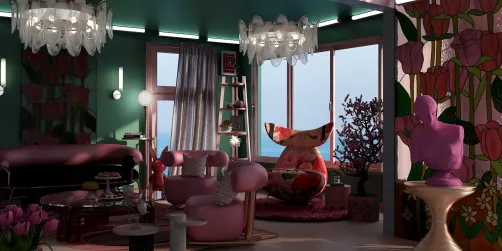
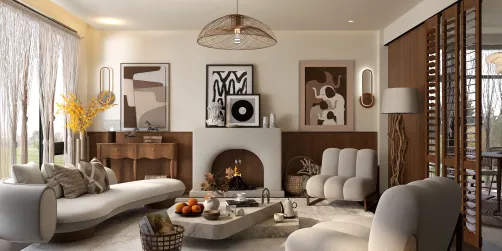
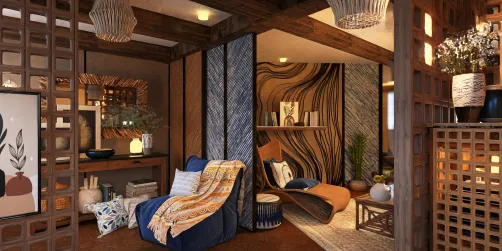
I enjoy incorporating various textures — such as matte tiles, a wooden bath shelf, and soft textiles — to create a warm atmosphere around the tub, steering clear of a clinical feel. The benefit is adding depth without clutter, though the challenge lies in selecting finishes that can handle humidity. I typically suggest using engineered wood or treated teak for shelving and opting for a quick-dry bath mat to prevent mold growth.
save pin
2. Niche Shelving with Mood Lighting
Installing recessed niches above the tub might require a little construction, but the payoff is significant: they can hold shampoo bottles and showcase decorative candles or plants. Adding LED strip lighting within the niches creates a spa-like ambiance. This upgrade is straightforward, but planning for waterproofing and wiring in advance is crucial — I've learned the importance of coordinating with the electrician early on to avoid surprises during the project.
save pin
3. Statement Wall Tile or Wallpaper
A striking tile pattern or water-resistant wallpaper on the wall behind the tub can instantly enhance character. The advantage lies in achieving high impact at a modest cost; however, the downside is the commitment it entails — swapping out tile later can be labor-intensive. For one project, I used encaustic-look tiles as an accent, which finally brought personality to the entire small bathroom.
save pin
4. Curated Greenery and Small Plants
Incorporating plants into the tub area brings life and tranquility. My favorites for low-light, high-humidity environments are pothos or Boston ferns, placed in hanging planters or small pots on a slender shelf. The key is ensuring proper drainage: use saucers or consider opting for faux plants in challenging locations where regular watering may be an issue.
save pin
5. Portable Tub Accessories and Caddies
Practical accessories — like a bamboo tub tray, waterproof cushions, or a swivel-mounted towel rail — can enhance functionality without necessitating permanent changes. They are cost-effective and allow for style experimentation. In a recent renovation, I suggested a slim metal caddy that clamps to the tub rim; the client appreciated the flexibility it provided while saving space in comparison to built-in storage options.
save pin
Tips 1:
Regarding budget considerations: small updates such as lighting, plants, and a high-quality tub tray often yield the best cost-to-impact ratio. If you want to visualize arrangements before purchasing fixtures, consider using a 3D floor planner like Homestyler to evaluate spacing and sightlines. My advice is to always select moisture-rated materials and conduct a quick ventilation check to ward off mildew.
save pin
FAQ
Q: What are the best plants for a tub area?
A: Pothos, spider plants, and ferns thrive in humid, low-light bathrooms. Use pots with drainage or consider humidity-tolerant faux options for a low-maintenance solution.
Q: Can I use wallpaper near a bathtub?
A: Yes, as long as it is specifically labeled as water-resistant or vinyl-coated, and installed above splash height. For added safety, consider using tile or a waterproof wall panel in closer proximity to the tub.
Q: How do I prevent mold around tub shelving?
A: Utilize moisture-resistant materials (tile, treated wood, or marine plywood) and ensure proper ventilation; leaving small gaps for airflow can help prevent enclosed dampness.
Q: What lighting creates a spa-like tub atmosphere?
A: Employ warm LED strip lights in niches, dimmable overhead fixtures, and wall sconces positioned away from direct water exposure to create a layered, soothing glow.
Q: Are floating shelves safe next to a bathtub?
A: Yes, if they are properly anchored into studs and created from moisture-rated materials. Avoid placing heavier items on them to prevent excessive strain on the mounts.
Q: How much should I budget for a tub refresh?
A: Small refresh projects (like lighting, painting, or accessories) can start at under $300; medium enhancements (such as new tile or shelving) typically range from $1,000 to $3,000. For substantial renovations, consulting a contractor for estimates is advisable.
Q: Is there a tool to plan bathroom layouts online?
A: Absolutely — I frequently employ an online planner like Homestyler to experiment with tub positioning and circulation before making purchases. Recently, the free floor plan creator assisted me in confirming clearances during a tight renovation project.
Q: Where can I find authoritative guidance on bathroom ventilation standards?
A: Consult ASHRAE standards or your local building codes for ventilation requirements; for a quick reference, see ASHRAE 62.2 recommendations regarding bathroom exhaust rates (ASHRAE.org).
save pin
Homestyler is your go-to online home design platform, perfect for anyone looking to create stunning interiors. With its user-friendly design tool, impressive 3D renderings, and a wealth of DIY video tutorials, you can easily transform your vision into reality. Start designing your dream space today!