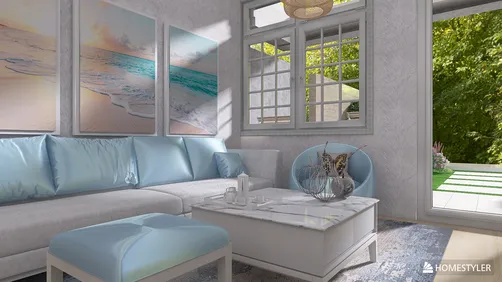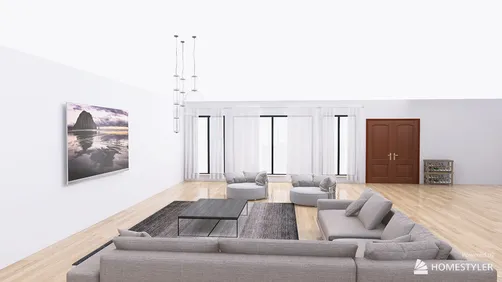
Having spent over ten years in interior design, I've observed a continuous rise in the popularity of the contemporary tan sofa in living rooms. These warm neutral shades seamlessly blend with minimalist aesthetics as well as cozy pile-ups, creating an inspiring yet safe choice for any space. Particularly in compact areas, such as small living rooms, I'm often prompted to explore innovative ideas regarding color, texture, and arrangement. In this article, I will share 10 concepts inspired by my own design experiences and the current trends favored by industry experts, integrating the versatile capabilities of Homestyler.
1. Minimalist Tan Sofa with Sleek Lines
Personal Insight: In one of my projects, a city loft, the understated tan sofa became a captivating center point. Its clean lines allowed the surrounding architecture to shine.
Advantages: It harmonizes beautifully with other minimalist furniture, creating an illusion of a larger space. Architectural Digest mentions that neutral bases effectively enhance the perceived dimensions of smaller rooms.
Disadvantages: The design can appear overly restrained unless accompanied by textures or accent hues.
Suggestion: Introduce a chunky knit blanket or an intricate patterned rug to add depth and warmth.
2. Textured Elements Surrounding a Tan Sofa
Personal Insight: In a recent client's apartment, we enlivened the space by pairing their sleek tan sofa with tactile items like linen cushions and a jute rug, creating a cozy yet uncluttered feel.
Advantages: Textures enrich warmth and complexity, preventing a flat appearance, and subtly enhance the modern tan sofa’s appeal.
Disadvantages: An excess of textures can create visual discord, especially in more confined living spaces.
Example: Combining leather with woven materials can yield a textured richness, paralleling minimalist kitchen designs that beautifully balance function with style.
3. Coordinated Earth-Tone Palettes
Personal Insight: I favor color schemes featuring clay reds, muted greens, and sandy whites, which embracingly complement the tan sofa while facilitating smooth transitions among furniture and wall colors.
Advantages: Earth tones evoke a timeless, serene atmosphere, allowing the sofa to blend smoothly into its surroundings.
Disadvantages: In the absence of contrasting elements, the space may lack vibrancy.
Suggestion: Incorporate a striking piece of artwork to enhance visual interest.
4. Glass and Illuminating Elements
Personal Insight: In a compact living area, installing a large glass coffee table near the tan sectional maximized openness and reflected natural light, contributing to an airy ambiance.
Advantages: Glass furnishings maintain unobstructed sightlines, crucial in small layouts.
Disadvantages: Glass elements can seem chilly without the addition of warm decorative items.
Tip: Softening the glass with warm wood accents or plush fabrics can create a balanced look.
5. Eye-Catching Accent Wall Behind the Sofa
Personal Insight: I enjoy applying a bold paint color or wallpaper on the wall behind a tan sofa, providing an immediate visual focal point.
Advantages: This approach creates focus and lends character to the main seating area.
Disadvantages: A highly contrasting wall treatment may dominate the space if not done carefully.
Suggestion: Opt for neutral colors on other walls to maintain a balanced visual appeal.
6. L-Shaped Tan Sofa for Versatile Spaces
Personal Insight: In open-concept apartments, I often position an L-shaped tan sofa to create a subtle division between living and dining areas.
Advantages: This design maximizes seating options and effectively delineates spaces without physical barriers. Houzz states that sectional arrangements promote social interactions in multifunctional settings.
Disadvantages: The L-shape can dominate a compact living room layout.
Example: Just as an L-shaped kitchen design optimizes counter space, an L-shaped sofa enhances your living room's functionality.
7. Blending Modern and Rustic Features
Personal Insight: Once, I combined a streamlined tan leather sofa with reclaimed wood side tables, creating an inviting mix of sophistication and coziness.
Advantages: This juxtaposition achieves a pleasing balance between sleek modernity and organic warmth.
Disadvantages: If the balance isn't maintained, rustic items could overshadow the modern elements.
Suggestion: Keep rustic decor accents to about 30-40% of the overall design to retain a modern aesthetic.
8. Multifaceted Lighting Design
Personal Insight: Lighting is paramount. In one project featuring a tan sofa, I layered floor lamps, sconces, and warm LED light strips to create an inviting and adaptable environment.
Advantages: A well-planned lighting arrangement caters to various moods and enhances the textures of fabrics and finishes.
Disadvantages: Multiple sources of light require careful planning to avoid glare or clutter in the space.
Tip: Choose warmer light temperatures to complement tan shades.
9. Striking Artwork Over the Sofa
Personal Insight: Bold artwork transforms the wall above a sofa into a gallery-like feature. I once hung an oversized black-and-white photo above a tan sectional, which significantly elevated the ambiance.
Advantages: It injects personality into the room and can link color accents, making the seating area a focal point.
Disadvantages: An oversized artwork might overwhelm smaller ceilings or walls.
Example: Much like how wood features warm up a space, artwork can infuse emotional warmth into your interior design.
10. Seasonal Styling Adjustments
Personal Insight: I love switching cushion covers, throws, and decorative items seasonally. This practice keeps the tan sofa adaptable without requiring extensive redesigns.
Advantages: This approach provides an economical refresh to your living room styling while maintaining a sense of novelty.
Disadvantages: Requires summer/winter storage solutions for off-season items.
Tip: Utilize vacuum-sealed bags for off-season textiles to maximize storage efficiency.
Conclusion
Having a small living room does not restrict your styling options; in fact, it encourages more intelligent and creative design choices. The modern tan sofa presents a versatile foundation that harmonizes with multiple aesthetics. As highlighted by Elle Decor, neutral seating can easily transition with evolving seasonal trends and personal lifestyle changes. Which of these 10 innovative ideas are you eager to implement first in your living space?
FAQ
1. Why is a tan sofa ideal for a modern living room?
The tan sofa provides a neutral foundation that harmonizes with a variety of color palettes while adding warmth to a contemporary setting.
2. What color schemes complement a tan sofa?
Earth tones, soft blues, and monochromatic accents blend wonderfully, according to color theory.
3. How can I make my tan sofa stand out?
Incorporate contrasting wall hues, statement pieces of art, or bold accent pillows to create striking visual appeal.
4. Is a tan sofa suitable for a compact living room?
Absolutely, especially when paired with lighter walls and smart furniture arrangements to optimize space.
5. Should I opt for fabric or leather for a modern tan sofa?
Leather provides a sleek, polished appearance, while fabric offers softness; choose based on your lifestyle and maintenance needs.
6. How can I style a tan sofa throughout the seasons?
Change out throws, cushions, and decorative accents with seasonal colors and textures to keep the look fresh.
7. What type of rug works best under a tan sofa?
A patterned rug in complementary shades anchors the area while reflecting the sofa’s personality.
8. How can I visualize my tan sofa layout?
Using design tools like Homestyler can significantly aid in planning layouts and visualizing spatial proportions.
Looking to transform your space? Homestyler is your go-to online home design platform! With its easy-to-use design tool, stunning 3D renderings, and a wealth of design projects and DIY video tutorials, you can effortlessly create and visualize your dream home. Start designing today!