In recent times, the trends in living room design have gravitated towards functional minimalism, where each element possesses both aesthetic appeal and utility. My extensive experience in redesigning compact living spaces has shown me that limited areas can be a wellspring of creativity. In this article, I will present 10 innovative TV stand ideas that incorporate my personal insights, practical design strategies, and data-supported findings while highlighting the benefits of Homestyler for visual planning.
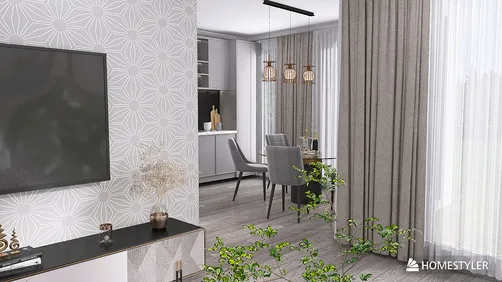
1. Minimalist Floating TV Stand
Personal Opinion: The floating TV stand creates an immediate sense of openness in the room. I once installed one for a client in a 20 square meter apartment, and they were astonished by the amount of floor space they conserved.
Advantages: The sleek lines align perfectly with minimalist aesthetics and raising the stand allows for discreet cable management and simplifies cleaning.
Drawbacks: Installation demands robust wall support, and it may not be suitable for very heavy equipment.
Suggestion: Combine it with a light-colored wall to enhance a breezy ambiance, and think about including soft LED backlighting for an inviting glow.
2. Rustic Wooden TV Console
Personal Opinion: Natural wood introduces warmth and texture. In one renovation, I paired reclaimed oak with matte black metal legs, resulting in a cozy and stylish focal point.
Advantages: Timeless durability and a welcoming ambiance make it compatible with both Scandinavian and farmhouse styles.
Drawbacks: More cumbersome to move and may need occasional refinishing to preserve its appearance.
3. Glass Panel TV Stand
Personal Opinion: Glass offers a subtle transparency that alleviates visual clutter. I employed this in a compact loft where every inch mattered, and it helped maintain a light atmosphere.
Advantages: It creates an illusion of spaciousness and pairs well with diverse décor styles.
Drawbacks: Fingerprint smudges are conspicuous, necessitating frequent cleaning.
This is why I frequently endorse glass elements in living spaces to enhance openness whenever feasible.
4. Industrial Metal Frame Stand
Personal Opinion: For those who appreciate an urban loft aesthetic, an industrial metal frame TV unit with open shelving is ideal. I crafted one for a bachelor’s pad in NYC, serving as both a display and storage for books and speakers.
Advantages: Sturdy construction makes it versatile for both modern and retro designs.
Drawbacks: It can lend a cold feel if not complemented by textiles or wood accents.
5. Built-in Wall Niche
Personal Opinion: This concept seamlessly integrates the TV into the wall, concealing wires and unifying it with adjacent shelves.
Advantages: Conserves floor space and fosters a seamless, modern look—ideal for smaller living rooms.
Drawbacks: Typically comes at a higher cost due to the required carpentry and can be inflexible for future TV relocations.
6. Retro Mid-Century Cabinet
Personal Opinion: I cherish mid-century cabinets with tapered legs and natural wood finishes. They evoke nostalgia without appearing outdated.
Advantages: Their classic design endures through decades, featuring practical storage solutions.
Drawbacks: Limited surface area for larger TVs and may necessitate reinforcement for modern technology.
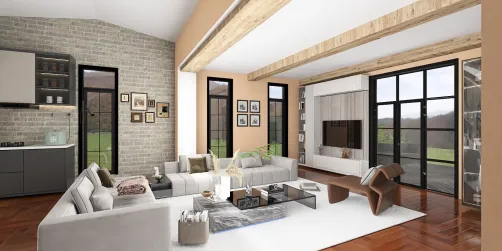
In a recent redesign, arranging L-shaped furniture around a mid-century stand enhanced both viewing comfort and social interaction.
7. Open Shelving Surrounding the TV
Personal Opinion: Rather than opting for a conventional stand, I’ve installed shelving that frames the TV, integrating it into a broader media wall or library.
Advantages: Provides ample storage for books, artwork, and plants while being customizable to varying ceiling heights.
Drawbacks: Requires meticulous styling to avoid a cluttered appearance.
8. Low-Profile Modern Stand
Personal Opinion: This design is perfect for ensuring a comfortable TV viewing angle without obstructing window views. I utilized this in a lakeside living room boasting splendid vistas.
Advantages: Preserves open sightlines and complements contemporary interiors.
Drawbacks: Offers less storage space compared to taller designs.
9. Convertible TV Storage Bench
Personal Opinion: Concealed storage is invaluable in compact homes. A bench-style TV unit can accommodate blankets, games, or seasonal décor items.
Advantages: Multifunctional, it’s perfect for studio apartments and doubles as extra seating.
Drawbacks: May be slightly less ergonomic depending on seating height in relation to TV height.
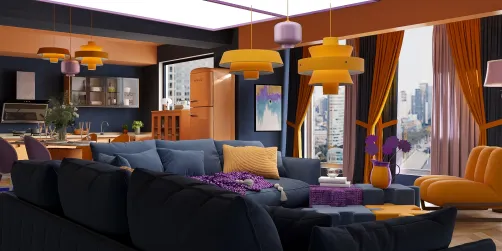
10. Statement Color TV Stand
Personal Opinion: A vibrant splash of color can be just the right touch for a neutral room. I once introduced a teal lacquered TV stand into a monochromatic space—what a transformation it made!
Advantages: Establishes a focal point and showcases personal style.
Drawbacks: It can overwhelm a room if not balanced with other elements.
A bold hue can dramatically enhance a space, similar to when I added a warm-toned custom piece to uplift a compact apartment.
Conclusion
In my perspective, small living rooms do not restrict style; rather, they require smarter, more inventive choices. Whether you favor a sleek floating design or a vibrant statement piece, the right TV stand can transform your space. Which of these 10 TV stand ideas would you be excited to try, perhaps using tools like Homestyler to visualize your choices?
FAQ
1. What styles are most suitable for compact living rooms? Minimalist floating stands, space-saving mid-century cabinets, and glass designs effectively maximize light and floor area.
2. What is the ideal height for a living room TV stand? Generally, the TV's center should align with eye level when seated, approximately 42 to 48 inches off the ground.
3. Can a TV stand also offer storage solutions? Certainly, many designs come equipped with cabinets or drawers to accommodate media, accessories, and other items.
4. Are built-in TV wall niches a worthwhile investment? For a streamlined aesthetic and optimal space utilization, yes—they're beneficial yet can be pricey and less adaptable.
5. Which materials are most durable? High-quality solid wood, tempered glass, and robust metal frames are known for their longevity, as emphasized by the National Association of Home Builders.
6. How can I discreetly conceal TV cables? Try wall-mounted cable channels, built-in conduits, or stands optimized with rear cable management systems.
7. Can AI tools assist in arranging TV stand positioning? Absolutely—platforms like Homestyler equipped with AI-driven interior design tools can help visualize various arrangements in your actual living space.
8. Which color TV stand is most compatible with various interiors? Neutral shades such as white, gray, and natural wood are versatile, but a striking color can serve as a unique statement if harmonized with the overall décor.
Looking to transform your home? Homestyler is your go-to online design platform! With an intuitive design tool, stunning 3D renderings, and a wealth of inspiring design projects and video tutorials, bringing your dream space to life has never been easier. Start designing today!