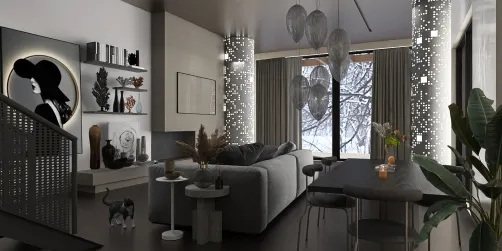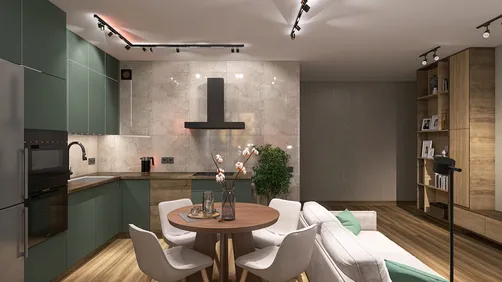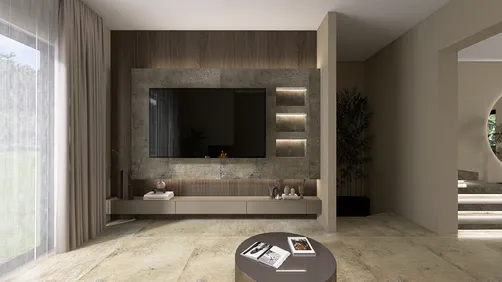
With over ten years in interior design, I’ve come to recognize a consistent trend in home decor: stylish, multifunctional furniture is highly sought after. This is particularly true in small living rooms, where our design decisions must effectively merge aesthetics with practical storage solutions. Small spaces often inspire significant creativity, and this article will explore that theme. Here are 10 innovative TV stand concepts for living room setups drawn from both my projects and expert insights, featuring the versatile Homestyler tool to visualize these options.
1. Sleek Floating TV Stand
My Perspective: In a recent project for a compact apartment, I incorporated a sleek floating TV stand that cleverly concealed wiring—resulting in a clean, uncluttered appearance. This design instantly enhanced the sense of space in the room.
Advantages: Ideal for limited spaces, simplifies cleaning, and establishes a contemporary look. This approach reflects the current trend toward Scandinavian-inspired interiors.
Disadvantages: Weight restrictions—might not accommodate heavier media devices. Additionally, secure wall installation is necessary.
Suggestion: Complement it with a matching wall-mounted shelf for decor display.
2. Rustic Wooden Stand with Storage Features
My Perspective: For a client who adored farmhouse aesthetics, we opted for a wooden TV stand boasting drawers and open shelving. It introduced warmth while providing ample storage for DVDs, gaming consoles, and books.
Advantages: Crafted from durable materials, offers a classic design, and effectively conceals clutter.
Disadvantages: Can be cumbersome to relocate and may not blend well with ultra-modern decor styles.
It’s reminiscent of how wood highlights can create a warm ambiance, even in small living settings.
3. Glass and Metal Fusion
My Perspective: I once designed an industrial loft that featured a glass-topped TV stand with matte black metal legs. This combination provided an open and airy vibe.
Advantages: Enhances the sense of spaciousness, easy maintenance, and suits both contemporary and industrial styles.
Disadvantages: Susceptible to fingerprint marks, and may break easily in households with children.
Suggestion: Use tempered glass to ensure safety and durability.
4. Corner TV Unit for Unusual Spaces
My Perspective: Corner units serve as practical solutions in irregularly shaped rooms. For a small studio, I installed an oak corner TV stand, which optimized the central area for seating.
Advantages: Makes effective use of often neglected corners, frees up floor space, and provides additional shelving.
Disadvantages: Limited decorative space, and may necessitate custom sizing for a flawless fit.
5. Low-Profile Media Console
My Perspective: During a modern high-rise project, we chose an elongated low-profile media unit that extended along one wall; it even functioned as extra seating during gatherings.
Advantages: Offers a sleek aesthetic, versatile functionality, and excellent for showcasing art above the TV.
Disadvantages: Provides less vertical storage, potentially leading to nearby clutter.
6. Integrated Electric Fireplace TV Stand
My Perspective: For a cozy winter atmosphere, I designed a TV stand featuring a built-in electric fireplace that became the focal point of the living area.
Advantages: Infuses warmth and atmosphere, serves as a striking center piece, especially in the colder months.
Disadvantages: Typically more expensive and requires proper air circulation around the unit.
Suggestion: Review the manufacturer’s safety distance guidelines.
7. Mid-Century Modern TV Stand
My Perspective: A walnut mid-century unit added retro charm to an urban apartment, with its angled legs creating a light visual impact.
Advantages: Enduring design, complements various decor styles, and has great resale potential.
Disadvantages: Generally lower in height, which may not fit all seating arrangements.
Mid-century elements can be elegantly integrated into a balanced open living layout.
8. Concealed Lift TV Cabinet
My Perspective: For a living space that also served as a guest room, I employed a lift cabinet that hides the TV when not in use—guests were enchanted by its functionality.
Advantages: Keeps the environment tidy and protects the screen from dust.
Disadvantages: Increased mechanical complexity and requires additional depth for TV storage.
9. Bookshelf and TV Stand Combination
My Perspective: I integrated a full bookshelf with a central TV mount in my own apartment, merging media and reading areas seamlessly.
Advantages: Fuses storage with display space, visually enhances wall space, and invites personalization through book collections.
Disadvantages: Can overwhelm smaller rooms if too bulky.
Suggestion: Opt for modular options that can adapt over time.
10. Mobile Cart TV Stand
My Perspective: In a flexible loft environment, I utilized a stylish rolling TV cart that could easily transition between living and dining zones.
Advantages: Unmatched flexibility, simple to move, and perfect for renters.
Disadvantages: Less stability compared to fixed units, and managing cables can be challenging.
This is akin to how adaptable room layouts can enhance functionality in compact homes.
Conclusion
In my experience, whether a living room is large or small, it represents an opportunity to design with intelligence rather than limitation. Selecting the perfect TV stand is more than merely supporting your television; it can enrich storage, enhance flow, and create a welcoming atmosphere. As highlighted by House Beautiful, multifunctional pieces are essential in contemporary homes. Which of these 10 innovative TV stand ideas for your living room do you envision trying out with the help of Homestyler?
Frequently Asked Questions
Q1: What’s the best TV stand option for small living spaces?
Floating TV stands are superb for compact areas as they free up floor space and make cleaning a breeze.
Q2: How tall should my TV stand be?
The center of the screen should align with eye level when seated, typically 42–48 inches from the floor is optimal.
Q3: Can I use a bookshelf as a TV stand?
Absolutely, many modular bookshelves can be customized and are particularly beneficial for both storage and display.
Q4: Are glass TV stands safe?
Tempered glass is both safe and strong, but avoid sharp edges if children are present.
Q5: Do corner TV stands effectively conserve space?
Certainly—they fit snugly into unused corners and open up central areas for more seating.
Q6: Which TV stand styles are currently in vogue?
Both mid-century modern and minimalist floating stands are popular for their clean lines and flexibility.
Q7: How can I conceal TV cables?
Utilize built-in cable management systems or wall-mounted channels to discreetly hide wires.
Q8: Can TV stands integrate into a broader room design?
Absolutely, incorporating TV furniture into an overall layout using design tools like Homestyler ensures harmony and flow throughout the space.
Homestyler is your go-to online design platform for transforming your home. With an intuitive design tool, stunning 3D renderings, a plethora of design projects, and helpful DIY video tutorials, you can effortlessly create and visualize your dream spaces—perfect for both beginners and seasoned designers!