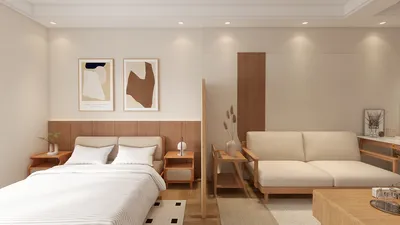


In recent years, the popularity of open concept living and dining room designs has soared, making it a highly desirable layout in modern interior design. As an experienced designer who has tackled numerous open-plan projects, I’ve discovered that smaller spaces often lead to the most innovative ideas. This article will outline 10 practical and inspiring suggestions for creating an inviting open living-dining area, drawing from both my professional experiences and expert recommendations, with the innovative design tool, Homestyler, as a key resource.
1. Emphasize Minimalist Furniture for Better Flow
My Experience: In a 35 sqm apartment design, we opted for low-profile sofas and slim dining chairs that kept the space feeling airy. This choice effectively enlarged the perception of the room while minimizing clutter.
Benefits: Minimalist furnishings enhance natural sight lines in an open living-dining arrangement. A recent report from Houzz reveals that streamlined furniture selections can boost the perception of space by up to 20%.
Drawbacks: However, some minimalist pieces may compromise comfort if not selected judiciously—guests might find seating options too firm for prolonged gatherings.
2. Use Area Rugs to Establish Distinct Zones
My Experience: In one particular project, I chose a striking patterned rug beneath the dining table and a subtler textured rug in the lounge area to efficiently distinguish the two spaces. The texture shift guides movement without the need for physical walls.
Benefits: Rugs visually separate zones while simultaneously adding warmth and character to the space.
Drawbacks: However, if the rugs feature overly contrasting colors or patterns, they could create a disjointed appearance in the overall room.
3. Incorporate Statement Lighting for Each Area
My Experience: Using elegant pendant lights over the dining table and a softly glowing floor lamp in the lounge area helped create a sense of purpose for each space. The lighting serves as a visual anchor.
Benefits: Defined lighting enhances ambiance while reinforcing spatial boundaries—essential in open living-dining layouts.
Drawbacks: Introducing various types of lighting can elevate budget concerns and may necessitate additional rewiring.
4. Consider Glass Partitions for a Touch of Separation
My Experience: In one project, I incorporated a slim glass divider between the sofa and dining chairs, maintaining natural light flow while subtly marking the boundary. This resulted in a modern and airy feel.
Benefits: Glass partitions enable visual continuity while preventing cooking odors or noise from circulating too freely.
Drawbacks: However, glass surfaces often require regular maintenance due to frequent fingerprints and smudges.
In addition, glass elements that allow the kitchen to remain open are a striking reference for those interested in this approach.
5. Adopt a Unified Color Palette
My Experience: In a coastal-themed layout, utilizing soft blues and sandy neutrals throughout both living and dining areas achieved a harmonious flow. This connection beautifully unified the visual narrative.
Benefits: A consistent color scheme seamlessly integrates the spaces, lending an intentional and cohesive feel to the open concept design.
Drawbacks: Excessive uniformity could lead to a monotonous atmosphere; consider adding accent pieces to invigorate the space.
6. Invest in Multi-Functional Furniture
My Experience: I'm particularly fond of dining tables that double as work desks, especially in apartments smaller than 50 sqm. Flexible furniture adapts to varying needs throughout the day.
Benefits: This approach saves both space and budget while accommodating diverse activities—ideal for compact open living and dining areas.
Drawbacks: However, it may require extra maintenance as surfaces are used for multiple purposes.
I’ve witnessed impressive results when L-shaped layouts create additional counter space, making it easier to merge dining and living functions into a single area.
7. Utilize Open Shelving as a Divider
My Experience: Implementing open bookshelves between the dining table and sofa provided both storage and display capabilities—effectively creating separation without erecting walls.
Benefits: This solution enhances storage while adding personality to the space, allowing guests to admire your books or decorative items from both sides.
Drawbacks: Open shelving demands meticulous styling, or it risks making the area appear cluttered.
8. Experiment with Different Ceiling Treatments
My Experience: In a past project, I chose timber slats above the dining area and smooth white plaster for the lounge, subtly differentiating the overhead spaces.
Benefits: Varied ceiling treatments direct the eye, clarify spatial functions, and contribute to architectural interest.
Drawbacks: Installation could be invasive and may require structural considerations.
9. Strategically Position Furniture
My Experience: Placing the back of a sofa toward the dining table naturally delineates areas without introducing obstacles. This strategy is cost-effective and easy to execute.
Benefits: Thoughtful arrangement can give a sense of distinct "rooms" within a single open space.
Drawbacks: Conversely, this arrangement may limit layout flexibility when rearranging furniture.
Occasionally, incorporating wooden elements can introduce warmth, enhancing this layout beautifully.
10. Create Accent Walls for Visual Interest
My Experience: An eye-catching accent wall in the dining area introduces character while maintaining a calm atmosphere in the living space. This simple yet striking visual cue is extremely effective.
Benefits: This approach provides a cost-efficient means to distinguish each area within an open floor plan.
Drawbacks: Selecting inappropriate colors could overpower the space or clash with existing furniture.
Conclusion
Designing an open concept living and dining room revolves around intelligent, purposeful choices rather than limitations. The objective is to strike a balance between flow and functional zoning. As mentioned by Architectural Digest, exceptional open spaces are versatile, inviting, and unified. Which of these 10 strategies would you love to implement in your own home? Tools like Homestyler can help visualize these concepts effortlessly.
FAQ Section
Looking for an easy way to design your dream home? Homestyler offers a user-friendly online design tool, stunning 3D renderings, and a wealth of DIY video tutorials. Explore endless design projects and transform your space effortlessly—perfect for both beginners and seasoned designers!
Design Now for FREE
































