The future of residential living is increasingly focusing on resilient, biophilic designs, while current challenges persist with energy inefficiency, disorganized storage, and fragmented daily routines. According to Zillow, properties that emphasize flexible layouts and natural materials tend to garner significantly higher interest—demonstrating that 2-story log cabin floor plans are not merely a nostalgic design choice; they are evolving to meet modern needs. As we look ahead, I'm actively crafting designs that embrace innovative concepts like thermal logic, modular circulation, and social connectivity, using tools such as Homestyler to materialize these visions.
A toolkit for understanding spatial dynamics.
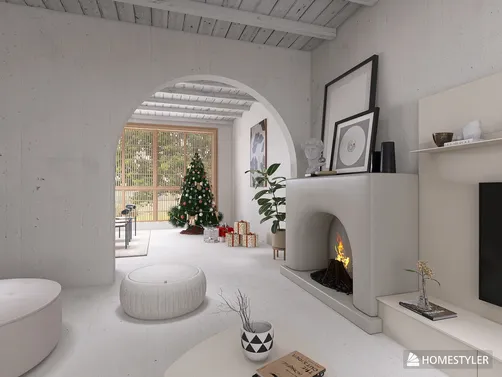
Stacked Hearth Core
Design Logic: A prominent double-height hearth serves as an anchor for both levels, bringing together thermal mass and creating community spaces. In an era where remote work is becoming the norm, this central core functions as an analog server—providing heat, light, and a gathering spot all in one location.
Flow: The layout progresses from entry → mudroom buffer → open living loop → stair adjacent to hearth → loft landing → surrounded by bedrooms. This compiled path reduces cold areas and minimizes cognitive dissonance.
Sightlines: From the entryway, the fire pit is the focal point; the loft guardrail offers expansive views to the outside, creating layered visual cues: nearby tasks contrast with distant vistas.
Storage: Deep built-in units flanking the hearth serve as storage for wood, equipment, and linens—high-density solutions that promote low clutter—with additional seasonal storage conveniently located under the stairs.
Furniture Fit: Seating arrangements respect the fire's safety radius; dining areas align with bay windows; loft desks are designed to fit within 48-60" modules, ensuring smooth circulation.
Verdict: This design stabilizes both climate and mental focus. Looking ahead five years, it accommodates hybrid work, leisurely evenings, and energy-conscious living, all while maintaining visual harmony.
save pin
Split-Gable Circulation
Design Logic: The two offset gables create a balance between public and private spaces, ensuring versatility for multi-generational living. The rhythmic structure guides the layout without competing with the integrity of the log exterior.
Flow: Movement through the home follows a logical sequence—porch → vestibule → kitchen spine → stair pivot → upper sleeping area → secondary loft space. The paths are clear and direct, avoiding dead ends.
Sightlines: The kitchen prioritizes views of the porch and tree canopy; upstairs windows blend privacy with expansive sightlines, creating a calming atmosphere that reduces decision fatigue.
Storage: Knee-wall drawers tucked in eaves, a pantry cabinet at the spine, and exterior bench storage all position practical storage close to where it's needed, rather than in a single cumbersome location.
Furniture Fit: The table setup aligns with gable rhythms; circulation lanes are carefully maintained at 30"; bunk sizes accommodate the depth of the eaves, ensuring that future modifications do not disrupt the flow.
Verdict: The split-gable design adapts like modular code, effortlessly accommodating lifestyle changes—guests, equipment, and quiet moments—without requiring a complete redesign.
save pin
Lofted Studio + Quiet Wing
Design Logic: A lofted studio sits above the main living area, while a serene bedroom wing is tucked away behind it. The emerging trend is to separate work and living spaces vertically rather than horizontally, emphasizing efficient use of square footage.
Flow: The pathway runs from entry → living gallery → stair to studio → sliding door leading to bedroom hall → bath clusters. This structured route minimizes cross-traffic, creating a streamlined flow.
Sightlines: The studio overlooks both the living area and the tree line; sightlines are staggered to reduce screen glare while allowing evening light to frame daily rituals.
Storage: A grid wall in the studio for tools and archives, reach-in closets in the bedroom wing, and an accessible attic hatch for seasonal items—these all emphasize quick access and low retrieval times.
Furniture Fit: Studio benches are designed in 24" segments; living spaces are arranged to ensure fire safety; beds are centered to align with window views—every element is coordinated with the balance of logs and light.
Verdict: This layout allows for quiet focus while keeping creative energy accessible. Five years from now, it will support craftsmanship, relaxation, and thoughtful hospitality.
save pin
Final Takeaway
2-story log cabin floor plans function as dynamic interfaces, integrating heat, light, and movement in sync with human patterns and evolving work habits. Variants like loft cabins, split-gable layouts, and double-height hearth homes illustrate how thoughtful spatial design can lead to more serene days and effective nights. Ultimately, the most intelligent cabins of the future will not necessarily be larger, but more intentional, and through using Homestyler, I've observed firsthand how minor spatial choices can profoundly impact daily living.

Homestyler is an exceptional online home design platform perfect for anyone looking to transform their space. With its user-friendly design tool, stunning 3D renderings, inspiring design projects, and comprehensive video tutorials, you can effortlessly create and visualize your dream home. Dive into your design journey today!
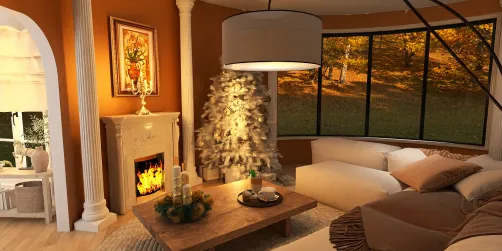



















![Design [4]](https://hs-designs.homestyler.com/production/design/images/07c2de3a-88ec-4be8-8910-ff255b795bc2/1731419398293/7841697.jpg?x-oss-process=image/resize,w_502,m_mfit/format,webp)