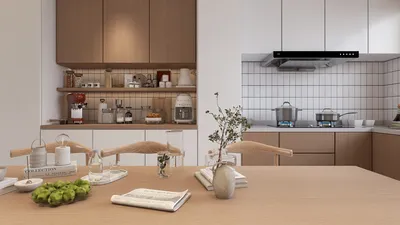


Last year, one of my clients posed a challenging question about fitting a six-seater dining table, a full island, and a pantry into her compact 5x3m kitchen. Initially, I was taken aback, but this inquiry ignited a burst of creativity during one of my most inspiring project weeks. When it comes to designing small spaces, particularly kitchens, you are often compelled to think outside the box. Today, I'm excited to share ten innovative small kitchen extension ideas I've successfully implemented, which could help you maximize the potential of your space effectively.
1. Embrace Glass Walls
Replacing a solid wall with a glass sliding door can seamlessly merge your kitchen with the garden, allowing natural light to flood in while visually expanding the room. Just be mindful of the custom glazing costs; it's worthwhile for those who frequently cook and entertain.
2. Incorporate Outdoor Elements
I once transformed a covered patio into a charming breakfast nook by laying down insulated flooring and installing large bi-fold doors. This approach is an economical way to increase space without a full renovation. You might find tools like Homestyler's room planner quite useful for visualizing this before beginning any work.
3. Expand Vertically, Not Horizontally
Raising the ceiling or adding skylights can significantly enhance the volume of a small kitchen. Implementing vertical storage solutions, double-stacked cabinets, and hanging pot racks can effectively utilize your existing space without encroaching on outdoor areas.
4. Choose Pocket Doors
Traditional hinged doors can consume valuable square footage. By opting for pocket or barn doors, you can instantly enhance the flow of movement, particularly in U-shaped or galley kitchens.
5. Utilize Side Return Extensions
This method is a preferred choice in the UK for expanding Victorian terraces; it allows for lateral extension into often-unused alley space. You can gain extra width for counters or an island while preserving your rear garden area, though it’s essential to consider the cost of any structural work involved.
6. Opt for a Minimalist Peninsula
If you envision an island but have limited space, a slim peninsula attached to a wall or cabinet could be an ideal compromise. When effectively designed using Homestyler, a versatile layout planner, it can serve as both preparation space and a breakfast bar.
7. Add Integrated Dining Benches
In narrow settings, banquette seating along a wall can be a game changer. Not only does it maximize space with hidden storage beneath the seats, but its lower profile also helps maintain an airy feel, unlike bulky chairs.
8. Invite Light from Above
Installing roof lanterns and skylights can infuse even a modest kitchen extension with a sense of luxury. However, it’s important to consider heat retention during summer months—blinds or UV glazing could be beneficial planning features.
9. Create a Compact Utility Zone
In a past project, I cleverly integrated a laundry area within a kitchen extension by positioning a tall cabinet to conceal appliances. Using an efficient kitchen layout planner helped me establish the right clearances without wasting valuable space.
10. Implement Open Shelving in Corners
Replacing traditional corner cabinets with stylish open shelving contributes to a spacious feel and adds character to your extension. Just remember, this choice requires a commitment to regular cleaning and organization—it's not ideal for those who prefer a more casual approach to tidiness.
FAQ
1. What is the typical cost of a small kitchen extension?
Costs vary significantly depending on location, dimensions, and materials. In the UK, standard rates range from £1,500 to £3,000 per square metre, as reported by RICS data.
2. Is planning permission necessary?
Many small extensions are considered permitted development, but it’s crucial to verify the regulations with your local authority before proceeding with construction.
3. What layout works best for a small kitchen extension?
L-shaped layouts with an island or galley configurations are effective, depending on the room’s width and access points.
4. How can I make my small extension appear larger?
Utilize light colors, reflective surfaces, and abundant natural light through glazed doors or skylights for an open feel.
5. Is open shelving a practical choice in kitchens?
Absolutely, as long as you maintain order and cleanliness. It's a stylish option that works best for displaying curated dishware.
6. Can I merge my kitchen extension with a dining space?
Definitely—a banquette or peninsula can seamlessly integrate dining options without overwhelming the area.
7. Are skylights pricey?
Yes, especially if customized. It’s important to account for installation and any structural modifications that might be required.
8. What tools can assist in planning my extension?
A multitude of online planners is available; for instance, Homestyler provides a robust room planner that helps generate accurate 3D layouts to explore ideas before you make any commitments.
Discover the joy of home design with Homestyler! This user-friendly platform offers an intuitive online design tool, stunning 3D renderings, and a wealth of design projects. Plus, with DIY video tutorials, you can easily create the home of your dreams—no experience necessary!
立即免费设计
































