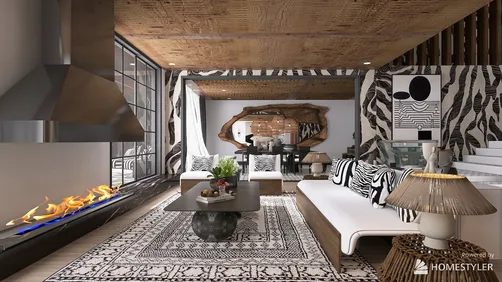
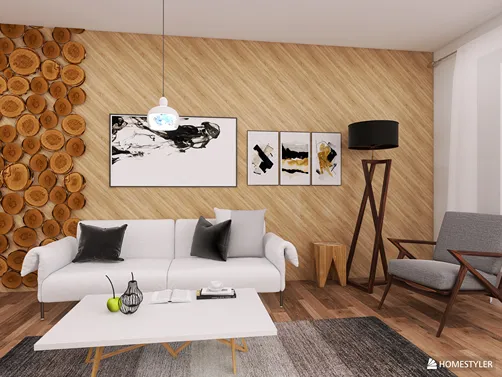
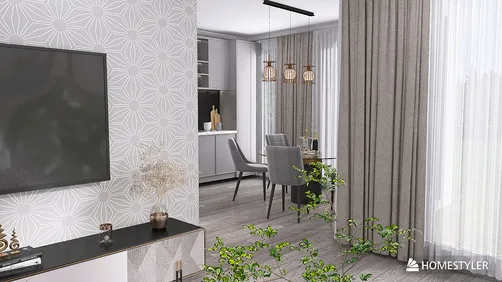
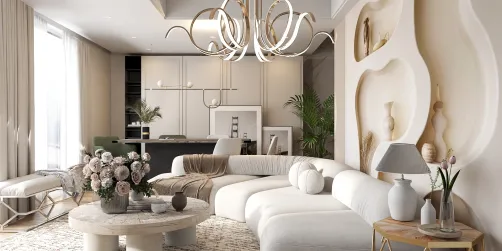
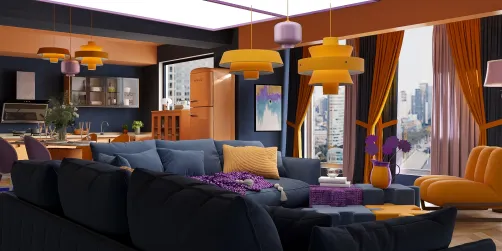
As an interior designer with years of experience, I have observed a significant trend towards open-plan living, particularly in compact apartments. Personally, I find that small spaces encourage substantial creativity—some of the most innovative design solutions arise from utilizing every square inch effectively. In this article, I will present 10 meticulously curated open-plan living room ideas, fusing insights from my design projects with professional data. By the end, you'll be inspired to revamp your space with fresh ideas, including the use of Homestyler to visualize your design.
1. Streamlined Storage Options
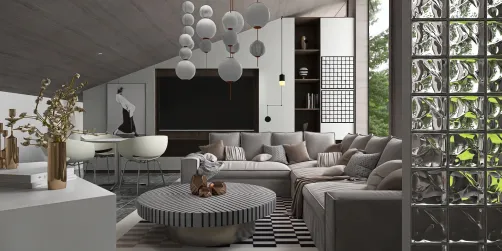
My Experience: I once updated a 30-square-meter studio where a simple wall-mounted storage solution maximized floor space, keeping the room uncluttered. This minimalist strategy gave the interior an airy ambiance.
Advantages: Minimalist storage not only maintains an organized appearance but also makes the living room appear larger. Incorporating concealed cabinets into the wall results in a cohesive look, as supported by the 2023 Houzz interiors report, a technique that can be effectively modeled using Homestyler.
Disadvantages: The limitation is in storage space; you might need to make tough decisions about decluttering, making it less suited for those who prefer showcasing numerous decorative pieces.
Suggestion: It's beneficial to implement minimalist storage within your open-plan design early on, ensuring it integrates seamlessly with both furniture and lighting.
2. Glass Walls to Enhance Light Flow
My Experience: In a recent one-bedroom project, I installed a slim glass wall with black framing separating the living area from the bedroom. This setup felt both private yet connected, allowing natural light to circulate freely.
Advantages: Glass partitions create division while facilitating light passage, making the area feel more expansive. They introduce a modern industrial aesthetic.
Disadvantages: Regular cleaning is necessary to keep them clear, and they offer minimal sound insulation, so privacy is primarily visual.
3. Versatile Furniture Solutions
My Experience: I can't recall how many sofa beds I've recommended in small-space projects—they're invaluable in open-plan living rooms for accommodating guests or simply relaxing.
Advantages: Items designed for multiple functions, such as an ottoman with hidden storage, decrease clutter and optimize space utility. This aligns with the organization strategies highlighted by Apartment Therapy.
Disadvantages: Occasionally, multifunctional furniture emphasizes utility over comfort, meaning you may find sofa beds lacking the plushness of traditional sofas.
4. Cohesive Flooring Across Areas
My Experience: In a studio I worked on in 2022, uniform oak flooring throughout helped visually link the kitchen, dining, and lounge areas, creating a spacious feel within its 30 square meters.
Advantages: Uniform flooring minimizes visual interruptions, boosting the sense of connection. Lighter floor tones can also increase brightness in smaller areas.
Disadvantages: Repairing or replacing specific sections may be more complex compared to varied flooring. Additionally, cooking spills can impact the longevity of wood.
Suggestion: When merging living and kitchen spaces, consider durable materials like engineered wood or high-quality laminate that can resist wear.
5. Layering Light Sources
My Experience: For a compact open-plan condo, I layered pendant lights above the dining area and used recessed lighting in the lounge—practical and cozy for evening use.
Advantages: Different types of lighting (ambient, task, and accent) allow adjustments for various moods and activities. Proper lighting techniques can fundamentally enhance small living room concepts, which can be easily modeled in Homestyler.
Disadvantages: Inadequate electrical planning can complicate the addition of layered lighting without exposing wires.
Suggestion: Implement dimmer switches to effortlessly shift between bright settings and cozy atmospheres in your living space.
6. Low-Profile Seating Options
My Experience: I frequently select low sofas and armchairs in compact open layouts, as they help maintain clear sight lines and give the impression of higher ceilings.
Advantages: This style visually expands the area, complementing both modern and Scandinavian designs beautifully.
Disadvantages: Low seating can be challenging for some to navigate and may not be the best fit for households with elderly members.
Suggestion: Select upholstery that meshes well with both the living and dining zones for a unified aesthetic.
7. Using Rugs to Define Spaces
My Experience: I once implemented a geometric rug under the sofa to subtly delineate it from the dining area, achieving separation without erecting walls.
Advantages: Rugs create visual boundaries, add warmth, and allow for layering patterns and colors.
Disadvantages: In bustling areas, rugs may slide or bunch up; consider non-slip options.
Suggestion: Opt for bold patterns on rugs if the larger furniture remains neutral to avoid overwhelming the space.
Creating zones with textures can be enriched by thoughtful rug placement during the initial planning phases.
8. Utilizing Vertical Storage and Displays
My Experience: In small open living rooms, tall shelving units can draw the eye upwards and offer generous storage while minimizing floor space usage.
Advantages: They maximize unused vertical layouts; ideal for displaying books, plants, and other decorative items, and support ergonomics for accessible daily items.
Disadvantages: If overstuffed, these units can become visually overwhelming. Regular dusting of higher shelves can also be a hassle.
9. Incorporating Natural Elements for Warmth
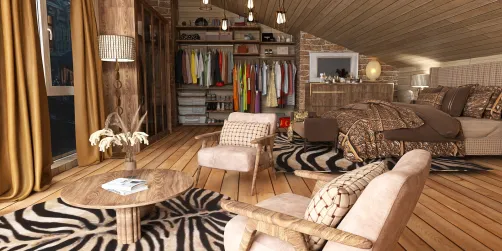
My Experience: In one renovation, I introduced oak tables and linen drapes, promptly making the open-plan area feel more inviting.
Advantages: Natural materials like wood, cotton, and stone introduce warmth and texture, balancing the sleek modern styles effectively.
Disadvantages: These materials generally require more maintenance and can be affected by humidity or stains.
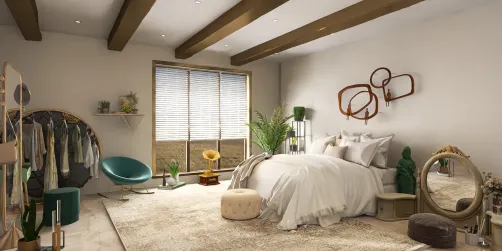
Suggestion: Use cohesive wood finishes throughout various areas to unify and add warmth to living and kitchen spaces.
10. Creating Focal Points with Art
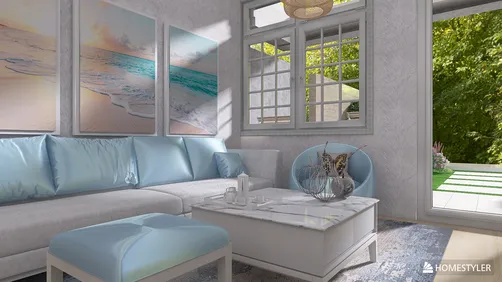
My Experience: In smaller layouts, a single large piece of art or a gallery wall can anchor the living space while diverting attention from its limited size.
Advantages: Art adds personality and serves as a visual draw; it is relatively low-cost compared to fundamental structural changes.
Disadvantages: Careful consideration is required in terms of scale to avoid overwhelming the environment; bold colors may clash with other design elements.
Suggestion: Utilize paper templates to experiment with different placements before making permanent commitments.
Conclusion
Small open plan living rooms may seem limiting, but they inspire us to design with more intention. Combining multifunctional furnishings, vertical storage, consistent materials, and layered lighting can create a space that feels expansive, inviting, and perfectly suited to your lifestyle. As noted in the American Society of Interior Designers’ trend report, the movement towards small-space living will continue to fuel creative solutions. Which of these ideas resonates with you?
FAQs
1. What are some effective ideas for small open plan living rooms?
Incorporating multifunctional furniture, maintaining consistent flooring, and defining zones with rugs are widely favored solutions.
2. How can I create the illusion of a larger small open plan living room?
Using light colors, glass partitions, and low-profile seating are beneficial techniques for enhancing spaciousness.
3. Are rugs suitable for creating zones in open plan layouts?
Absolutely, rugs can define areas without structural alterations while adding a cozy ambiance.
4. What are the drawbacks of using glass partitions?
They necessitate regular cleaning and provide limited sound insulation.
5. What should I consider when selecting lighting for a compact open plan living room?
Employing layered lighting techniques—utilizing ambient, task, and accent sources—fosters flexibility and creates a pleasing atmosphere.
6. Is it appropriate to use natural materials in an open plan setting?
Certainly, they enhance warmth and texture, but may require additional maintenance (the trend of natural finishes is growing, as noted by ASID).
7. Should the flooring be consistent in small open-plan designs?
Uniform flooring can unify different areas, lending a more spacious appearance. However, it’s important to consider moisture resistance in the kitchen.
8. How can I incorporate storage without cluttering my living area?
Yes, you can utilize vertical shelving or minimalist wall-integrated designs that echo custom layouts powered by AI to maximize every nook.
Discover the joy of home design with Homestyler! This user-friendly online platform offers a powerful design tool, stunning 3D renderings, and a wealth of inspiring design projects. Plus, with helpful DIY video tutorials, you’ll have everything you need to create your dream space effortlessly!