Quick Insights
The Need for a Fresh Approach to Office Wall Decor
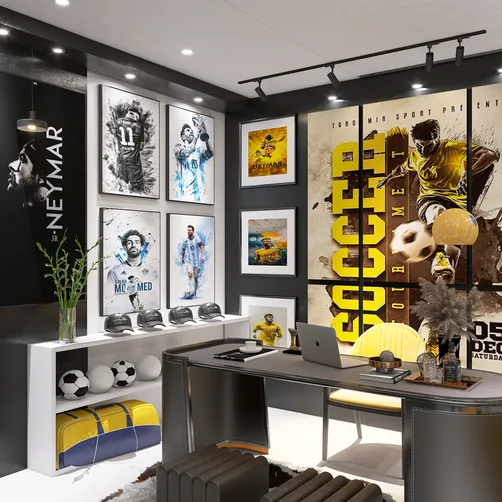
While many recommendations for office wall decor prioritize visual appeal, I believe the true innovation lies in harmonizing your visual storytelling with your business objectives. The influence of thoughtfully designed workplaces is profound, significantly enhancing employee productivity and satisfaction. I have observed that environments highlighted by well-chosen artwork and interactive surfaces transform team dynamics, fostering better brainstorming and collaboration. This strategic focus on measurable outcomes—like retention, productivity, and wellness—breaches what conventional guides often overlook.
How Does Office Wall Decor Influence Productivity?
According to research from Harvard Business Review, engaging visuals, such as motivational boards and art pieces, can boost perceived productivity by as much as 17%. Effective visual elements serve as mental resets that promote concentration and creativity. Features like expansive whiteboards or magnetic surfaces enhance real-time teamwork, especially valuable in hybrid work models. Thus, design goes beyond mere aesthetics; it plays a crucial tactical role.
Can Wall Decor Contribute to Workplace Wellness?
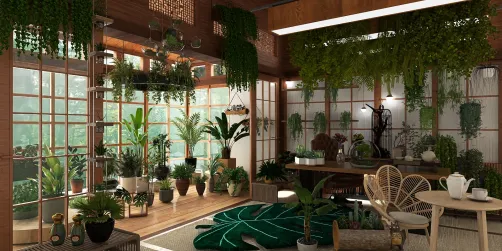
Incorporating natural design elements—an aspect of biophilic design—can alleviate stress and elevate overall workplace satisfaction. Imagine opting for living plant walls or nature-themed imagery rather than generic inspiration posters. Data from Statista indicates that offices infused with greenery experienced a 15% reduction in employee burnout last year compared to bland wall spaces.
Why Is Personalization Key in Office Wall Decor?
Unlike standardized designs, customized decor cultivates a sense of community among employees. Features like rotating photo displays, local artwork, or team input on design empower individuals. This freedom in personal expression resonates with findings from ArchDaily, which link employee engagement to greater customization opportunities in workspace environments.
Which is More Effective: Minimalism or Maximalism in Offices?
Consider this unconventional perspective: hybrid spaces can benefit from a form of selective maximalism that stands in contrast to the minimalistic trends favored by many. It isn't about creating clutter but about layering narratives. Well-curated gallery walls or project timeline murals can tell the story of your brand or objectives, providing meaningful context and motivation.
What Hidden Costs Should You Consider for Office Wall Art?
The costs associated with art rental, custom murals, and frequent redesign often go unnoticed. Opting for durable, modular decor—such as interchangeable panels or easy-care materials—strikes a balance between flexibility and cost-efficiency, in contrast to expensive, maintenance-heavy trends.
How Can Smart Technology Enhance Wall Decor?
Incorporating technology like smart displays or AR-driven installations turns ordinary walls into dynamic planning centers. Think about motion-sensitive digital whiteboards or screens dedicated to updates and dashboards. This tech integration is increasingly recognized in adaptive workspaces that embrace recent innovations in office flexibility.
Summary of Key Points
Office wall decor should evolve beyond superficial aesthetics, aligning with corporate culture, wellness initiatives, and smart technology to yield genuine returns on investment. Emphasizing personalization and modularity creates a more enduring impact compared to off-the-shelf styles.
Which Wall Colors Best Facilitate Focus?
Understanding color psychology is crucial: cool hues like blue and green promote calmness, while warmer shades invigorate. Pairing neutral walls with vibrant highlights maintains adaptability for shifting team dynamics.
How Must Office Decor Evolve with Changing Work Patterns?
As more offices adapt to flexible designs, decor must also be versatile. Removable panels, movable art, or fabric banners enable quick zone reconfigurations. This adaptable approach supports various settings, from quiet pods to collaborative hubs, as suggested by experts in spatial adaptation.
Frequently Asked Questions
What type of wall decor enhances focus in offices?
Art featuring cool tones, peaceful nature scenes, and modular whiteboards assists in maintaining concentration in bustling team spaces.
Is office wall art tax-deductible?
Many regions permit the deduction of decor that enhances brand image or wellness. Always consult local tax regulations for clarity.
How often should office wall decor be refreshed?
Most organizations find that an annual update helps them remain current and responsive to employee feedback or changes in the workplace.
Does personalized decor truly impact productivity?
Absolutely—custom artwork and team displays have been shown to correlate with elevated engagement and reduced turnover according to ArchDaily research.
What tipo of decor fosters better collaboration?
Interactive boards, writable surfaces, and gallery showcases of ongoing projects ignite group engagement and enhance creative thinking.
Should all office walls be adorned with decor?
Not necessarily; strategically placed blank spaces can provide visual respite and promote mindfulness, particularly in high-traffic areas.
Are digital screens as effective as traditional art prints?
When used carefully, screens can deliver real-time updates and recognize achievements, but should not replace tangible art pieces.
Which style is most effective: branded, abstract, or natural?
A combination of styles is typically most effective: branding connects with culture, abstract art sparks creativity, and natural elements promote wellness. Balancing these prevents visual strain.
References
Homestyler is your go-to online platform for effortless home design. With its user-friendly design tool, stunning 3D renderings, and a treasure trove of DIY video tutorials, you can easily create and visualize your dream spaces. Unleash your creativity today!