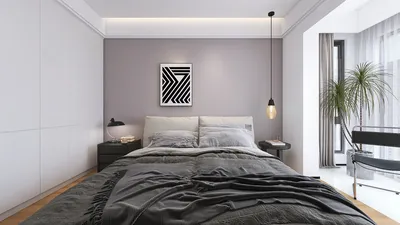


I had a client once who wanted to fit a yoga mat, a seating area for six, and a dense collection of plants within just 12 square meters — quite the challenge! This unusual request motivated me to think creatively: I drew overlapping zones, integrated storage into benches, and experimented with various interactive office layout examples until I achieved a satisfying flow.
1. Adaptive Desk Configurations
I enjoy combining bench desks with several adjustable solitary stations, allowing teams to switch between focused work and collaborative sessions. This approach is both cost-effective and promotes social interaction, but it necessitates efficient cable management and a shared storage strategy to prevent clutter.
save pin
2. Emphasis on Natural and Layered Lighting
Maximize natural daylight while incorporating layered task and ambient lighting to mitigate harsh screen glare. This small-budget enhancement can significantly uplift mood and productivity; however, investing in high-quality fixtures is essential to avoid flickering and uneven illumination.
save pin
3. Discreet Storage Solutions
Incorporating built-in cabinets, bench seating with hidden compartments, and vertical pegboards helps maintain clean surfaces and functional walls. For those who prefer visualizing layouts before finalizing decisions, using 3D layout tools — particularly through platforms like Homestyler — can help identify flow and storage accessibility, catching errors early and saving on costly revisions.
save pin
4. Incorporating Greenery and Biophilic Design
Integrating plants, a moss wall, or a simple shelf of potted greenery can soften modern design lines while enhancing air quality and overall well-being. The key challenge is maintenance; opt for low-light tolerant plants for interior spaces and establish an easy watering routine or explore self-watering options.
save pin
5. Innovative Tech Spaces and Privacy Pods
Establish small acoustic pods or glass meeting spaces for calls, while keeping open areas for teamwork; ensure you include charging stations and wireless presentation tools. For rapid iterations, I sometimes utilize AI design mockups, such as those offered by Homestyler, to quickly explore multiple layout configurations, which accelerates decision-making but requires well-crafted prompts to be effective.
save pin
Frequently Asked Questions
Q: How do I select colors for a modern office?
A: Begin with a neutral foundation and introduce one or two accent colors that align with your brand or desired ambiance. Moderating contrast is crucial for reducing visual strain, and it’s advisable to test paint samples under various lighting conditions.
Q: What is the optimal lighting arrangement for productivity?
A: Aim to combine natural light with adjustable task lighting and warm ambient fixtures; angle screens to minimize glare. Dimmable LED lights provide flexibility for an array of work styles.
Q: How much space should be designated per employee?
A: Ideally, allow for 6–10 square meters per person in contemporary flexible offices, influenced by available shared amenities and meeting spaces. Ensure enough circulation space and acoustic separation if you lean toward the lower end of that range.
Q: Do the benefits of plants justify the maintenance?
A: Definitely—plants contribute to improved air quality and wellness, so choose low-maintenance options like pothos or snake plants if care cannot be regularly assigned. For larger setups, consider professional plant care services.
Q: What strategies can make small offices appear less cramped?
A: Implement vertical storage solutions, clear partitions, and multifunctional furniture to enhance sightlines and increase the perception of space. Mirrors and consistent flooring can also visually widen the area.
Q: Is investing in ergonomic furniture worthwhile?
A: Absolutely — focusing on ergonomics reduces injury rates and enhances comfort; prioritizing adjustable chairs and sit-stand desks is key. Even a modest investment in quality seating can greatly impact employee well-being.
Q: Are there safety or ergonomic standards to consider?
A: Yes, adhering to established guidelines from organizations like OSHA (https://www.osha.gov/ergonomics) for workstation setup and ergonomic practices can minimize musculoskeletal risks. These resources offer clear, evidence-based recommendations for office designs and furniture selections.
Q: How can I evaluate a new layout prior to renovation?
A: Create mockups with tape on the floor, utilize lightweight furniture for movement, or employ visualization tools to analyze flow and sightlines; I also suggest examining several case studies in real-life settings before making final choices.
save pin
Discover Homestyler, the ultimate online home design platform! With its user-friendly design tool, stunning 3D renderings, and a wealth of design projects and video tutorials, you can effortlessly transform your space and unleash your creativity. Perfect for both beginners and seasoned designers alike!
Design jetzt kostenlos
































