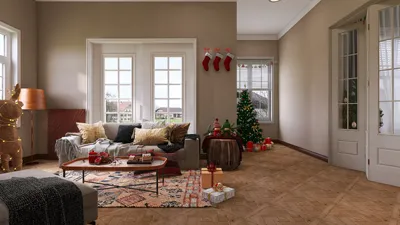


In the last ten years, I've observed a subtle yet prominent rise in the popularity of mint green as a favored color for crafting serene and refreshing living spaces. As I frequently advise my clients, smaller areas often ignite the most imaginative design solutions—mint green is particularly advantageous here, as it introduces a sense of airiness without feeling overpowering. This article will present ten innovative mint green living room concepts that intertwine my professional insights with research-driven advice. You'll discover practical layouts, material recommendations, and share some of my personal anecdotes along the journey.
1. Mint Green Minimalist Accent Wall
My Experience: In one of my first urban apartments, the space barely accommodated a sofa and a coffee table, yet just one mint green accent wall transformed the area to feel spacious and serene. This touch of color permitted me to maintain neutral tones throughout without appearing monotonous.
Advantages: Adds depth without making the room feel smaller; pairs seamlessly with light wood or white materials; complements minimalistic trends effectively in compact living areas.
Disadvantages: Excessive mint on all walls can render a chilly ambiance in dimly lit spaces—finding the right balance is essential.
2. Built-In Shelving in Mint Green and White
My Experience: I once created a cozy reading nook where we painted the back of white built-in shelves mint green. This subtle choice enhanced the presence of every book spine and decorative item displayed.
Advantages: Introduces visual depth; emphasizes showcased items; suitable for both contemporary and traditional interiors.
Disadvantages: Necessitates careful painting techniques; built-in solutions can require a more significant investment.
3. Mint Green Sofa in Scandinavian Design
My Experience: A client enamored with Nordic design opted for a mint green fabric sofa in their petite condominium. This choice against pale oak flooring made the space feel as refreshing as a spring morning.
Advantages: The soft hue interacts beautifully with natural light; easily complemented with gray or blush accents.
Disadvantages: Certain fabrics may stain easily—choosing removable covers is advisable.
Tip: For similar open layouts, explore my Scandinavian living room study for insights on proportions.
4. Textured Rugs in Mint Green
My Experience: In a small studio apartment, I utilized a mint green woven rug to effectively separate the seating area from the dining space without erecting barriers.
Advantages: Provides comfort underfoot; demarcates distinct activity zones in open designs; adds a subtle touch of color.
Disadvantages: Lighter shades may show dirt more easily—selecting a patterned weave can help disguise it.
5. Mint Green Curtains for Gentle Light Filtering
My Experience: I adore how sheer mint green curtains can subtly color daylight, creating a warm, spa-like afternoon glow.
Advantages: Softens harsh sunlight; maintains privacy while allowing light in.
Disadvantages: Sheer materials may offer less privacy at night; might not appeal to those who prefer complete darkness.
6. Mint Green Armchairs in Mid-Century Style
My Experience: In a retro-themed loft, we integrated mint green armchairs with walnut side tables, drawing inspiration from late 1950s aesthetics.
Advantages: Introduces a lively yet elegant color contrast; pairs nicely with metallic accents.
Disadvantages: The bold design of armchairs may limit furniture rearrangement options.
Case Study: Check how we optimized space using a mid-century layout plan for balance and proportion.
7. Mint Green and Brass Light Fixtures
My Experience: I found vintage pendant lights with mint green shades and brass fittings—these touches instantly provided a custom-designed feel to the space.
Advantages: Unique color and metal combination; adds warmth to cooler greens; serves as eye-catching features.
Disadvantages: Availability in mainstream markets is limited; custom orders may have extended lead times.
8. Geometric Mint Green Wall Panels
My Experience: For a creative couple's living room, we installed narrow wood panels painted in matte mint green with a herringbone pattern—the room's standout detail.
Advantages: Adds three-dimensional intrigue without overwhelming colors; complements LED accent lighting well.
Disadvantages: Installation demands more effort; not the best fit for rental properties.
9. Layered Throw Pillows in Mint Green
My Experience: At times, I rejuvenate clients’ living areas solely with a variety of textured throw pillows—linen, velvet, and knit all in shades of mint green.
Advantages: The simplest and most economical way to refresh with mint; easy to swap seasonally.
Disadvantages: Risk of clutter if patterns clash too much.
10. Mint Green Feature Wall with Floating Wooden Shelves
My Experience: In a narrow lounge, I designed a mint green wall complemented by slim oak floating shelves that held plants, books, and pottery, optimizing the space's functionality.
Advantages: Combines storage with display; wood counters the coolness of mint; excellent for biophilic design approaches.
Disadvantages: Requires sturdy wall support for shelving weight.
Idea: Discover how AI-assisted color planning identified the ideal mint-wood balance in one of my recent projects.
Conclusion
Compact living rooms do not impose limits—they encourage more thoughtful and strategic design. Mint green, in particular, fosters an open, serene atmosphere while allowing various styling opportunities. According to the American Society of Interior Designers, color psychology can substantially affect a room's perceived spaciousness and overall mood. So, which of these innovative mint green living room concepts would you be eager to explore with Homestyler first?
FAQ
Discover your inner designer with Homestyler! This user-friendly online platform offers a powerful design tool, stunning 3D renderings, and a wealth of DIY video tutorials. Whether you're planning a makeover or starting fresh, Homestyler makes home design accessible and fun for everyone!
Concevez maintenant gratuitement
































