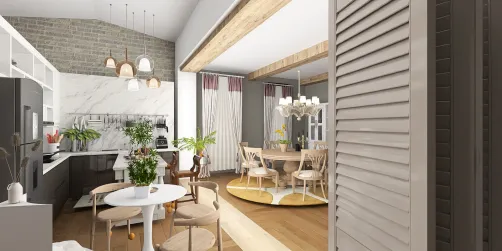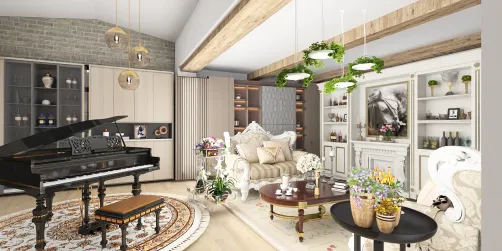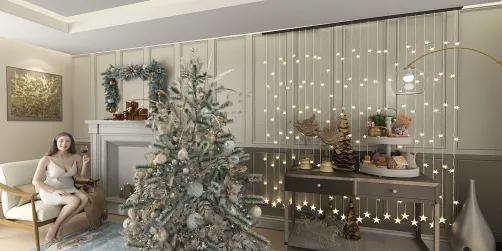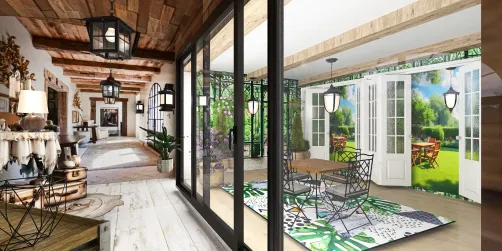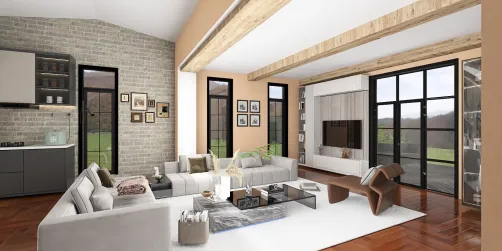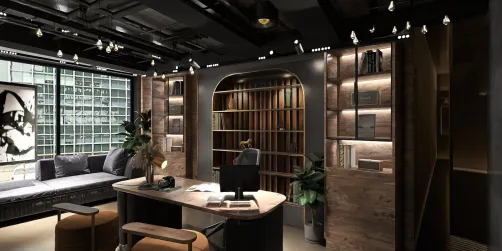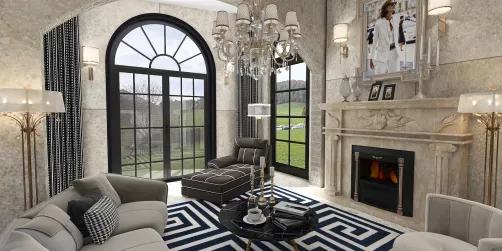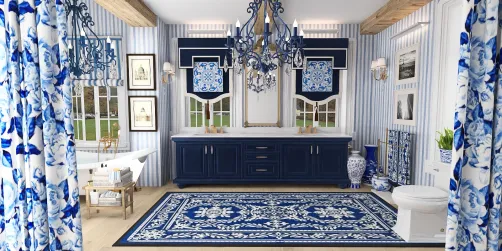
Recently, the trend for interior design has seen magnolia living rooms quietly re-emerging. This warm, creamy neutral is particularly effective in smaller spaces, as I found in several urban apartments where natural light was minimal. Small environments can ignite significant creativity, and today I’m excited to share 10 innovative magnolia living room ideas, combining my experiences with professional insights to inspire your next remodeling project, all while considering tools like Homestyler for visualization.
1. Warm Magnolia Walls
My Experience: I once revamped a 25 sqm apartment in Shanghai with magnolia-colored walls, and it felt like the room came alive. The light-reflecting creamy shade offered warmth that didn't feel chilly.
Benefits: This hue brightens the room and creates an illusion of spaciousness while maintaining a cozy warmth. According to Dulux Colour Trends, magnolia harmonizes well with both natural and artificial lighting.
Drawbacks: If used excessively, it may seem a bit outdated; however, pairing it with contemporary furniture maintains its freshness.
2. Magnolia with Natural Wood Accents
My Experience: Combining magnolia walls with oak shelves or walnut tables creates a classic pairing of warmth and texture. A client once remarked how it felt like 'coming home' each day.
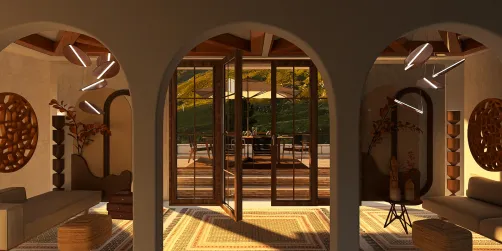
Benefits: Natural wood enhances the cozy feel, making it a great choice for compact living areas.
Drawbacks: Darker woods can sometimes overshadow the soft magnolia, so achieving a balance is crucial.
Utilizing wooden accents can imbue warmth and character, which can be further refined through design tools like Homestyler to visualize the perfect proportions in your room.
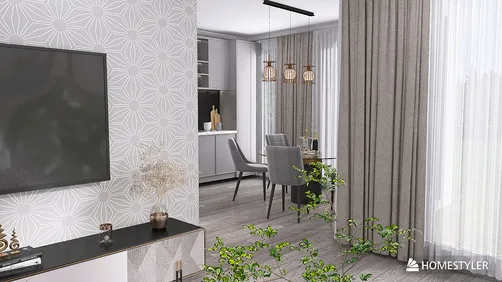
3. Modern Magnolia and Grey Palette
My Experience: Blending magnolia with soft greys provides a contemporary feel while remaining inviting. I implemented this in a bachelor’s condo, and it changed the ambiance instantly.
Benefits: This contrast avoids flatness in the room while ensuring a tranquil environment; it’s a color scheme frequently championed by Scandinavian design principles.
Drawbacks: Excessive grey can render the room chilly, so incorporating warmer textiles is advisable.
4. Magnolia Upholstery Choices
My Experience: Choosing a magnolia sofa can be both daring and fulfilling. I used it in a rental, opting for washable covers to ensure practicality.
Benefits: This choice softens the sitting area and fits nicely with a variety of wall colors, especially when seasonal accessories are refreshed.
Drawbacks: Light upholstery can require regular washing, particularly in homes with pets.
5. Magnolia Paired with Botanical Prints
My Experience: Adding leafy patterns on cushions or art pieces breathes life into magnolia walls. In one loft project, this pairing created a subtle connection to the outdoors.
Benefits: This introduces vibrancy and forges a bond with nature—a proven mood enhancer as per Biophilic Design principles.
Drawbacks: Too many patterns can create visual clutter; I usually stick to 2–3 types for a cohesive look.
6. Layering Magnolia with Textures
My Experience: Incorporating textured rugs, linen drapes, and knitted throws can add depth against smooth magnolia walls.
Benefits: This technique helps a compact magnolia living room feel lively and inviting without needing new colors.
Drawbacks: Overdoing layers can make the area feel congested, so it's essential to allow for some open space.
When considering your texture combination, utilize visualization tools, such as Homestyler, to experiment with layers before finalizing your selections.
7. Magnolia Accent Wall
My Experience: In open-plan designs, I’ve highlighted one accent wall with magnolia to differentiate the living space without using physical partitions.
Benefits: It provides visual balance and subtly partitions areas, proving effective in studio apartments.
Drawbacks: If adjacent wall colors clash, it may disrupt the flow of the space.
8. Magnolia with Metallic Details
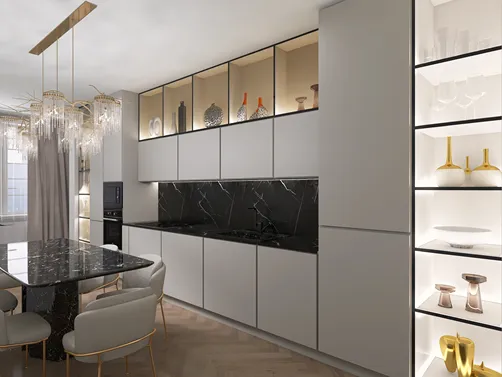
My Experience: Incorporating brushed gold fixtures or bronze lamps can create striking contrasts against magnolia walls.
Benefits: It introduces a hint of luxury without being overpowering; perfect for evening ambiance.
Drawbacks: Excessive metallic elements can appear gaudy; finding the right balance is key.
9. Magnolia and Glass Elements
My Experience: I used glass coffee tables and shelves in a snug magnolia room, enhancing the visual space.
Benefits: Glass keeps sightlines clear, giving the illusion of a larger area, especially when the sunlight interacts with it.
Drawbacks: Glass surfaces can quickly show dust and fingerprints.
In my recent urban project, testing glass features for a more airy appearance proved remarkably effective in enhancing light flow in the living area.
10. Seasonal Switch with Magnolia
My Experience: The versatility of magnolia's neutral base allows for quick seasonal updates. I change out throws and cushions to reflect the vibe of each season.
Benefits: This approach is budget-friendly and keeps the area feeling revitalized throughout the year.
Drawbacks: Adequate storage for off-season decorative items is needed.
Conclusion
Incorporating magnolia into your living room is not a constraint—it serves as a versatile design foundation that promotes layering, texture, and personal expression. As Architectural Digest highlights, creamy neutrals easily adapt to evolving trends, making them an enduring choice. Which of these magnolia living room ideas do you find most appealing for your own space?
FAQ
1. What advantages does magnolia paint offer for a living room? Magnolia provides warmth and reflects light, giving rooms a sense of openness without seeming stark.
2. Can magnolia appear outdated? When combined with contemporary furniture and textures, magnolia remains a timeless option.
3. What colors complement magnolia best? Soft greys, sage greens, blush shades, and natural woods beautifully accompany magnolia.
4. Is magnolia suitable for small living rooms? Definitely, it enhances light and creates an impression of more space.
5. Can magnolia coordinate with bold hues? Certainly—teal, navy, and mustard all shine beautifully against magnolia.
6. Which decor styles pair well with magnolia walls? Magnolia aligns effortlessly with Scandinavian, modern farmhouse, and transitional design styles.
7. How frequently should I repaint magnolia walls? Every 5 to 7 years, or sooner if fading or staining becomes apparent, as per maintenance guidelines for paint.
8. Is magnolia effective in open-plan layouts? Yes, and it can subtly segment areas. In my experience, different floor plans aided in visualizing open-plan concepts before paint application.
Homestyler is your go-to online home design platform! With its user-friendly design tool, stunning 3D renderings, and a wealth of inspiring design projects and video tutorials, you'll effortlessly transform your ideas into reality. Perfect for both beginners and seasoned designers!