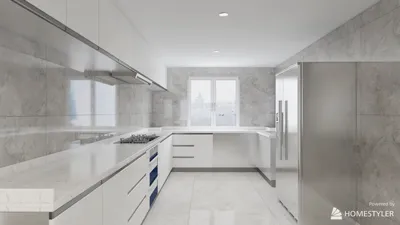


Once, a client commissioned me to craft an L-shaped bar that would serve multiple purposes — as a dining table, a homework station, and a buffet for entertaining. At one point, I jokingly considered a fold-up trampoline instead of conventional stools! However, this experience showcased how an L-shaped bar counter can effectively enhance an awkward open plan, making it a vibrant social hub. If you're looking for stylish and practical open kitchen and living room ideas, I'm excited to share five concepts that I frequently implement in my projects, often utilizing tools like Homestyler for 3D visualization.
1. Seamless Integration: Extend the Counter from the Kitchen Island
In numerous designs, I seamlessly extend the kitchen island surface into an L-shaped bar facing the living room. This design feels purposeful and maintains open sightlines. The benefit here is clear visibility between cooks and guests, but it's crucial to ensure that circulation remains unobstructed, preventing individuals from navigating through food prep areas. My advice is to maintain a distance of at least 90–110 cm between bar stools and the sofa for easy movement.
save pin
2. Dual-Height Bar for Dining and Food Prep
If you're working within a budget, I suggest considering a dual-height L counter — one side for dining, the other for food preparation. Clients appreciate the visual interest this creates, and it helps conceal crumbs more effectively than a continuous surface. Although it's slightly more complicated to construct and requires meticulous cabinet planning, this solution provides both informal dining and a functional workspace without the need for additional square footage.
save pin
3. Incorporating Storage Beneath the Bar
Years ago, I revamped the otherwise neglected knee space beneath a client's L counter into handy drawers for storing trays and recipe books — it felt like discovering hidden treasures. Incorporating storage allows the bar to serve multiple functions. However, this may slightly increase construction costs and requires careful planning regarding plumbing or electrical work. To minimize unexpected issues, be sure to measure appliance depths and opt for sliding drawers rather than fixed shelves to enhance accessibility.
save pin
4. Open Shelving and Lighting to Define the Living Area
When your living room lacks definition, think of the L counter as a stabilizing element, complemented by open shelving on the living side and pendant lighting above. Proper lighting helps delineate zones in open spaces and creates a cozy ambiance at night; integrating open shelves keeps the aesthetic light. The only downside is the maintenance involved — select display items you truly love and are willing to dust regularly, or consider glass-front cabinets for a more low-maintenance option.
save pin
5. Adaptive Seating and Unobstructed Sightlines
If space is at a premium, opt for armless stools and staggered seating along the L shape to allow people to slide past without interrupting walkways. I consistently advise my clients to physically test stool placements before making a purchase — you'll be amazed at how 5 cm can make a difference. To visualize the layout, mock up stool positions and circulation paths; it can significantly reduce stress during installation.
save pin
Practical Budget Strategies
Looking to achieve maximum impact on a limited budget? Simplify the counter material (think laminate or engineered stone) but invest in a standout element, such as striking pendant lighting or a textured backsplash. I've successfully achieved beautiful results on a budget by focusing on durable surfaces first, then selecting standout hardware later, often with the help of Homestyler to visualize potential choices.
save pin
Additional Small Tips I Find Useful
Integrate power outlets into the side of the bar for convenience in charging devices and for small appliances. Additionally, consider incorporating a slim floating shelf at standing height for morning coffee. If sound travels easily in your open plan, a low-upholstered back on the sofa can help absorb noise while preserving the visual openness.
save pin
Final Thoughts
An L-shaped bar counter can revolutionize an open kitchen living area into a multifunctional, vibrant space. It's not about magic — it's about making strategic choices regarding flow, storage, and scale. For in-depth layout guidance or specific kitchen design advice, create mockups early in the design process and utilize tape on the floor to test ideas.
save pin
FAQ
Q: What height is recommended for an L-shaped bar counter?
A: Standard bar counters range from 105–110 cm high, suitable for bar stools, while dining-height counters are typically around 75–80 cm. For dual-height configurations, ensure stool heights match each surface for optimal comfort.
Q: How much clearance should be maintained behind bar stools?
A: It's advisable to leave at least 90–110 cm of clearance from the stool to any thoroughfare to allow smooth passage without disturbing seated guests.
Q: Can an L-shaped bar fit into a compact open plan?
A: Yes — opt for narrower countertops (30–35 cm depth for overhangs) and armless stools. Floating or cantilevered solutions can help save valuable floor space.
Q: What materials are best for low maintenance?
A: Engineered stone and high-quality laminates are excellent choices as they resist spills and heat well. While wood adds a cozy touch, it requires sealing and extra vigilance regarding liquids.
Q: Should the material of the bar counter match that of the kitchen island?
A: Matching materials create a cohesive appearance, whereas contrasting ones can accentuate the bar as a highlight. Select one primary material to stand out while balancing the rest with neutral options.
Q: Are there any building regulations related to bar counters?
A: Building codes differ by location, but considerations around safety and egress are universal. For countertop heights and spacing guidelines, the National Kitchen & Bath Association (NKBA) provides valuable resources: https://nkba.org/.
Q: How can I make the bar area safe for children?
A: Use rounded edges, durable surfaces, and stable stools. Position hot appliances away from the overhang and consider creating a lower area for kids, paired with a gripping step stool.
Q: Is it possible to include appliances in the L counter?
A: Certainly — features like small under-counter refrigerators or dishwasher drawers are feasible; however, it’s essential to plan plumbing and ventilation in advance to ensure the layout accommodates these additions effectively, without compromising the overall design.
save pin
Transform your home design dreams into reality with Homestyler! This user-friendly online platform features an intuitive design tool, stunning 3D renderings, a wealth of design projects, and helpful DIY video tutorials. Perfect for anyone looking to create beautiful spaces effortlessly!
Design Now for FREE
































