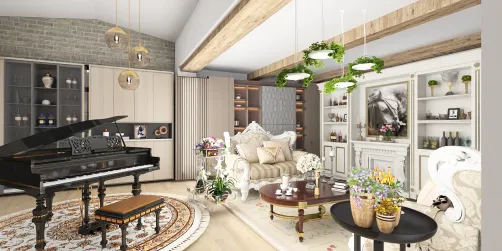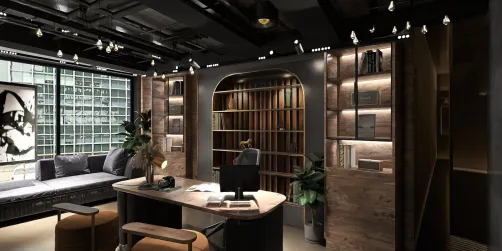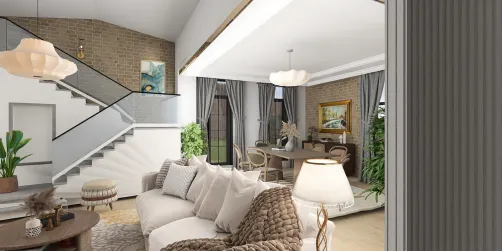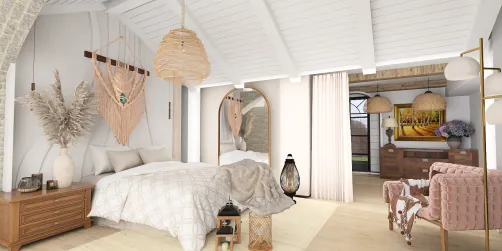
In the last ten years of my career as an interior designer, I've observed that leather furniture consistently maintains its allure, particularly in living rooms. This year's trends highlight the appeal of combining various textures, embracing warm neutrals, and fostering multi-functional spaces. I’ve always felt that smaller areas breed the most creativity, and in this piece, I'm excited to present 10 innovative living room styling ideas featuring leather furniture, integrating insights from numerous industry professionals and my own experiences.
1. Streamlined Leather Sofa with Striking Accents
My Insight: In a recent design project, I incorporated a sleek leather sofa adorned with vibrant throw pillows. The blend created an intentional atmosphere without feeling stark.
Benefits: Minimalist leather furnishings are remarkably adaptable and complement search phrases like "modern leather sofa for compact living rooms". This arrangement is low-maintenance and easily evolves with trends.
Drawbacks: Excessively minimalist designs might seem bland unless accompanied by color or texture.
Suggestion: Change out cushions seasonally to refresh the aesthetic.
2. Coziness with Wooden Accents
My Insight: Integrating leather with warm wooden elements such as coffee tables or bookshelves has always enhanced the softness of the space in my designs.
Benefits: Wood introduces warmth and balance, making it ideal for both contemporary and rustic aesthetics.
Drawbacks: Authentic wood can be expensive; veneer alternatives might lack durability.
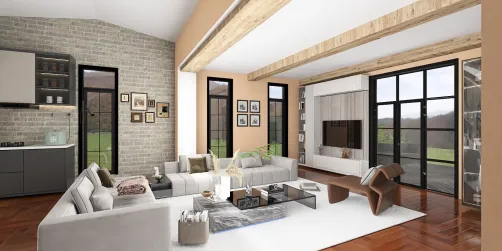
In one loft renovation, the combination of wood accents and a dark leather sectional completely revitalized the area.
3. Glass and Leather Fusion
My Insight: I find that placing a glass coffee table beside a leather sofa enhances light reflection, making smaller living spaces appear more expansive.
Benefits: This pairing allows the richness of leather to be showcased without clutter, aligning nicely with the search intent for "glass décor for luminous interiors".
Drawbacks: Glass surfaces require regular cleaning and might not suit families with young children.
Suggestion: Opt for tempered glass to ensure safety and durability.
4. Textiles Layering for Added Dimension
My Insight: Using leather alone can sometimes feel flat; I like to incorporate knitted throws, linen cushions, and patterned rugs for layered textures.
Benefits: This method increases visual interest and softness while allowing for seasonal changes in decor.
Drawbacks: Careful consideration of layering is necessary—overdoing it may create clutter.
5. Harmonizing Earth Tones
My Insight: Neutral leather in shades like tan or camel blends beautifully with earth-toned walls and decor elements.
Benefits: This combination generates a warm, welcoming atmosphere, syncing with trends for "earthy color schemes in living areas."
Drawbacks: The palette could appear monotonous without contrasting colors.
Using terracotta vases and eucalyptus branches brought a client's space to life with organic beauty.
6. Bold Lighting Statements
My Insight: Leather pieces complement dramatic floor lamps or pendant lighting, a trick I’ve applied in styling compact urban homes.
Benefits: Striking lighting draws the eye upward, contributing to an illusion of greater ceiling height.
Drawbacks: Oversize fixtures risk overshadowing furniture if not appropriately scaled.
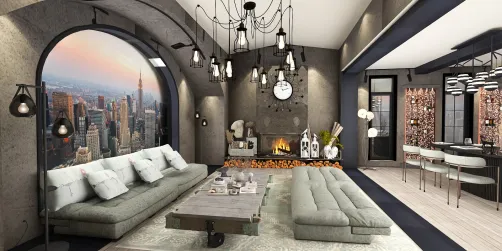
In one project, a caramel leather sofa combined with industrial metal lighting featured prominently in a modern loft.
7. Varied Leather Shades
My Insight: Utilizing two-tone leather furniture, like a brown sofa paired with a black armchair adds dynamism and an organized look.
Benefits: This approach breaks visual monotony and integrates smoothly with mixed materials.
Drawbacks: Color clashes could occur if the shades don’t complement each other.
8. Vintage Appeal with Distressed Leather
My Insight: Distressed leather instantly infuses character; I once restored a two-decade-old armchair, and it became the centerpiece of the room.
Benefits: It conceals wear beautifully and ages with grace.
Drawbacks: This style may not fit ultra-modern designs.
9. Art Enhancing Balance
My Insight: Leather seating pairs well with nearby art to balance its visual weight.
Benefits: Art distribution aids focus, especially in minimalist settings.
Drawbacks: Overly busy walls may compete with the leather's texture.
In a client's residence, aligning an oversized abstract canvas against a sleek black leather lounger achieved a gallery-like aesthetic.
10. Introducing Plants as Contrast
My Insight: Greenery enhances the richness of leather, with leafy plants adding a lovely soft/hard contrast that feels rejuvenating.
Benefits: Plants breathe life into space, purify the air, and fit within any living room size.
Drawbacks: Maintenance is necessary; choose plants that suit your lighting conditions.
Conclusion
Incorporating leather into a living room is not a limitation—it presents a chance for intelligent styling. The American Society of Interior Designers emphasizes that mixing textures and varied scales is essential for well-balanced interiors. Which of these design inspirations using leather would you be eager to experiment with first?
FAQ
1. How can I prevent leather furniture from appearing too heavy?
Balance its visual weight by using lighter textiles, rugs, and wall colors.
2. Are leather sofas suitable for small living rooms?
Absolutely, particularly when selecting sofas with slim arms and elevated legs that promote an airy ambiance.
3. Is it feasible to mix different leather hues within the same space?
Certainly, but it's advisable to maintain a cohesive color palette and harmonize the tones with other materials.
4. What wall colors complement a brown leather sofa?
Warm neutrals like cream, beige, or light gray work exceptionally well, in addition to muted greens.
5. How can I style distressed leather in a contemporary manner?
Pair it with sleek metal or glass elements to maintain visual balance.
6. Are plants safe to place near leather furniture?
Yes, ensure they don’t leak water or sap onto the leather to avoid any potential damage.
7. What is the longevity of leather furniture?
With proper upkeep, quality leather can last anywhere from 15 to 20 years, as noted by Consumer Reports.
8. How do I safeguard leather from sun damage?
Position it away from direct sunlight or employ UV-filtering curtains.
Looking to transform your space? Homestyler is your go-to online home design platform! Its user-friendly design tool and stunning 3D renderings allow you to visualize your ideas effortlessly. Explore a variety of design projects and learn with DIY video tutorials to bring your dream home to life!