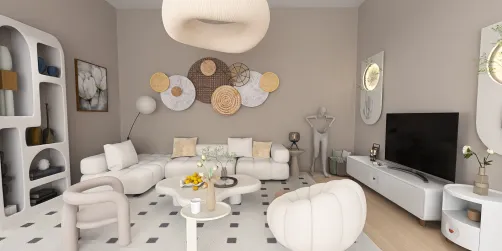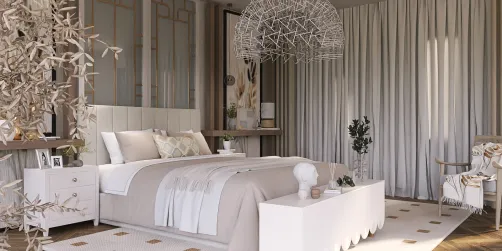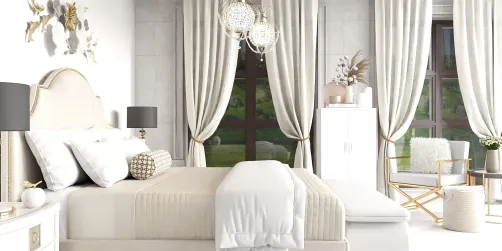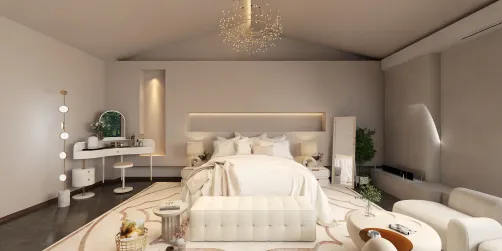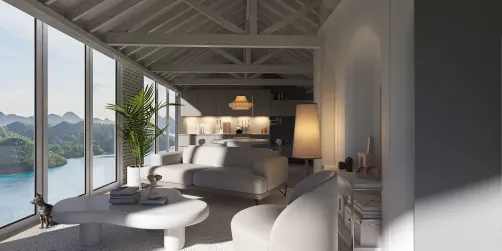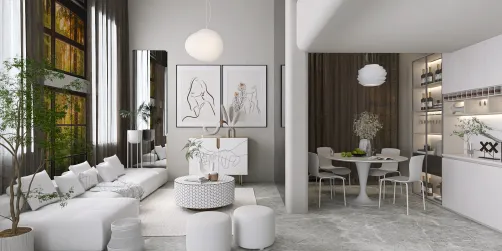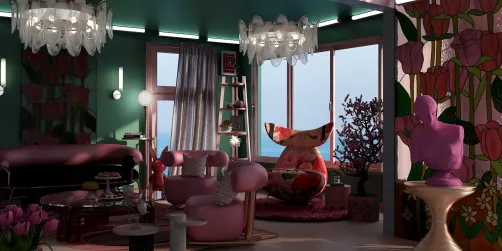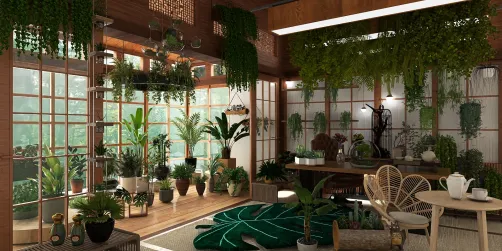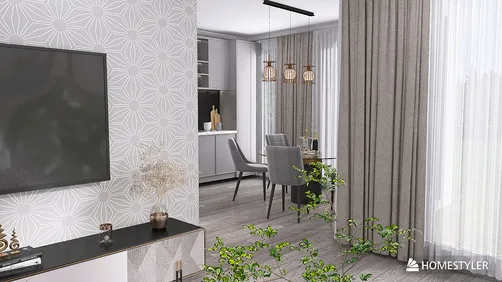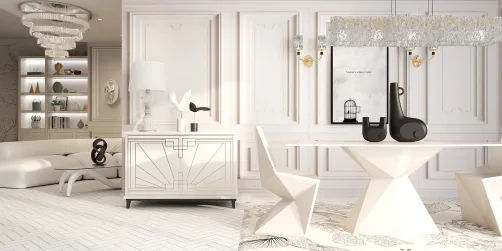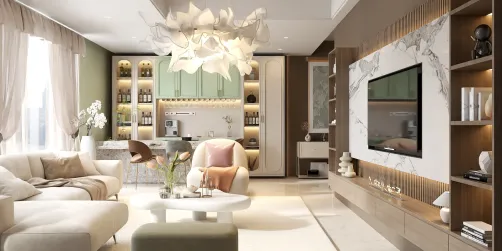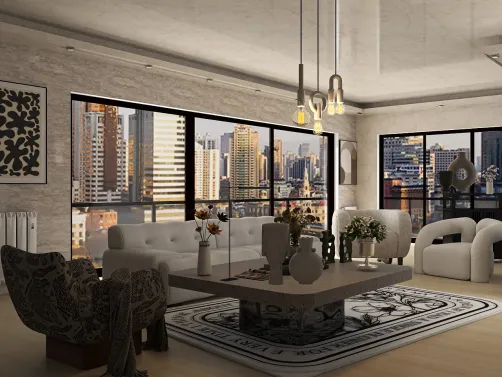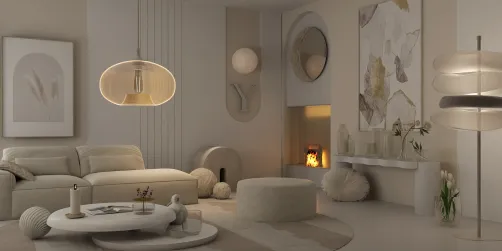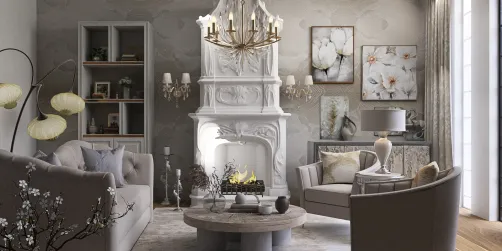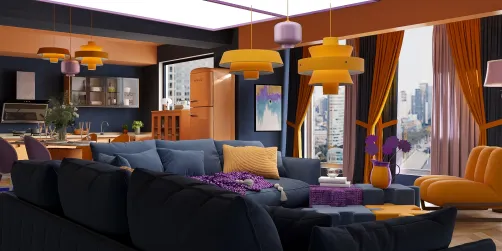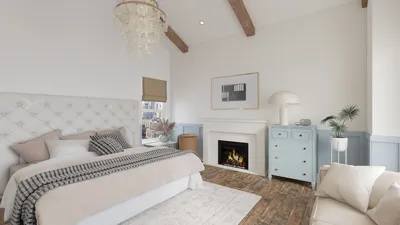
Over the last decade, while working on living room projects with low ceilings, I've discovered how much creativity these spaces can inspire. The latest design trends favor layered and indirect lighting, moving away from bulky chandeliers, which is perfect for spaces with compact heights. Small areas challenge us to think more innovatively, and in this article, I'll share 10 lighting ideas for living rooms, drawing from both my personal design experiences and expert recommendations, all while incorporating tools like Homestyler for enhanced visualization.
1. Recessed LED Downlights
My Experience: I have installed recessed LED downlights in numerous low ceiling living rooms, creating a sleek ceiling aesthetic without visual clutter. This method is particularly effective in minimalist designs where maximizing every inch is crucial.
Advantages: These lights optimize headroom while evenly distributing light. The Illuminating Engineering Society highlights that well-spaced recessed lights help minimize shadows in low vertical spaces.
Drawbacks: Installation requires precise ceiling cutouts, and retrofitting can be complicated if existing wiring presents limitations.
Suggestion: Opt for dimmable models to easily adjust brightness for different times of the day.
2. Flush-Mount Fixtures with Diffusers
My Experience: In one instance, I replaced a large pendant light with a sleek flush-mount featuring an opal diffuser, which instantly created a sense of height in the ceiling. The soft lighting is perfect for relaxed evenings.
Advantages: Ideal for smaller rooms, flush-mount fixtures spread light evenly without causing glare and complement most design aesthetics.
Drawbacks: These lights are less dramatic than statement pendants and may not be ideal if you're looking for intense task lighting.
Design Tip: Coordinate the tone of the diffuser with your wall color for a cohesive appearance, similar to the strategies seen in minimalist kitchen designs focused on visual continuity.
3. Wall Sconces for Ambient Glow
My Experience: With limited ceiling space, I frequently opt for wall sconces to create depth and atmosphere. These fixtures allow for a clearer ceiling space, enhancing visual calmness.
Advantages: They're easy to install with minimal electrical work and are great for layering light sources in your low ceiling living room.
Drawbacks: They may not provide enough reach for larger areas and often require multiple units to achieve desired brightness levels.
Suggestion: Adjustable-arm sconces provide flexibility, making them ideal for reading nooks or accentuating artwork.
4. LED Cove Lighting
My Experience: I once installed LED strips along the crown molding of a 2.3m ceiling, creating a dramatic uplift through indirect lighting.
Advantages: This approach adds architectural flair, generates a luxurious ambiance, and allows for different color temperature settings.
Drawbacks: It requires pre-planning for wiring and installation; initial costs can be higher.
Cost Tip: It's DIY-friendly for those with basic wiring knowledge; many user-friendly plug-and-play LED options are available now.
5. Track Lighting for Versatility
My Experience: Track lighting can enhance any space, even low-ceilinged rooms. I've used low-profile tracks to illuminate seating and artwork, ensuring fixtures remain close to the ceiling.
Advantages: The adjustable heads provide targeted illumination and can be reconfigured easily, making them perfect for versatile low ceiling lighting setups.
Drawbacks: They may look utilitarian if not styled appropriately; ceiling rails may not appeal to everyone.
Suggestion: Paint the track the same color as the ceiling to create a seamless blend, similar to how L-shaped layouts optimize visibility in kitchen spaces.
6. Floor Lamps with Uplight Shades
My Experience: In areas where ceiling fixtures are impractical, I prefer floor lamps with uplighting that reflect light upward, creating a visual lift in the ceiling height.
Advantages: They're portable and easy to reposition; uplighting adds height to compact rooms.
Drawbacks: They can occupy valuable floor space and may create glare if positioned poorly near reflective surfaces.
7. Semi-Flush Mount Lights
My Experience: For decorative ceiling lighting without excessive height loss, semi-flush mounts are a fantastic compromise, especially mid-century designs in 2.4m living rooms.
Advantages: They add character while ensuring necessary clearance, offering more design choices than flush mounts.
Drawbacks: They may protrude slightly, so it's essential to measure carefully in tight spaces.
8. Layered Table Lamps
My Experience: There's a unique charm in the warm light emitted from well-placed table lamps. I typically use them to complement overhead lighting, adding softness to the overall ambiance.
Advantages: They are affordable and easy to swap out; perfect for defining areas in open-plan layouts.
Drawbacks: They can take up surface space and require careful management of cords to prevent clutter.
Suggestion: Mix and match lampshade materials to experiment with texture and light diffusion.
9. Smart Lighting Control Systems
My Experience: After implementing a smart dimming system for a client in a low ceiling loft, the transformation was beyond just lighting — they could effortlessly shift from a bright workspace to a cozy movie night setting.
Advantages: These systems enhance control and energy efficiency, and they can integrate with voice assistants for convenient adjustments.
Drawbacks: Requires compatible bulbs and potentially a hub; setup can come with an initial learning curve.
Case Note: The same flexibility seen in smart lighting parallels wood accents that add warmth — both encourage the layering of sensory experiences.
10. Mirrors to Amplify Light
My Experience: Although mirrors are not light sources, placing one strategically can double the perceived brightness in a low ceiling living room. I once positioned a mirror to reflect window light across a narrow room, significantly enhancing the space.
Advantages: No electricity or wiring required; effective day and night in improving luminosity.
Drawbacks: Requires frequent cleaning, and placement is crucial to prevent odd reflections.
Suggestion: Pair mirrors with wall sconces or table lamps to boost their effectiveness.
Conclusion
Low ceiling living rooms don't restrict creativity; they refine it. By blending functional and decorative lighting, and utilizing expert insights from resources like the Illuminating Engineering Society, it is possible to achieve comfort and style in your designs. Which of these 10 innovative living room lighting ideas for low ceilings, possibly modeled through tools like Homestyler, are you excited to implement first?
Frequently Asked Questions
1. What is the most suitable lighting for a low ceiling living room?
Recessed LED downlights are recommended as they maintain clear lines and maximize headroom.
2. Are pendant lights suitable for low ceilings?
Yes, but choose short-drop designs or place them over tables to avoid head collisions.
3. How can I give the impression of higher ceilings?
Utilizing uplighting, vertical elements, and employing light shades on ceilings can create that illusion.
4. Is track lighting ideal for smaller rooms?
Definitely — track lighting provides adjustable, directional illumination that fits small or oddly-shaped layouts perfectly.
5. Is investing in smart lighting systems worthwhile?
Absolutely; they offer customizable brightness and settings — according to ENERGY STAR, they can reduce energy use by almost half.
6. How do I layer lighting in a low ceiling room?
Combine ambient (overhead), task (table/floor lamps), and accent lighting (sconces or strips) for added depth.
7. Do mirrors truly make a difference?
Yes, mirrors reflect both natural and artificial light, creating a brighter and more spacious feel in the room.
8. Am I required to hire an electrician for LED cove lighting?
Not necessarily — many LED strip kits are available as plug-and-play, but hardwiring may need professional attention.
Discover the joy of home design with Homestyler! This user-friendly platform offers an intuitive online design tool, stunning 3D renderings, and a wealth of DIY video tutorials. Transform your space effortlessly and unleash your creativity with inspiring design projects—all at your fingertips!