


In recent years, I've observed a quiet rise in the popularity of sage green as a favored choice in living room design. This earthy and soothing hue harmonizes beautifully with both contemporary and traditional decor, offering a spark of inspiration for small spaces. Today, I present 10 innovative living room concepts featuring sage green couches, each inspired by my personal projects and informed by expert advice. Whether you're in search of a refreshing color scheme or clever layout ideas, these suggestions will assist you in styling your area with both practicality and character.
Sage Green Blends with Minimalist Neutrals
My Insight: In a downtown apartment project I undertook, the combination of a sage green couch against soft beige walls created an open and airy atmosphere. It allowed the sofa to become a focal point while maintaining a tranquil environment.
Advantages: Neutral colors can enhance the visibility of sage green without overwhelming the senses, a classic technique for small areas encouraged by design professionals.
Disadvantages: Poor lighting can cause the overall look to appear overly subdued, particularly in north-facing rooms.
Advice: Incorporate warm wood or linen textures to prevent a flat appearance.
Botanical Inspired Backgrounds
My Insight: In one instance, I created a leafy accent wall behind a sage couch for a client, seamlessly connecting their seating area to their balcony garden.
Advantages: It amplifies the natural, biophilic essence of sage green; complements indoor plants beautifully.
Disadvantages: An abundance of patterns can lead to visual disorder; therefore, it is advisable to balance these with solid cushions.
Discover how a glass backsplash can make kitchens feel more expansive—the same concept of visual expansion also applies to living rooms.
Rustic Farmhouse Elements
My Insight: During a barn conversion, I matched a sage green sofa with weathered oak beams and a chunky knit throw, immediately creating a cozy feel as if the sofa was always in place.
Advantages: The subtle green pairs beautifully with warm, aged woods for an everlasting appeal.
Disadvantages: Overemphasizing rustic features can lead to a dated aesthetic.
Contrasting with Navy Accents
My Insight: I used deep navy cushions on a sage green sofa in a coastal home, achieving the right level of drama without overwhelming the space.
Advantages: Navy introduces depth and elegance—a pairing often endorsed in modern coastal designs.
Disadvantages: Dark elements may necessitate ample natural light to avoid a heavy ambiance.
Light & Airy Scandinavian Elements
My Insight: Combining sage with bright white walls and light ash wood creates a fresh, uncluttered style, enhancing the feeling of spaciousness in compact areas.
Advantages: This arrangement frees up usable space, akin to how an L-shaped kitchen can maximize counter space.
Disadvantages: The look may feel too stark without pops of color or personal touches.
Advice: Consider adding a patterned rug to help ground the furniture layout.
Industrial Chic Contrast
My Insight: In transforming a loft, I paired a soft sage couch with exposed brick and matte black shelving. This combination achieved an ideal balance between comfort and industrial edge.
Advantages: The gentle sage tone contrasts well with rugged materials, preventing the environment from feeling too harsh.
Disadvantages: If there's a clash between brick hues and green undertones, the overall design can feel disconnected.
Opulent Brass Features
My Insight: Incorporating a brass floor lamp and geometric side table alongside a sage couch in a city penthouse gifted the area an element of luxury, all while maintaining a cozy ambiance.
Advantages: Metallics can reflect light and enhance brightness in smaller areas.
Disadvantages: An excess of shiny elements may render the space feeling impersonal.
Monochromatic Green Layers
My Insight: I devised a monochromatic palette utilizing varying shades of green—olive cushions, a moss throw, and a sage sofa—resulting in a refined and harmonious setting.
Advantages: It adds visual depth and allows for easy seasonal updates with new textures.
Disadvantages: It requires careful matching of tones to avoid dissonant greens.
Earthy Bohemian Mix
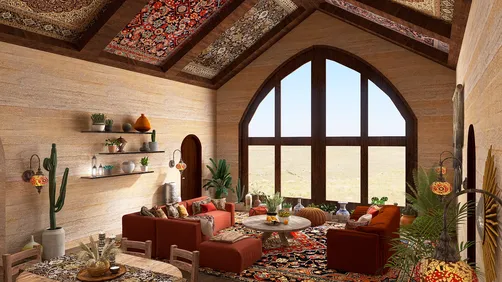
My Insight: Combining sage green with terracotta planters, rattan seating, and vibrant textiles infused a relaxed, global aesthetic into an open-plan living and dining space for a client.
Advantages: It allows for the inclusion of unique travel finds; budget-friendly swaps can keep the look updated.
Disadvantages: The design may appear chaotic if an overwhelming number of competing prints are used.
Statement Art Paired with Sage
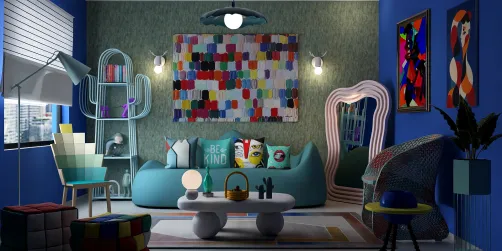
My Insight: In a compact studio, I hung a bold abstract piece above the sage couch to instantly inject personality into the room.
Advantages: Such focal points draw the eye upward, creating the illusion of higher ceilings, a technique highlighted by design publications.
Disadvantages: Oversized artwork can dominate very small sofas.
Consider how AI-driven design platforms can inspire unique art selections without lengthy lead times.
Final Thoughts
For me, choosing a sage green couch transcends trends; it's about embracing a flexible, design-friendly color. Particularly in smaller living areas, it motivates smarter decisions regarding layout, illumination, and layering, rather than focusing solely on constraints. As noted by the Color Marketing Group, nature-inspired shades hold enduring popularity across seasons. Which among these ten concepts resonates with your vision for your own space?
Frequently Asked Questions
1. Why opt for a sage green couch in a living room? Sage green offers a timeless, soothing tone that complements both modern and traditional styles, acting as a neutral that introduces subtle character.
2. Is a sage couch suitable for small apartments? Absolutely, its subtle tones create an airy impression, and when combined with light walls, it can make compact spaces appear larger.
3. Which colors complement a sage green sofa? Consider neutral shades like beige and white, deep accents like navy, or warm hues like terracotta.
4. How can I style around a sage sofa to avoid a flat appearance? Layer various textures—wood, linen, metal—and include plants for a touch of freshness.
5. Is sage green still trending in 2024? Indeed, and according to Pantone's trend analysis, nature-inspired greens are dominating in residential design.
6. Which rugs pair well with sage green? Neutral-patterned rugs, jute, or warm earthy designs are wonderful choices.
7. Can bold artwork be incorporated with sage furniture? Certainly. A single, striking piece can enhance dimensionality and elevate the eye's focus.
8. How can design resources assist in visual preparation? Tools like 3D floor planning platforms enable users to visualize couch arrangements, wall colors, and decor before making decisions.
Built on technology originally developed at Autodesk, Homestyler empowers anyone to design beautiful, realistic spaces in minutes. Join over 20+ million registered users (platform data, 2026) who have already discovered a smarter way to plan, visualize, and bring their dream homes to life — all from the comfort of a browser.
Discover the joy of home design with Homestyler! This user-friendly platform offers an innovative online design tool, stunning 3D renderings, a wealth of inspiring design projects, and engaging DIY video tutorials. Transform your ideas into reality effortlessly—perfect for both beginners and seasoned decorators!
Design Now for FREE






















![[For dear Adelina madee 🤎]](https://hs-designs.homestyler.com/production/design/images/8a07e535-9cbc-4132-a42a-5932dac3a112/1706972286037.jpg?x-oss-process=image/resize,w_502,m_mfit/format,webp)