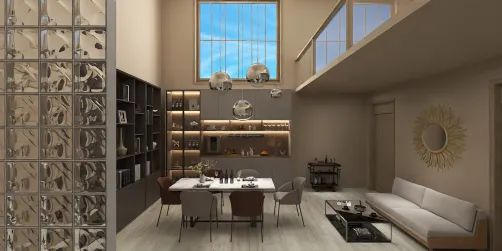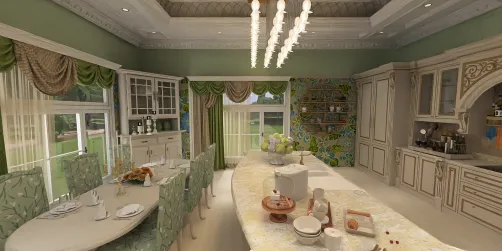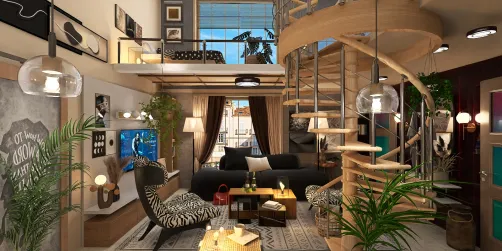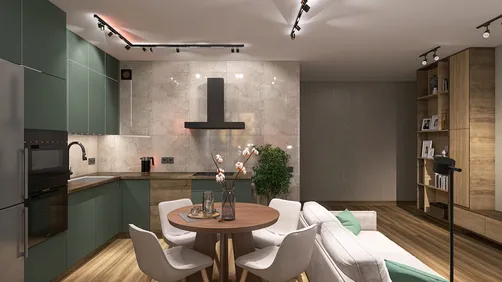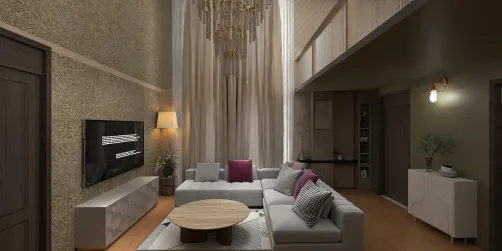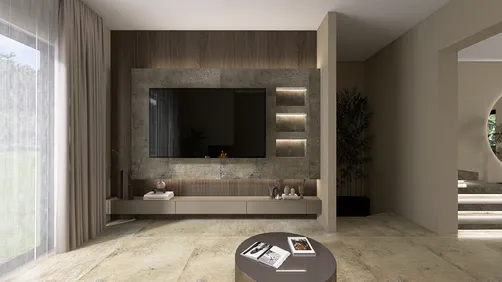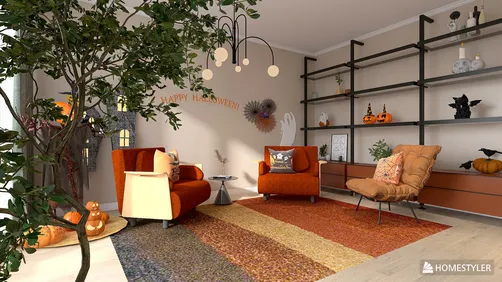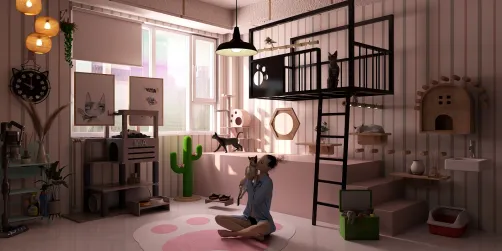
In my decade-long journey as an interior designer, I've witnessed the transformation of bay windows from mere architectural features to captivating centerpieces in living rooms. Nowadays, as interior design trends emphasize the importance of natural light and versatile spaces, bay windows provide an ideal opportunity for creativity. Especially in smaller settings, they encourage imaginative solutions. In this article, I will present 10 innovative living room ideas for bay windows that combine my practical expertise with industry insights, including uses of tools like Homestyler.
Cozy Window Seat Retreat
My Experience: I once revamped a compact city apartment by converting a bay window into a cushioned haven with concealed storage, completely transforming the client's use of their living area.
Benefits: This design not only provides extra seating without cluttering the floor but also allows more natural light in. A thoughtfully crafted bay window nook can even enhance property market value, as highlighted in Architectural Digest.
Drawbacks: Creating custom cushions and cabinetry can be expensive, and without suitable upholstery, sun exposure can lead to fading fabrics.
Advice: Opt for durable, fade-resistant materials to maintain its appealing look over time.
Reading Nook with Built-in Shelves
My Experience: For a client who adored books, I integrated vertically aligned shelves around the bay window, ensuring that every square inch was utilized aesthetically.
Benefits: This setup keeps books tidy, elevates vertical space utilization, and enhances the inviting atmosphere of the nook.
Drawbacks: Custom shelves might be necessary to accommodate the unique shape of the bay; minimalist aesthetics may not find this option ideal.
In one instance, the tailored bay window storage design became the highlight of the client's living area.
Panoramic Dining Area
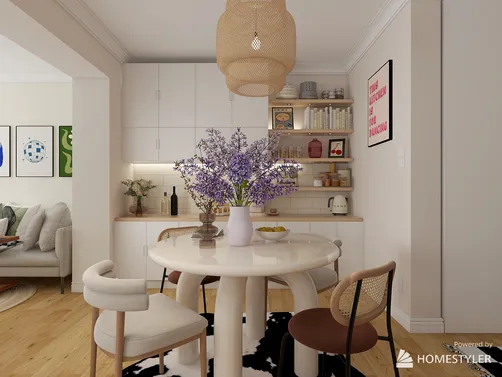
My Experience: By transforming a bay window into an intimate, circular dining spot in an apartment with river views, each meal felt as though it was enjoyed al fresco.
Benefits: This design captures scenic views, maximizes daylight usage, and makes smaller living rooms appear more spacious.
Drawbacks: Limitations in size may restrict table dimensions; seating arrangements need to conform to the curve for comfort's sake.
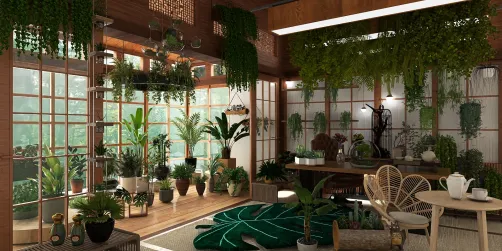
Indoor Garden Sanctuary
My Experience: A weekend project involved placing low planter boxes within a bay window, introducing lush greenery directly into the living space.
Benefits: This setup enhances air quality and adds vibrant life and texture, aligning perfectly with the growing trend of biophilic design.
Drawbacks: Plants require regular upkeep, and excess moisture could potentially harm window frames.
Advice: Consider low-maintenance plants like ferns or succulents for easier care.
Home Office Hub
My Experience: During the surge of remote work, I created custom desks in bay windows—clients appreciated the functional views while they worked.
Benefits: Natural lighting increases productivity and mood, while conserving valuable wall space for additional furniture.
Drawbacks: Screen glare can be problematic; light-filtering blinds might be necessary.
For a compact flat, designing an ergonomic desk in the bay window allowed my client to create clear distinctions between work and relaxation areas.
Accent Lighting Feature
My Experience: I've installed LED strip lights around the edges of bay windows, creating a soft ambient glow during the evening.
Benefits: This addition not only enhances the room's atmosphere but also emphasizes the architectural curve of the window elegantly.
Drawbacks: It necessitates concealed wiring; if not carefully selected, some LED colors might appear overly artificial.
Art Display Bay
My Experience: I converted unused space in one client's bay window into a petite gallery featuring slim pedestals and mounted artwork.
Benefits: This solution adds a personal touch to the space and directs attention towards the window area.
Drawbacks: Direct sunlight can damage delicate artwork, potentially obstructing views.
Luxury Lounge Addition
My Experience: Incorporating a chaise lounge into a bay window transforms it into a semi-private, resort-style escape within the living room.
Benefits: Creates a plush area ideal for reading or napping, visually enhancing the overall room.
Drawbacks: It can occupy most of the bay’s footprint, limiting the space for alternate uses.
The soft lines paired with floor-to-ceiling drapes beautifully complemented the lounge space in one of my luxury condo transformations.
Storage Bench Solution
My Experience: A perfect choice for families, I designed lift-top benches that double as storage for toys or blankets.
Benefits: This design is not only functional but also maximizes space, effectively concealing clutter.
Drawbacks: Requires durable hinges; frequent use can wear out the hardware.
Modern Minimalist Curtain Framing
My Experience: I've dressed bay windows with delicate sheer side fabrics, allowing the architecture to shine while softening the brightness.
Benefits: Maintains an airy ambiance; sheer materials filter light without heavy curtains.
Drawbacks: Offers minimal privacy; may not be suitable for windows facing the street.
Conclusion: A bay window isn't merely a design bonus in living rooms—it's an opportunity to maximize design efficiency rather than limit space. Insights from Houzz suggest that multifunctional window areas are increasingly favored in compact homes. Which of these 10 concepts would you consider implementing in your space with the help of Homestyler?
FAQ
1. What are the top bay window living room concepts suitable for compact areas?
Window seats with hidden storage, built-in shelving, and minimalist treatments are optimal for blending functionality with style.
2. Is it possible to turn my bay window into a workstation?
Of course—natural light enhances productivity, and blinds can help manage glare.
3. How can I decorate a bay window without obstructing the view?
Utilize low-profile seating, sheer curtains, and streamlined furniture to maintain openness.
4. How much does it cost to convert a bay window into a seating area?
Costs can vary—custom cushions and cabinetry might range from $500 to $2000 based on materials and craftsmanship.
5. Are bay window garden arrangements viable?
Definitely, with the right drainage and plant choices; Architectural Digest emphasizes that incorporating greenery promotes wellness.
6. What curtain designs suit bay windows best?
Sheer panels, Roman shades, or motorized blinds are popular choices for balancing privacy and light.
7. Can bay windows contribute to a more spacious appearance in my room?
Absolutely. Their protruding shape increases the wall line outward, creating an illusion of greater space.
8. How can I illuminate a bay window space at nighttime?
Accent lighting such as LED strips or floor lamps can add drama and showcase the architecture. For integrated design inspiration, explore our resources on layouts that embrace natural light.
Looking to transform your space? Homestyler is your go-to online home design platform! With its user-friendly design tool, stunning 3D renderings, and a wealth of DIY video tutorials, you can effortlessly explore and create your dream home. Start designing today!