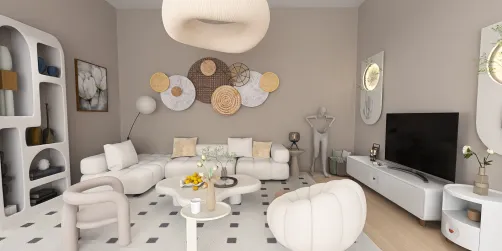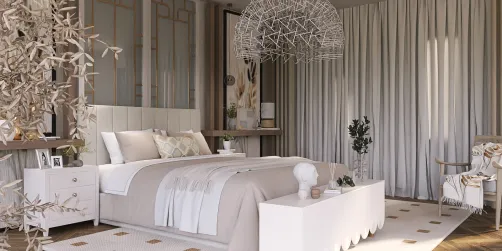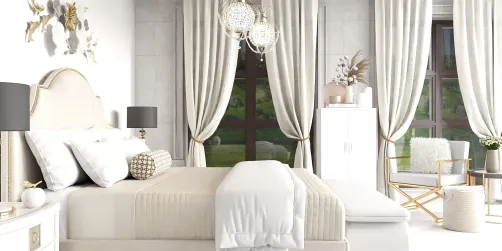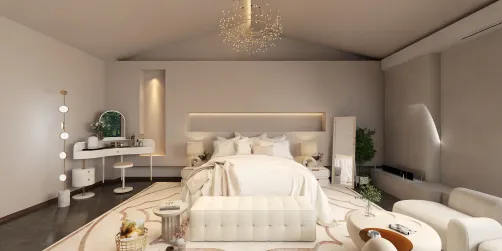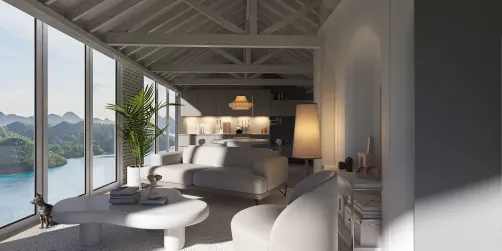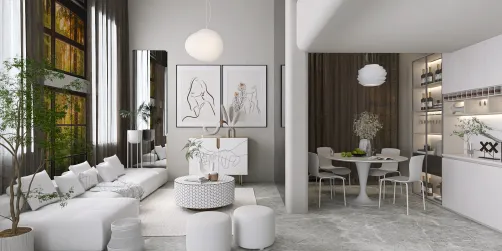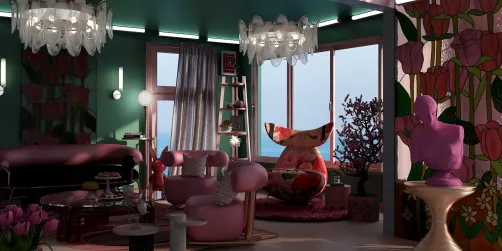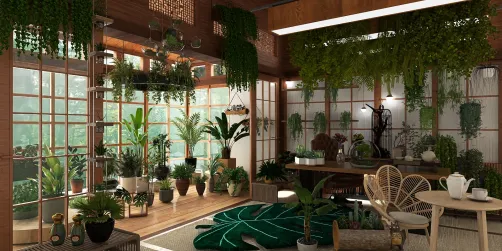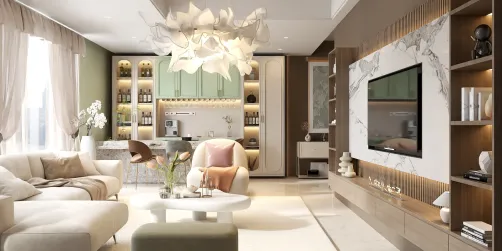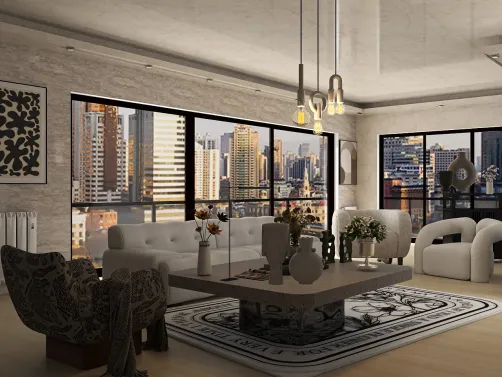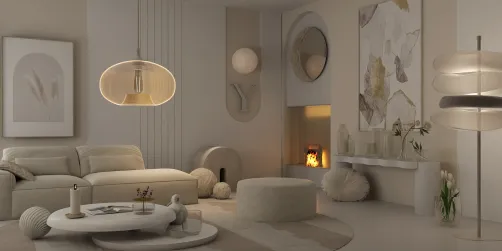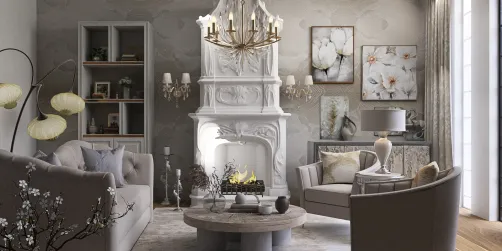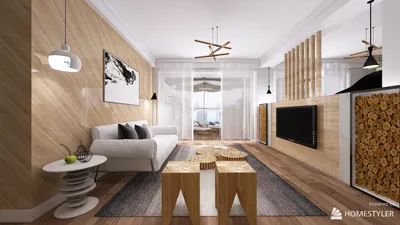
In recent years, there's been a noticeable evolution in living room design trends—concrete floors have transitioned from being confined to industrial lofts to becoming a stylish option for residential spaces. With the right design touch, these floors can exude warmth, comfort, and a unique personality. As a designer with over a decade of experience in both small and expansive environments, I've found that concrete can truly ignite creativity. This material is particularly advantageous for compact areas, offering visual harmony and versatility. In this article, I will present 10 innovative living room concrete floor ideas, combining my insights with expert recommendations and practical instances.
Sleek Minimalism
Insight: One of my preferred transformations involved a highly polished concrete surface complemented by soft, plush rugs. The reflective nature of polished concrete instantly brightened the compact living area while lending a modern flair.
Advantages: A polished concrete floor is simple to maintain, introduces an air of sophistication, and pairs magnificently with minimalist decor. As highlighted by Architectural Digest, a properly sealed polished finish can retain its shine for decades.
Disadvantages: It may feel cold in the winter months and has the potential to become slippery if not treated with a non-slip coating.
Suggestion: To enhance comfort, layer the floor with a rug made from natural fibers, which also defines the seating arrangement.
Cozy Industrial Aesthetic
Insight: In a recent urban apartment renovation, we opted to retain the concrete's raw finish, incorporating warm-toned leather furniture and ambient lighting. The outcome was a cozy industrial vibe that struck a balance between urban style and homeliness.
Advantages: Raw concrete lends character, masks wear better than other flooring types, and provides a grounded look. It pairs well with open-concept layouts.
Disadvantages: If not sealed, dust can accumulate on the porous surface, and it may appear overly stark in dimly lit areas.
Combining raw concrete with minimalist shelving and thoughtful layout design can balance rugged aesthetics with functional practicality.
Colored Concrete Patterns
Insight: I previously worked on a townhouse where we applied an acid stain to the concrete in a warm terracotta hue—this added depth and life to the living space without the need for additional floor layers.
Advantages: Staining provides a variety of colors and patterns, resulting in a unique, low-maintenance surface. Furthermore, it is generally more cost-effective than completely replacing the flooring.
Disadvantages: Variability in color consistency can occur, and reversing a stain if you change your mind later may prove challenging.
Concrete with Decorative Rugs
Insight: When clients express concerns about concrete feeling excessively hard, I often recommend investing in one or two large area rugs. In one coastal home, a light jute rug immediately softened the ambiance.
Advantages: Rugs introduce warmth, color, and comfort while creating visual distinctions without permanently altering the floor.
Disadvantages: High-pile rugs may trap dust and require more intensive maintenance.
Complement with Wooden Elements
Insight: My living room features a concrete floor bordered with reclaimed wood planks. This combination adds tactile variety and creates a welcoming atmosphere.
Advantages: Merging wooden accents with concrete offers a delightful fusion of warmth and coolness, ideal for transitional spaces. Experts agree that varying flooring textures enhance visual appeal in expansive areas.
Disadvantages: Wooden overlays can slightly elevate the floor height, necessitating careful consideration of door clearances.
Explore designs that cleverly combine wood features with efficient layouts to utilize both materials effectively.
Matte Finished Concrete
Insight: In a Scandinavian-inspired refresh, we applied a matte finish to the concrete. This gave it a softer visual impact while maintaining the durability characteristic of concrete.
Advantages: Matte surfaces are better at concealing smudges than glossy finishes and align well with minimalist or Nordic decor styles.
Disadvantages: Without periodic resealing, the floor may become more susceptible to stains over time.
Stylish Geometric Inlays
Insight: Geometric decorative inlays in concrete have surged in popularity. In one project, brass strips embedded within the concrete produced a luxurious, Art Deco-inspired finish.
Advantages: This design choice transforms the floor into a prominent feature rather than just a functional surface.
Disadvantages: The investment is generally higher, and it may be less adaptable if your aesthetic preferences shift.
Microtopping for Color Refresh
Insight: Microtopping provides an excellent way to rejuvenate an existing concrete floor without replacement. Recently, for a home office conversion, we painted the floor in a subdued blue-grey.
Advantages: This option creates a seamless appearance with a plethora of color choices; it's thin enough not to significantly alter floor height.
Disadvantages: It requires the skillful application of a tradesperson to ensure an even finish.
Integrated Underfloor Heating
Insight: The ultimate enhancement for comfort in concrete flooring is the installation of underfloor heating. I've implemented this feature in various projects, and my clients frequently rave about the year-round coziness it provides.
Advantages: This system resolves the cold floor issue, distributes warmth evenly, and frees up wall space from radiators. Research from Energy.gov highlights its efficiency in well-insulated homes.
Disadvantages: The initial installation costs can be significant, and retrofitting can be cumbersome.
Consider pairing heating solutions with open-plan designs that create a harmonious flow between kitchen and living areas for a more inviting environment.
Striking High-Contrast Designs
Insight: In a bold contemporary undertaking, we chose deep charcoal concrete against white walls and vibrant artwork. The flooring became the focal point of the design.
Advantages: This approach establishes a strong visual statement and beautifully frames furniture pieces.
Disadvantages: Dust and scratches are more conspicuous on darker surfaces.
Final Thoughts
For me, small living rooms featuring concrete floors are not about limiting design options; instead, they inspire more intelligent decisions and layered creativity. Concrete's adaptability allows for a range of styles from minimalist to industrial, colorful to warm, depending on personal preference. As design authority Leatrice Eiseman from Pantone wisely states, 'The floor is the fifth wall—make it count.' Which of these 10 innovative living room concrete floor ideas, especially when enhanced by tools like Homestyler, would you be enthusiastic to implement?
Frequently Asked Questions
1. Are concrete floors suitable for living rooms?
Indeed, they are durable, require low maintenance, and can seamlessly adapt to various design styles, particularly in smaller spaces.
2. Do concrete floors contribute to a cold living room atmosphere?
They can feel cool underfoot; however, underfloor heating or utilizing large area rugs effectively mitigates this issue.
3. Is it feasible to place wooden overlays on a concrete floor?
Absolutely, provided there are suitable moisture barriers, wood accents can enhance the look and feel without harming the concrete beneath.
4. What is the best cleaning method for living room concrete floors?
Regular sweeping and periodic damp mopping with a neutral cleaner are advisable—steer clear of harsh chemicals that may affect the seal.
5. Are stained concrete floors known for their durability?
Yes, when sealed appropriately, stained concrete floors are extremely durable and resistant to spills, making them ideal for high-traffic areas.
6. Is it possible to integrate heated concrete floors in living spaces?
Yes, radiant heating systems work effectively with concrete and enhance overall comfort throughout the year.
7. What is the typical cost range for concrete floors in living rooms?
Costs can differ significantly based on the finish, patterns, and heating integration; however, basic polished concrete remains relatively affordable.
8. Will concrete flooring develop cracks over time?
Hairline cracks may occur naturally, but proper installation and the inclusion of control joints can minimize visible issues for many years.
Homestyler is your go-to online platform for transforming home design dreams into reality. With an easy-to-use design tool, stunning 3D renderings, and a wealth of inspiring design projects and DIY video tutorials, you can effortlessly create and visualize your ideal spaces—no experience needed!