Once, I installed a chandelier upside down, believing it would create a more ‘edgy’ look. That experience taught me a valuable lesson about the importance of trusting gravity when it comes to lighting. It made me realize that the right fixtures can dramatically transform a space, especially in smaller homes where every design choice has a significant impact. For compact areas, finding innovative lighting solutions is crucial. Today, I'm excited to share five practical lighting ideas I've utilized in past projects that can enhance great rooms without excessive spending.
1. Layered Lighting Featuring a Statement Pendant
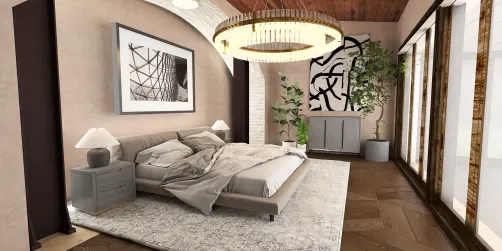
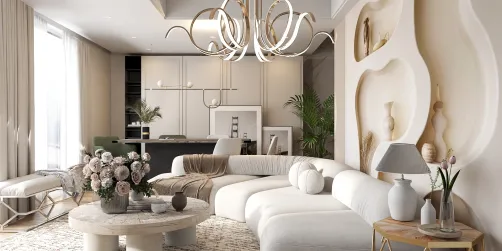
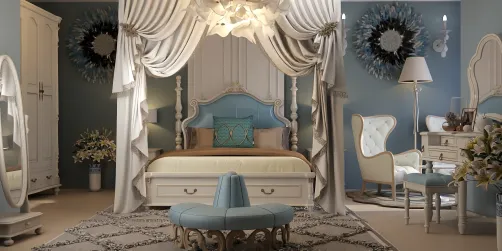
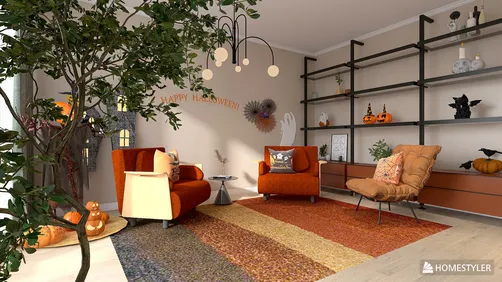
Starting with a striking pendant light as the room’s centerpiece is an approach I favor; it captures attention and establishes a focal point. Combine it with dimmable recessed lights for overall brightness and a couple of table lamps to add warmth. This layered strategy allows for adjustable ambiance and functionality. However, it's essential to balance the scale — a pendant that's too large can be overwhelming, while one that's too small gets lost, so consider measuring and creating a mock-up before making a purchase.
save pin
2. Flexible Track Lighting
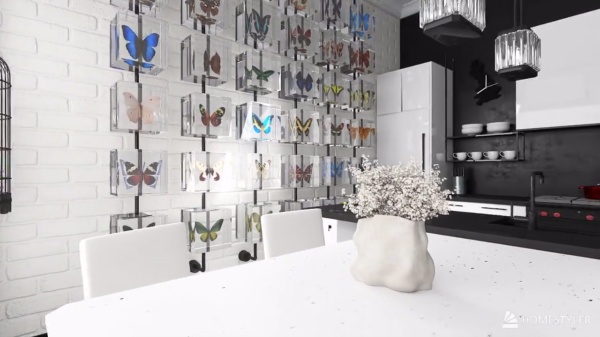
When clients are looking for adjustable lighting to highlight artwork, shelves, or cozy reading nooks, I often recommend track lighting. These systems are versatile, easy to adjust, and more affordable compared to installing multiple standalone fixtures. My only piece of advice is to opt for high-quality LED heads to ensure consistent color rendering and to plan the track layout carefully to prevent visual chaos on lower ceilings.
save pin
3. Recessed Lighting Paired with Accent Spots
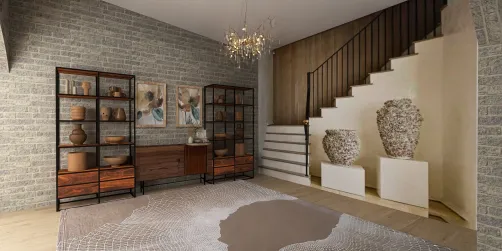
Using recessed cans provides a clean and modern ceiling appearance, while accent spots draw attention to architectural elements or a fireplace feature. In smaller great rooms, recessed lighting minimizes visual distractions and maintains clear sightlines. However, installation can be challenging in existing homes, so I occasionally suggest surface-mounted options when ceiling access is limited.
save pin
4. Wall Sconces to Enhance Perceived Space
Wall sconces reflect light off vertical surfaces, making the room appear taller and more layered. In a recent compact great room project, I used pairs of slim sconces, and the client appreciated how the walls seemed to recede. The key is accurate placement; sconces must be positioned at the right height and spacing to avoid glare or excessively dark corners.
save pin
5. Smart Lighting Scenes with Tunable LEDs
Tunable white LEDs and smart scene controls are transformative for multifunctional great rooms. They enable shifting from bright, cool lighting for work tasks to warm, cozy settings for movie nights, making the space remarkably adaptable. Although these technologies can increase costs and require a bit of a learning curve, clients quickly recognize their value once they see how effortlessly a scene can alter the room's atmosphere.
Are you looking to visualize lighting layouts and experiment with fixture placements? I frequently utilize a room planner to draft ceiling designs and light arrangements virtually before finalizing any wiring.
save pin
Tips 1:
From a budgeting perspective, it's wise to blend investment pieces, like a standout pendant or quality recessed LEDs, with economical accents such as track heads and sconces. Always verify color temperature and CRI to ensure flattering skin tones and compatibility with various materials, and consider incorporating dimmers from the beginning as they are essential for setting the right mood.
save pin
FAQ
Q: What color temperature is ideal for a great room?
A: I recommend tunable white lighting in the range of 2700K to 3500K; use warmer tones for a cozy feel and slightly cooler shades for working areas.
Q: How many recessed lights are necessary for a 20x15 great room?
A: Generally, the spacing should be half the ceiling height in feet. Following this rule of thumb, along with a mock-up, can help refine the precise placements.
Q: Are LED fixtures worth the initial investment?
A: Absolutely — LEDs are energy-efficient, long-lasting, and modern ones provide excellent CRI for color accuracy.
Q: Is it possible to mix pendant and recessed lighting effectively?
A: Definitely. A pendant light can anchor the seating area while recessed fixtures deliver consistent ambient light — they work well together.
Q: How high should pendant fixtures be above a coffee table?
A: Generally, around 30 to 36 inches above the tabletop is ideal, but this may need adjustment based on ceiling height and the specific scale of the fixture.
Q: Do smart bulbs compromise light quality?
A: While some early smart bulbs had lower CRI, many current options offer high CRI and tunable temperatures. Always check the specifications before purchasing.
Q: Where can I find reputable room layout tools for testing lighting designs?
A: I rely on online room design tools to plan lighting placements and ceiling designs before installation, one recommended option is Homestyler, known for its user-friendly interface.
Q: Are there formal lighting standards that I should adhere to?
A: Yes, it's advisable to consult publications from the Illuminating Engineering Society (IES) for guidelines on recommended light levels and best practices (ies.org) for detailed direction.
save pin
Discover the joy of home design with Homestyler! This user-friendly platform offers an intuitive online design tool, stunning 3D renderings, and a wealth of inspiring design projects. Plus, with DIY video tutorials at your fingertips, transforming your space has never been easier or more fun!