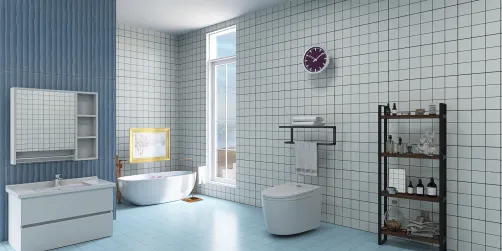
A client once challenged me to design a laundry room that accommodated the unique needs of a triathlete's gear, dealt with a dog's muddy trails, and still looked perfect for Instagram — all within a space no larger than a closet. This experience highlighted how small areas can inspire significant creativity and taught me that crafting a thoughtful space planning mockup at the onset can save countless hours of headaches. In this article, I'll present five innovative laundry room concepts that I regularly utilize in my designs to keep athletic gear fresh, facilitate drying, and manage damp odors using tools like Homestyler.
1. Defining Zones: Wet, Dirty, and Clean
I always partition the laundry room into three functional zones: a wet wash/dry area, a dirty drop-off space for shoes and jerseys, and a clean area for folding and packing. This effective setup makes chores feel more manageable, especially for athletes who are constantly cycling through their gear. While tight spaces can feel constricting, clearly defined zones help prevent cross-contamination and streamline the process.
save pin
2. Speedy Drying Solutions with Forced Air and Vertical Racks
One clever strategy I use is to combine a compact ventilated dryer or a condenser dryer with vertical, wall-mounted drying racks. The key is to position these racks near the dryer exhaust, allowing the humid air to escape efficiently. Although this may increase energy consumption slightly, for athletes, the quicker turnaround is invaluable; for budget-conscious builds, opting for low-energy dehumidifiers can serve as an excellent middle ground.
save pin
3. Resilient Surfaces for Easy Maintenance
Athletic gear and mud require surfaces designed to withstand wear and tear, such as porcelain tiles, waterproof wall panels, and grout-free countertops. I often suggest utilizing simple, durable materials; while they may lack the refinement of high-end finishes, they excel in longevity. To ensure clarity in layout, I always provide a detailed floor plan that allows clients to visualize where water and gear will flow before making any finish selections.
save pin
4. Efficient Storage: Ventilated Bins and Shoe Stations
Using mesh bins, ventilated lockers, and angled shoe shelves not only helps to mitigate odors but also promotes better air circulation. In one project, I installed labeled cubbies for a family of three athletes; it resembled a school locker room but effectively reduced morning chaos by half. However, to prevent visual clutter, I always recommend combining storage solutions with user-friendly labeling.
save pin
5. Multipurpose Fixtures: Combining Utility Sink, Boot Washer, and Folding Surface
When space is limited, it's advantageous to combine functions: incorporating a deep utility sink, a pull-out boot washer hose, and a flip-up folding surface can maximize utility in a single wall run. While this approach may require complex plumbing and incurs higher initial costs, the result is a highly efficient laundry workflow. I conclude my projects with realistic 3D renderings via Homestyler so that clients can fully grasp scale and functionality before construction begins.
save pin
FAQ
Q: What essential features should be included in an athletic laundry room?
A: Focus on maximizing drying capabilities, selecting durable finishes, and ensuring zoned storage. Having a utility sink and ventilated storage can truly transform the care of sports gear.
Q: How can I prevent mold and mildew in a compact laundry space?
A: Prioritize good ventilation, choose moisture-resistant materials, and consider using a dehumidifier if your space lacks exhaust. Promptly removing wet items and maintaining airflow are key steps in reducing mold risks.
Q: Is a vented dryer essential for drying athletic gear?
A: Not necessarily — condenser and heat pump dryers can perform well in situations with no venting capability, although they may take longer. Heat-pump dryers are efficient and gentle on synthetic fabrics.
Q: What’s the best way to store wet shoes and cleats?
A: Rinse them, stuff with absorbent cloths, and air dry on ventilated racks; consider designated shoe lockers to contain odors and expedite drying.
Q: What budget-friendly strategies can help create an athletic laundry space?
A: Opt for durable yet inexpensive tiles and open shelving, focus on investing in plumbing and ventilation initially, and plan to upgrade cosmetic features over time to manage costs.
Q: Is it feasible to place a washer/dryer in a closet for sports laundry?
A: Yes, as long as proper ventilation is provided, including elevated trays to catch spills and methods to dry gear quickly; otherwise, moisture and odors may accumulate.
Q: How frequently should athletic items be laundered to prevent odor build-up?
A: Ideally, wash them after each heavy use or at least twice a week for frequently worn pieces; synthetic fabrics trap bacteria and require regular cleaning to maintain freshness.
Q: Are there any health concerns associated with damp laundry rooms?
A: Yes—excessive humidity can promote mold growth, negatively impacting respiratory health. The CDC advises that mold thrives in damp indoor conditions and recommends controlling moisture to mitigate mold-related issues.
save pin
Homestyler is an incredible online platform for home design. With its user-friendly design tool, stunning 3D renderings, and a wealth of DIY video tutorials, you can effortlessly create your dream space. Whether you're a beginner or an experienced designer, Homestyler makes home design accessible and fun!