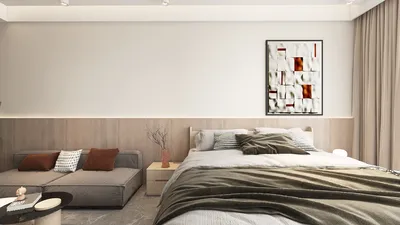


In recent years, interior design trends have tended towards creating a seamless connection between the kitchen and living quarters. From my own projects, I've discovered that even small areas can inspire exceptional creativity, as each choice plays a significant role. Regardless of whether you're working with an open-concept layout or a more spacious environment, the proper flooring can tie the design together, enhance durability, and evoke a sense of harmony. In this article, I will present 10 flooring concepts for both the living room and kitchen, combining my experiences with expert recommendations, including how tools like Homestyler can help visualize these ideas effectively.
1. Warm-Toned Hardwood
My Perspective: In a previous renovation of a compact loft, oak flooring dramatically shifted the entire ambiance, rendering the space both warmer and more inviting. In open-plan environments, using a single warm-toned wood type can harmoniously connect the living and cooking areas.
Advantages: Offers a timeless aesthetic, harmonizes with a variety of interior styles, and can be refinished when signs of wear appear. It pairs effortlessly with both modern and traditional kitchen designs.
Disadvantages: Susceptible to scratches in high-traffic zones, and any spills from the kitchen must be cleaned up promptly to prevent damage.
Tip: If your budget permits, consider opting for engineered hardwood for superior resistance to moisture.
2. Continuous Large-Format Tiles
My Insight: In a recent project, we chose oversized porcelain tiles throughout a small apartment, which made the entire area feel more spacious. The continuous look of large-format tiles is ideal for open-plan living areas.
Benefits: Simple maintenance, visually creates the illusion of a larger area, and many styles now emulate the appearance of stone or wood.
Drawback: Can feel cold underfoot, particularly in the winter months, unless underfloor heating is used.
For layout ideas maximizing countertop space, large-format tiles can complement the seamless flow beautifully, especially when using tools like Homestyler to visualize the layout.
3. Luxury Vinyl Plank (LVP)
My Recommendation: I frequently suggest LVP to clients desiring the look of wood but requiring water resistance for kitchen areas. I incorporated this flooring in a compact home where it unified the gray matte kitchen and living space effortlessly.
Pros: Cost-effective, durable, available in waterproof options, and feels comfortable underfoot.
Cons: May lack the luxurious feel of natural wood, and patterns might repeat with poor installation.
4. Polished Concrete
My Experience: In redesigning a modern-industrial residence, polished concrete shone as the focal point. Its ability to reflect light provided the living area with a bright, gallery-like atmosphere.
Pros: Highly durable, presents a contemporary aesthetic, and pairs well with radiant floor heating. It is also lower maintenance compared to traditional grout-heavy surfaces.
Cons: Its hard surface can be uncomfortable for prolonged standing and necessitates professional installation.
5. Patterned Cement Tiles
My Take: For a bohemian-style client, we implemented Moroccan-style cement tiles exclusively in the kitchen space, complemented by oak flooring in the living room. This contrast effectively defined each zone while keeping them connected.
Pros: Introduces visual interest, ideal for delineating areas without the need for walls, and offers an endless variety of patterns.
Cons: Requires sealing and may develop patina over time, which some may see as an aesthetic element.
6. Cork Flooring
My Observation: Cork flooring surprised me with its success in a recent urban condo project, as the client desired a soft, sustainable, and warm surface.
Pros: Eco-friendly, provides insulation, is easy on the joints, and remains warm year-round.
Cons: Can lose color in direct sunlight and is vulnerable to dents from heavy items.
Note: Ensure high-quality sealing to shield it from occasional kitchen spills.
7. Herringbone Wood Pattern
My Insight: Installing a herringbone pattern in a modest area instantly enhanced its sophistication. The subtle dynamic of the pattern draws the eye seamlessly between the living and cooking spaces.
Pros: Timeless yet contemporary, conveys luxury, and beautifully complements Scandinavian or Parisian-inspired interiors.
Cons: Installation can be costlier and demands precise craftsmanship.
Patterns like herringbone pair well with airy interiors—envision glass backsplashes creating an expansive feel in coordinated designs.
8. Mixed-Material Border
My Approach: Occasionally, I merge two flooring materials to frame functional spaces, such as creating a tile ‘rug’ in the kitchen while maintaining wood flooring elsewhere.
Pros: An innovative zoning solution, can highlight cooking areas, and facilitates playful design accents.
Cons: Installation can be intricate, necessitating perfectly level transitions.
9. Bamboo Flooring
My Client's Choice: A sustainability-driven client opted for bamboo flooring throughout their open-plan layout, where its light tone enlivened the entire space.
Pros: Renewable, stylish, durable, and generally more budget-friendly compared to hardwood options.
Cons: Sensitive to humidity fluctuations, and the quality can vary between suppliers.
10. Area Rugs Over Hard Floors
In my own residence, I utilize a textured area rug to define the living space while preserving the continuity of the flooring—an ideal solution for compact areas.
Pros: Introduces softness and warmth, with the added benefit of seasonal or trend-driven changes easily achieved.
Cons: Kitchen rugs necessitate frequent upkeep; cleaning can be a challenge.
They are particularly effective in designs where warm wood elements complement the aesthetic that rugs can enhance further.
Summary
Ultimately, the flooring solutions for your living and kitchen areas should revolve around intelligent selections rather than limitations. Small kitchens prompt creative thinking, and when aesthetic considerations align with functionality, the outcome can be breathtaking. As highlighted by the American Society of Interior Designers, consistent flooring can amplify perceived space by up to 20%. So, which of these flooring ideas would you consider for your home, especially with visualization tools like Homestyler?
FAQ
1. What is the most durable flooring option for the living room and kitchen?
According to the National Kitchen and Bath Association, porcelain tiles and polished concrete are excellent choices for durability.
2. Is it feasible to use hardwood flooring in the kitchen?
Indeed, but it is advisable to choose engineered hardwood for enhanced moisture resistance, being mindful of proper sealing.
3. Which flooring is best suited for small open-plan spaces?
Continuous materials, like large-format tiles or LVP, can enhance the feeling of spaciousness.
4. How can I effectively combine different flooring materials in the living room and kitchen?
Utilize transitions or borders, ensuring they are level to prevent tripping hazards.
5. Are cork floors appropriate for kitchen use?
Yes, but ensure they are sealed properly and clean up spills without delay to prevent damage.
6. Is bamboo flooring water-resistant?
Natural bamboo is not fully waterproof; however, strand-woven bamboo with suitable finishes can withstand moderate kitchen usage.
7. How can I maintain a rug in the living room near the kitchen?
Opt for washable rugs or those crafted from stain-resistant materials to ease upkeep.
8. Do cohesive flooring solutions enhance home value?
Yes, uniform, high-quality flooring across living and cooking areas can increase attraction and market value.
Homestyler is your go-to online home design platform! With its user-friendly design tool, stunning 3D renderings, and a wealth of inspiring design projects and DIY video tutorials, you can effortlessly transform your space into a dream home. Unleash your creativity today!
立即免费设计
































