I had a client once who was adamant about positioning their home office within view of the chicken coop — yes, literally — so they could "consult with the hens" during video calls. This quirky request made it clear that a farm office should prioritize practicality while embodying a touch of whimsy, all while remaining highly adaptable. If you are considering a farm office, embracing compact designs often leads to the most innovative solutions; below, I'll share five concepts I've implemented in real projects and detailed reasons for their success, featuring Homestyler for layout inspiration.
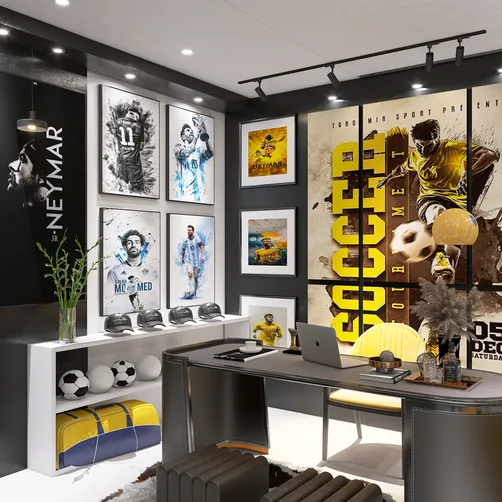
1. Barn-inspired desk nestled in a lean-to
For a client longing for rustic charm without sacrificing modern efficiency, I transformed a narrow lean-to into a barn-inspired workspace. A built-in desk beneath exposed beams instantly enhances the character of the room while maintaining a minimal footprint. However, this design might bring challenges with natural light unless skylights are incorporated; the result is a cozy, distraction-free work environment.
save pin
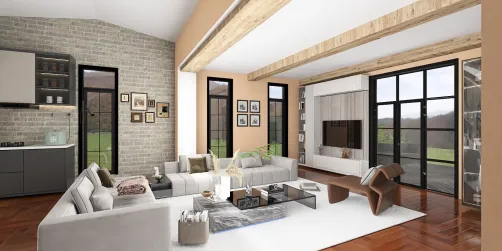
2. Sliding glass divider for light and peace
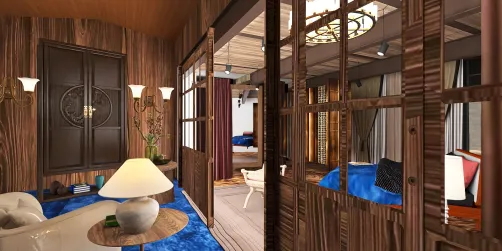
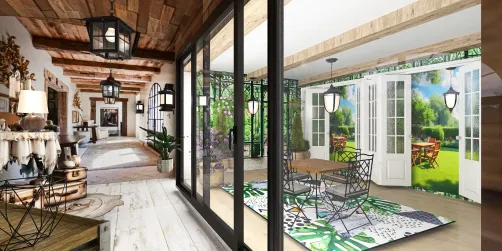
In one small farmhouse project, I introduced a sliding glass divider to create a separation between the office and the main living area. This setup maintains daylight and sightlines while reducing noise levels — ideal for those who value closeness with family but need some privacy for important calls. When sketching layouts in Homestyler, consider combining a sliding partition with multifunctional furniture to maximize a compact space, while a simple 3D floor plan assists in visualizing light and sightlines.
save pin
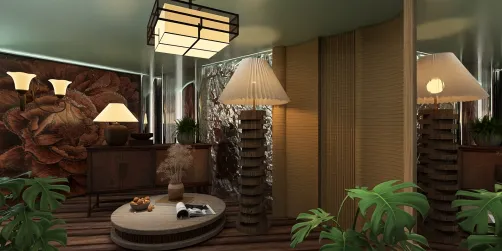
3. Elevated workspace above storage
By lofting the desk above storage, I was able to combine two functions within a single area — a strategy I employed in a cozy cottage where every square foot was precious. The primary benefit includes ample storage below and an airy workspace above; the only downside is the necessity for stairs or a ladder, alongside the requirement for sufficient headroom. For residences with taller eaves, this remains a favorite cost-effective upgrade.
save pin
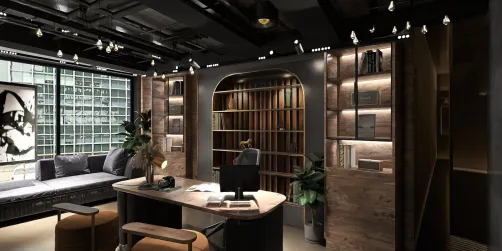
4. Office adjacent to the mudroom with a rustic storage aesthetic
Farm life generates a lot of equipment — hence, I usually recommend situating a small office next to a mudroom to prevent work and muddy boots from overlapping. Implementing sturdy materials such as sealed wood and metal, along with open cubbies for tools or sample bags, creates an authentic feel while keeping chaos at bay. Nevertheless, effective acoustic separation is crucial if the mudroom tends to get noisy.
save pin
5. Extended porch: a covered outdoor studio
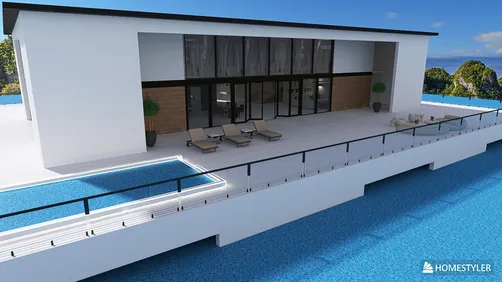
Often, the most effective farm office is a partially outdoor space. A covered porch equipped with insulated glazing and roll-down screens provides fresh air and connects you to nature without compromising your tech. I’ve designed these flexible studios to be enclosed during winter months; the main consideration is ensuring adequate insulation and power connections if you aim to use it year-round. And for substantial planning advancements, consider utilizing Homestyler’s AI home design capabilities to explore scenarios swiftly.
save pin
FAQ
Q1: What is the most suitable location for a farm office in a house?
I generally opt for areas with plenty of natural light and minimal foot traffic — whether it’s a lean-to, loft, or a secluded corner at the back of the house. Prioritizing tranquility along with access to power and internet is essential.
Q2: How can I prevent farm dirt from entering my office?
Utilize a boot tray at the entrance, install durable flooring such as sealed wood or vinyl, and create a small buffer mudroom. Regular cleaning stations can make a significant impact.
Q3: Do I require special insulation for an office on the porch?
Yes, if it’s intended for year-round use. Insulating walls and adding thermal glazing or insulated panels will help maintain warmth in winter, making the space comfortable.
Q4: Is it feasible to run a professional operation from a farm office?
Absolutely — numerous clients successfully manage consultancies or creative industries from their farm offices. Just ensure you have consistent internet, adequate lighting for video meetings, and a comfortable ergonomic setup.
Q5: How can I manage acoustics in a compact farm office?
Incorporating soft furnishings, acoustic panels, and filled bookcases can greatly reduce sound. If your office is near noisy machinery, consider installing a well-sealed door or even a small white noise machine for added peace.
Q6: What about ventilation and maintaining indoor air quality?
Ventilation is vital — make use of operable windows, mechanical systems, or an ERV system for more airtight spaces. The EPA provides valuable insights into indoor air quality and ventilation regulations: https://www.epa.gov/indoor-air-quality-iaq.
Q7: Is it costly to establish a dedicated farm office?
Expenses vary greatly: basic transformations can be budget-friendly if you repurpose available spaces, while adding insulation, glazing, or electrical upgrades can escalate costs. I always suggest focusing on elements that impact daily comfort first, such as heating, lighting, and connectivity.
Q8: How can I create a cozy yet professional ambiance in a farm office?
Blend natural materials like wood and metal with tidy lines and adequate task lighting. Incorporating a few plants and views of the farmland can enhance comfort while ensuring a clean and organized workspace maintains professionalism.
save pin
Homestyler is your go-to online home design platform! With its easy-to-use design tool, stunning 3D renderings, and a wealth of inspiring design projects and video tutorials, transforming your space has never been easier. Bring your dream home to life today!