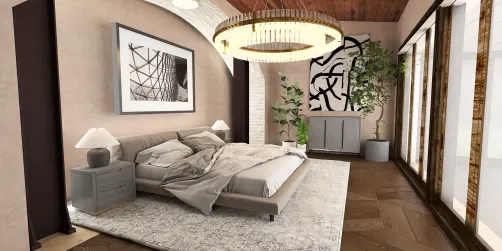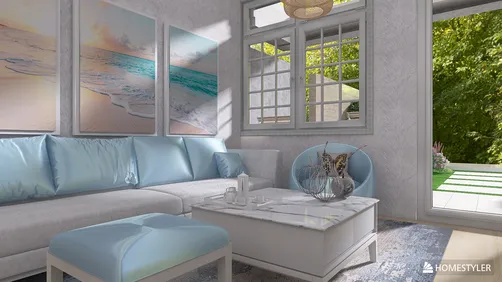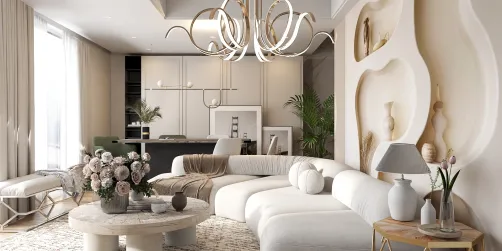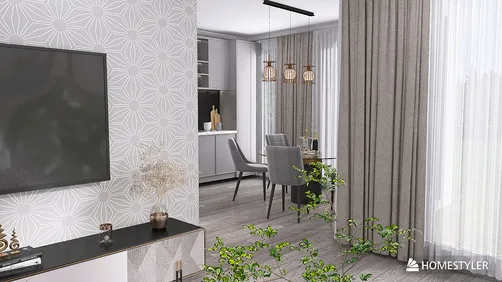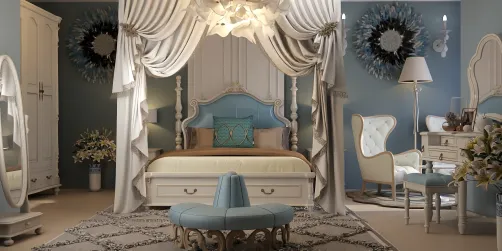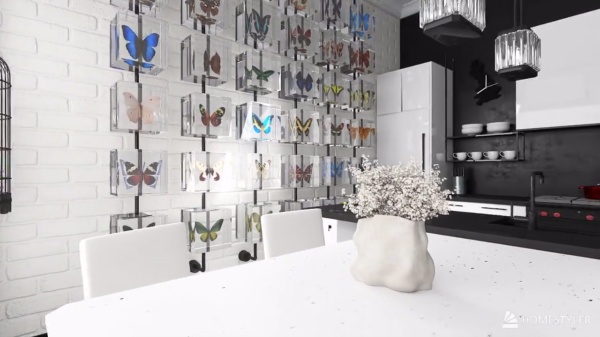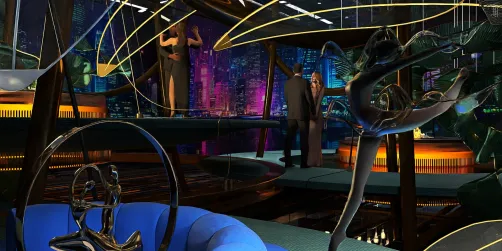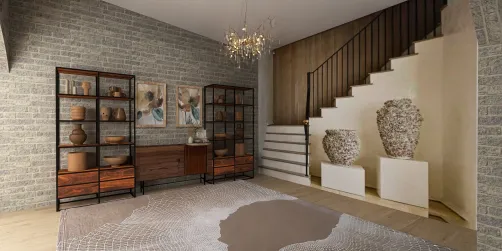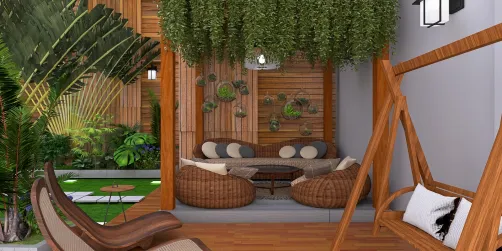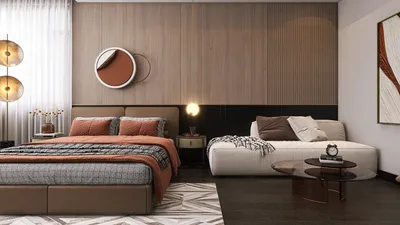
One of my initial clients made an intriguing request for the design of her through lounge dining room, aiming for an ambiance that would evoke the charm of Paris in the morning and the vibrancy of New York at night. This request, while amusing, opened my eyes to how minor adjustments in lighting, layout, and texture can significantly alter a space's atmosphere. Through lounge dining rooms hold a special appeal for me because they inspire creativity—merging two functions within potentially narrow or awkward layouts can lead to magical outcomes. Today, I am excited to share ten strategies I've employed in real projects to enhance these areas, making them not only functional but also stylish and full of character, thanks in part to the innovative design tool Homestyler.
1. Define Zones with Rugs and Lighting
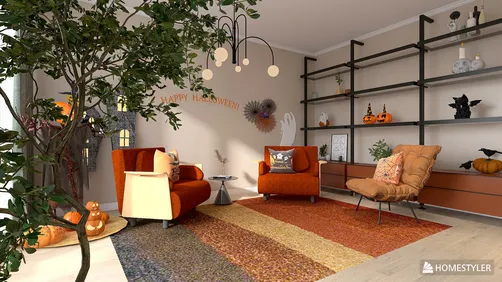
A swift way to delineate lounge and dining spaces without erecting walls involves the use of rugs and lighting. A striking rug under the sofa, combined with a statement pendant lamp over the dining table, guides the eye in identifying each area. This approach is even more effective when the furniture arrangement is visualized prior to making any purchases, possibly utilizing Homestyler for accurate planning.
2. Maintain a Cohesive Color Palette
Utilizing a unified color scheme across both areas creates a deliberate look, avoiding the feel of two mismatched zones competing for attention. I often opt for a neutral base complemented by two accent colors that appear in artwork, cushions, and seating. A common challenge here is to resist the temptation to overly decorate each zone independently.
3. Opt for Sliding or Glass Room Dividers
For clients seeking adaptability, sliding glass panels are my preferred choice. They allow light to flow freely, maintain open sightlines, and still provide the option to close off spaces for privacy when needed. It's essential to invest in quality tracks and smooth hardware to ensure a functional, elegant division, avoiding any frustrating disruptions.
4. Multi-functional Furniture
I once discovered a console table that transformed into a full dining table, perfect for a city apartment. This space-saving solution amazed guests and added a touch of magic. In through lounge dining areas, multi-functional furniture often takes center stage—just be diligent in sourcing pieces with robust construction for daily use.
5. Use Statement Artwork as a Visual Divider
Sometimes, an oversized piece of art can effectively serve as a divider between the two areas, acting as a visual focal point without obstructing light. Aligning furniture placements with the artwork can also subtly direct the flow of movement throughout the space.
6. Incorporate Built-in Storage Solutions
Custom built-ins along one wall can help unify the area while neatly concealing clutter. I've designed units that combine display shelves for the lounge with closed cabinets for the dining space, resulting in a cohesive appearance. Planning this layout with a basic floor plan tool, like Homestyler, aids in catching awkward gaps before construction begins.
7. Maintain Consistent Flooring
Nothing disrupts a space quite like varying floor materials. In my designs, I either extend the same wood or tile across both areas or utilize large-format tiles to create a seamless appearance. The drawback? Damage to flooring can be more challenging to repair without replacing a significant section—therefore, it's wise to select materials that are durable.
8. Implement Flexible Seating Options
Using stackable chairs or movable benches fosters ease in hosting. I have even repurposed lightweight sculptural stools to function as side tables or additional dining seats. However, ensure these options are comfortable enough for extended meals, rather than just quick bites.
9. Layered Lighting for Mood Enhancement
Adjusting the lounge lights while invigorating the dining area can transform the room's atmosphere, much like changing scenes in a theatrical production. A blend of ceiling lights, wall sconces, and floor lamps can effectively alter the mood without needing to rearrange furniture. I enjoy illustrating lighting arrangements with a detailed room layout in Homestyler so clients can visualize the impact ahead of time.
10. Use Mirrors to Enhance Light and Space
Through lounges often face limitations regarding natural light. I frequently position mirrors opposite windows to reflect sunlight deeper into the dining area. However, avoid placing mirrors where they may reflect clutter or the television; the goal is to create an illusion of spaciousness, not to double the disorder.
FAQ
Q: How can I create the illusion of a larger through lounge dining room?
A: To make a space appear more expansive, opt for light colors, low-profile furniture, and continuous flooring. Strategically place mirrors and keep pathways unobstructed.
Q: What is the optimal lighting strategy for these zones?
A: Different areas benefit from varying intensities of light. Utilizing dimmers allows for a smooth transition between a cozy lounge ambiance and a bright dining setup.
Homestyler is your go-to online home design platform! With its user-friendly design tool, stunning 3D renderings, and a wealth of inspiring design projects and video tutorials, you can effortlessly create and visualize your dream spaces. Start designing today!