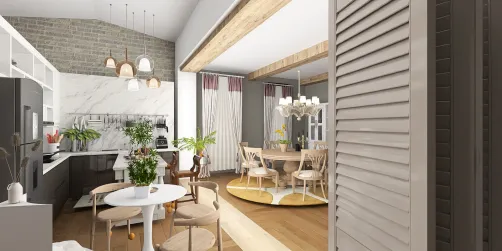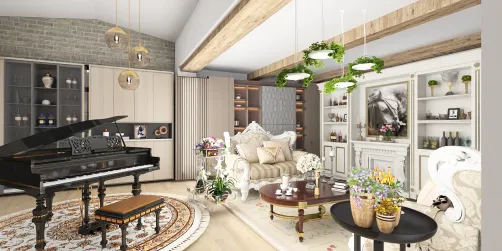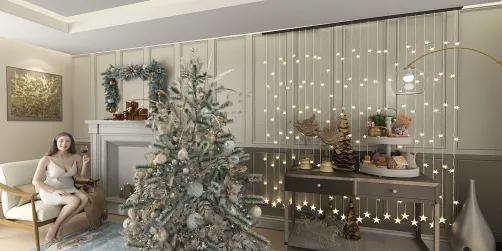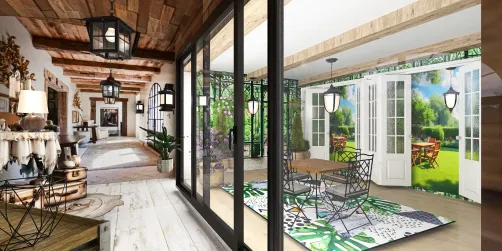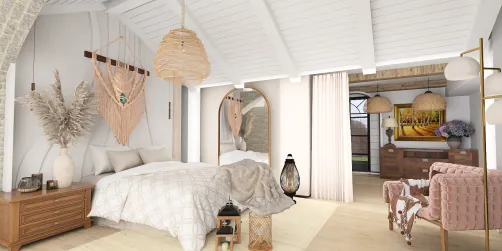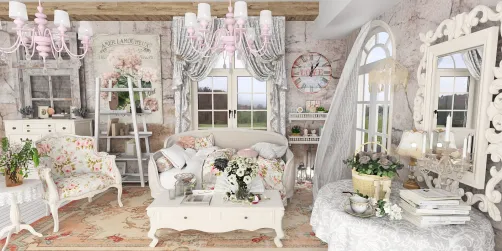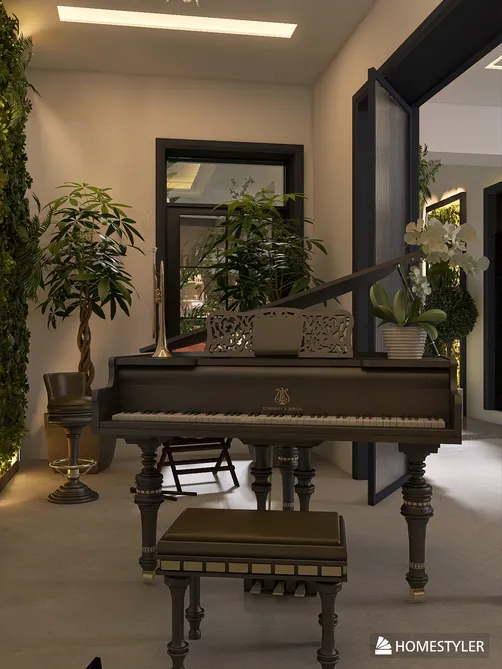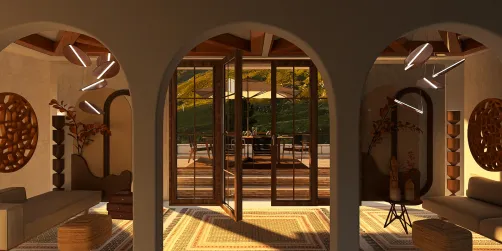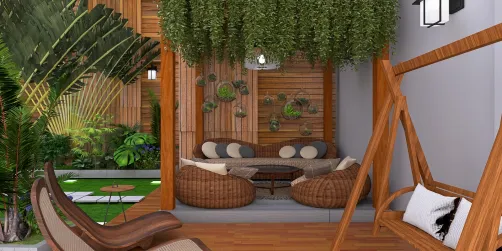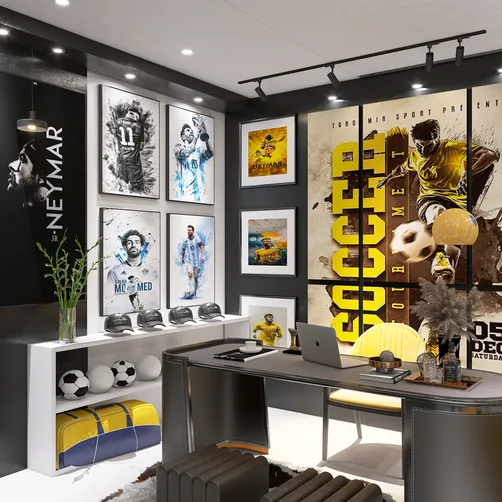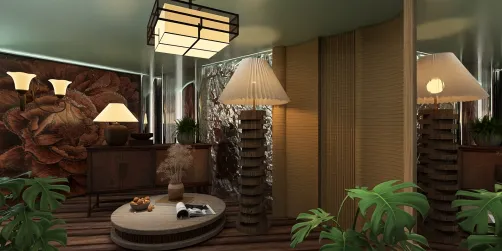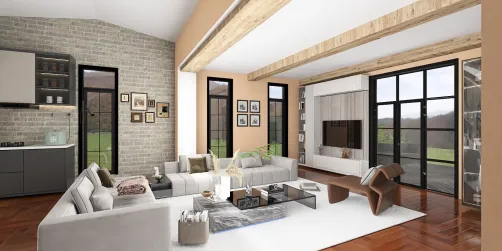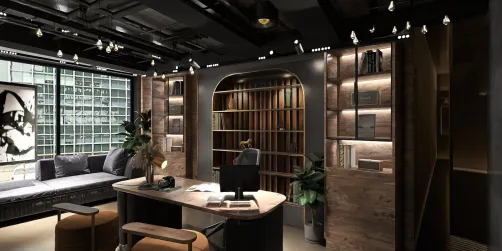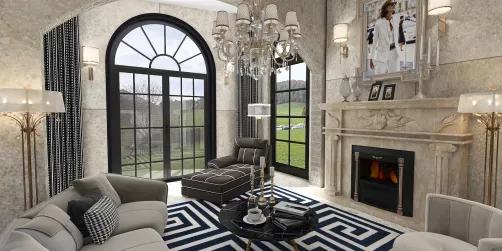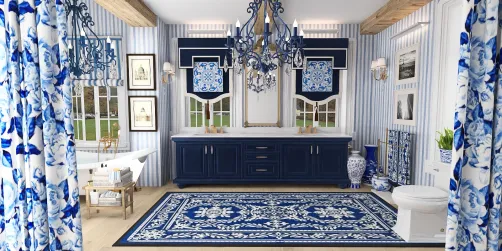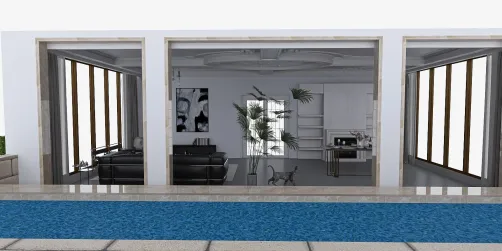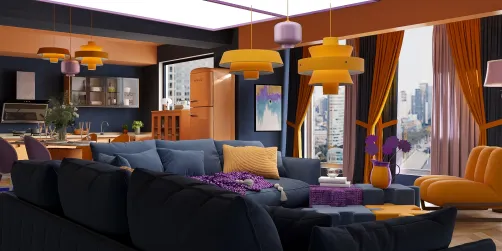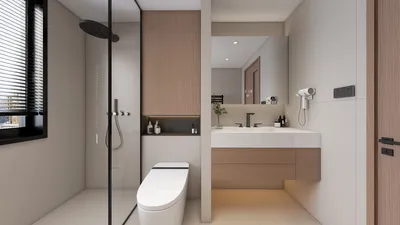
As a seasoned interior designer with more than ten years of practical experience, I have discovered that creative potential thrives in small, windowless spaces. Transforming a living room devoid of natural light can seem challenging, but with the right design techniques, these areas can become cozy and inviting. In this article, I'll share 10 innovative ideas for windowless living rooms that I have personally implemented in various projects, each integrating style, practicality, and a hint of personal narrative, enhanced with the help of Homestyler.
1. Multi-Layered Lighting for Atmosphere and Warmth
My Experience: During a particular project in a compact apartment, I learned to exploit the absence of windows by mastering layered lighting. By blending ambient, task, and accent illumination, the space became vibrant after dark.
Advantages: Utilizing several light sources creates a dynamic and flexible atmosphere in a windowless living room. Dimmable LED lights can simulate the natural transition from day to night.
Drawbacks: The setup can be costly initially, especially if multiple light fixtures are required.
Suggestion: For an airy ambiance, consider adding warm, indirect lighting around the ceiling edges.
2. Large Art Installations as a Centerpiece
My Experience: In one basement apartment, I hung a substantial abstract artwork on the main wall—it served as a visual substitute for a window.
Advantages: Large pieces of art can divert attention from the lack of windows while infusing character. Light-toned artworks can also brighten the interior.
Drawbacks: Choosing oversized pieces can be daunting and may come with a hefty price tag.
Example: I once paired vivid coastal-themed art with minimalist storage solutions to keep the room feeling airy and uncluttered.
3. Mirrors for Light Reflection and Space Illusion
My Experience: The times I have used mirrors to create the illusion of space are countless. They work wonders in dimly lit rooms.
Advantages: Mirrors reflect existing light, enhancing the perception of spaciousness. Architectural Digest notes that strategically placed mirrors can increase a room's depth by as much as 30%.
Drawbacks: Too many mirrors can appear overdone; they also require regular cleaning due to dust and smudges.
4. Soft and Neutral Color Schemes
My Experience: In a client’s tiny living area devoid of windows, we chose creamy white walls accented with soft beige. The effect was an instant sense of tranquility.
Advantages: Light, neutral hues reflect more light and diminish visual weight. They offer flexibility and timeless appeal.
Drawbacks: Maintaining brightness may necessitate frequent cleaning.
5. Textured Wall Treatments
My Experience: In a space lacking views, I opted for fabric-covered wall panels to introduce tactile appeal. Guests were always tempted to touch them!
Advantages: This approach adds depth and refinement. Choices like wood slats or acoustic panels can also enhance sound quality.
Drawbacks: Custom designs can be quite expensive.
6. Indoor Greenery
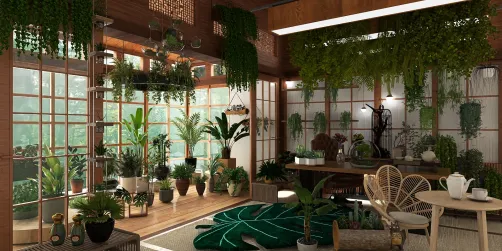
My Experience: Even without sunlight, some low-light plants like ZZ plants and pothos can flourish wonderfully indoors.
Advantages: Incorporating plants helps introduce natural elements, boosting mood. Studies by NASA show that greenery can enhance indoor air quality.
Drawbacks: You may need to use grow lights for certain plants in very dim settings.
Example: In one makeover, I elegantly draped trailing pothos around a bookshelf, complemented by space-efficient shelving ideas.
7. Captivating Ceiling Features
My Experience: Implementing a coffered ceiling in a low-light area transformed it into a glamorous space reminiscent of a designer showcase.
Advantages: This design draws the eye upward, adding drama without cluttering the floor space. It can seamlessly incorporate hidden lighting.
Drawbacks: Elaborate designs can extend renovation time and increase costs.
8. Built-In Storage Concepts
My Experience: In a no-window rental, I crafted a comprehensive media unit from wall to wall with concealed storage, effectively hiding clutter.
Advantages: This keeps surfaces tidy, fostering a sense of spaciousness. Custom solutions optimize every inch available.
Drawbacks: Such setups aren’t easy to move when relocating.
9. Glass Panel Feature Walls
My Experience: In a downtown loft without any exterior windows, we built an interior glass wall between the living area and kitchen, instantly uplifting the light in the space.
Advantages: This design enables light from adjacent areas to flow through, providing a modern aesthetic.
Drawbacks: This can compromise privacy between different living spaces.
Example: This project featured a brighter effect akin to glass backsplash designs common in airy kitchens.
10. A Statement Rug to Define the Area
My Experience: In the absence of window cues, a bold area rug can effectively delineate the space. In one instance, I chose a geometric design to introduce diversity among the neutrals.
Advantages: A rug adds texture, color, and helps define zones in a room lacking natural focal points. It's also portable and easily replaceable.
Drawbacks: It may require more upkeep if placed in a busy area.
Conclusion
Creating a living room without windows might seem like a restriction, but it’s actually an invitation to think creatively and strategically. According to the American Lighting Association, well-planned lighting can dramatically alter the atmosphere of a room. Which of these ten concepts would you be eager to implement? Homestyler can assist you in visualizing your ideas effectively.
FAQs
Homestyler is your go-to online home design platform, perfect for turning your ideas into reality. With its user-friendly design tool, stunning 3D renderings, inspiring design projects, and helpful video tutorials, you’ll have everything you need to create your dream space effortlessly.