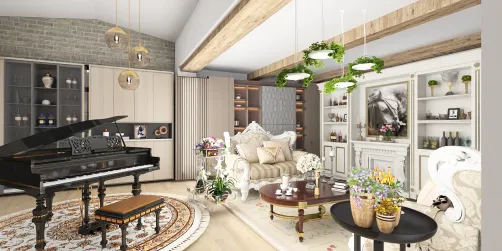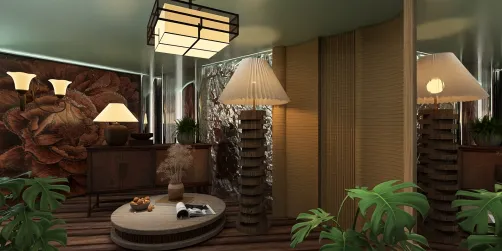
Once, I almost transformed a client's unrefined basement into a sauna—quite literally! I recommended incorporating warm wood tones along with ample recessed lighting, without first checking the humidity levels. Just two weeks after the client moved in, they contacted me regarding mold spots. This experience taught me the importance of starting with moisture control and thorough planning. I even conducted a quick room layout test using Homestyler before purchasing materials. Compact spaces can ignite significant creativity, so here are five design ideas for unfinished basement offices that I rely on consistently.
1. Light-optimized workspace: utilizing paints, mirrors, and layered lighting
Basements typically lack natural light; hence, I focus on bright ceilings, satin finishes, and carefully positioned mirrors to reflect light. Incorporating layered lighting—such as recessed downlights, wall washers, and adjustable task lamps—creates a professional ambiance. While this may require a higher initial investment, it significantly enhances comfort and lengthens focus periods.
Drawback: Electrical installations and high-quality fixtures can strain the budget. Practical tip: deploy LED strip lights behind shelving for low-energy ambient illumination, and consider using a dehumidifier to safeguard the finishes.
save pin
2. Glass partitions for privacy while maintaining openness
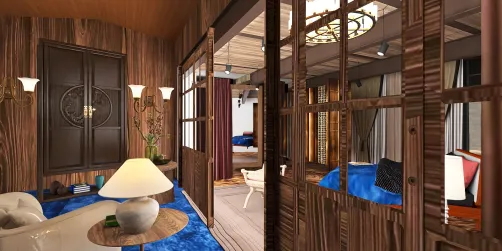
For those needing a meeting area or a secluded workspace, frameless glass or glass doors can establish division while preserving sightlines. I implemented this solution for a client requiring a quiet recording studio—the glass minimized visual clutter, and acoustic panels managed sound effectively.
Issue: Glass provides less sound insulation compared to drywall. Solution: Pair glass with soft fabrics, rugs, and a few suspended acoustic panels to reduce echo.
save pin
3. Integrated desk wall with storage solutions (optimized for space)
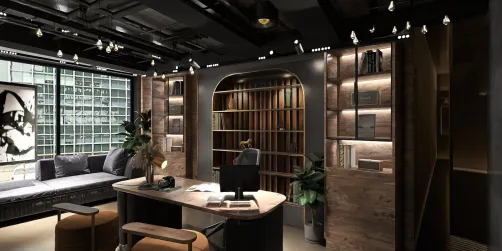
When the available floor space is limited, I design a continuous desk wall equipped with overhead cabinets and drawers underneath to conceal cables and paperwork. This approach not only appears tidy but also encourages ergonomic efficiency—the monitor is positioned at an ideal height and everything seamlessly has a designated storage spot.
A method I frequently use is presenting clients with a 3D rendering sample to convey scale and sightlines before they make a commitment. Although built-ins provide a fixed structure, they reduce flexibility, which is why I suggest modular inserts to adapt to evolving requirements.
save pin
4. Multi-functional layout: work, relaxation, and a small meeting area
I enjoy designing a little lounge within a basement office: a cozy chair, a side table, and a floor lamp allow users to switch tasks without exiting the area. Utilizing rugs and varying lighting helps distinguish different zones; dual power outlets and floor cable covers maintain usability and organization.
Risk: Clutter can build up if zone definitions aren't enforced. My principle: every bulletin board or shelf should serve a purpose—either for archiving, current projects, or inspiration—and exclude everything else.
save pin
5. Compact kitchenette and coffee station for extended work hours
Incorporating even a small sink, mini-fridge, and single-serve coffee maker can elevate spirits. Typically, I position a narrow countertop along an underutilized wall, complemented with cabinets above to conceal supplies; it’s a small indulgence that elevates the basement's intention and completeness. For layout suggestions, refer to a practical kitchen layout guide when planning dimensions.
The downside includes plumbing expenses and potential humidity issues; it’s crucial to collaborate with a plumber early in the process and ensure finishes are well sealed. A budget-friendly alternative is a freestanding cart with a hot-water dispenser and a mini fridge that circumvents major installations.
In conclusion, unfinished basements serve as blank canvases. Commence with moisture management and proper lighting, followed by storage solutions and distinct zones. I’ve recognized—sometimes the hard way—that thorough planning and realistic expectations can differentiate a cramped, chaotic space from a calm, productive office environment.
save pin
FAQ
Q1: Is it permissible to utilize an unfinished basement as an office?
Typically, yes, but it hinges on local building regulations and whether you alter occupancy types or introduce plumbing/electrical installations. Always verify with your local authority before making significant changes.
Q2: What steps should I take to address moisture and mold concerns?
Initiate with a dehumidifier, an adequate vapor barrier on walls, and waterproof paints or panels. Rectify any foundation leaks prior to finishing to prevent recurring issues.
Q3: Am I required to have an egress window to use it as an office?
Egress windows are normally mandated for bedrooms, not offices; though, regulations differ. Per the International Residential Code (IRC R310), egress guidelines apply to sleeping areas—consult your local building code for specifics.
Q4: What type of lighting is ideal for basement work areas?
Layered lighting is most effective: combination of ambient recessed lights, task illumination on desks, and accent lights for shelves or artwork. LEDs are energy-efficient and offer excellent color rendering for improved visual comfort.
Q5: How can I enhance soundproofing in a basement office?
Increase mass and decoupling: using insulated drywall, resilient channels, acoustic sealant on seams, and soft furnishings to absorb mid and higher frequencies. For impact noise from flooring, consider utilizing an underlayment or a thick rug.
Q6: Is radiant floor heating a sound option for basements?
Radiant heating provides excellent comfort in basements, as it avoids circulating cold air; however, installation can be pricey and might necessitate altering the flooring. Evaluate comfort advantages against the budget and consult with an HVAC professional.
Q7: What should I budget to complete a small basement office?
Costs can vary greatly by region and project scope: a basic update (paint, lighting, flooring) can be economical, while incorporating plumbing, insulation, and built-ins can elevate expenses. Seek multiple estimates and prioritize moisture management and lighting first.
Q8: Is it feasible to design the basement office independently?
If you possess handy skills, absolutely—begin with a well-defined plan addressing moisture, lighting, and power, and leverage straightforward 3D planning tools or consult a professional for structural or HVAC concerns. For complex layouts or code compliance, hiring a designer or contractor can prevent headaches and hidden costs.
save pin
Discover the ease of home design with Homestyler! This user-friendly platform offers a powerful online design tool, stunning 3D renderings, and a wealth of DIY video tutorials. Whether you're a beginner or a pro, bring your interior design dreams to life effortlessly!