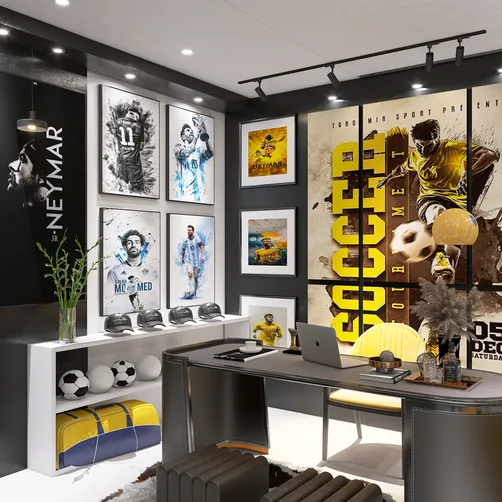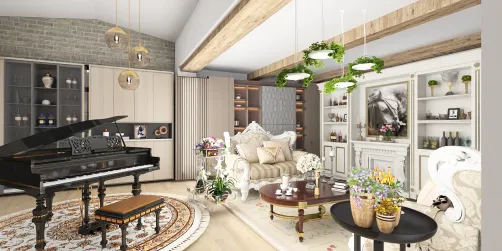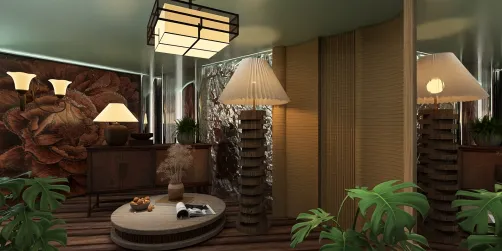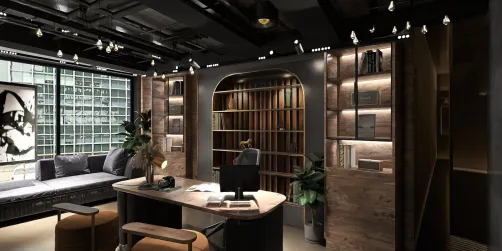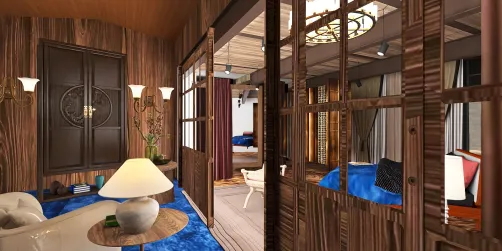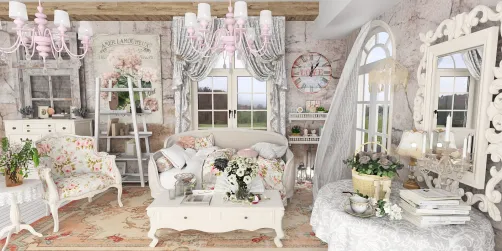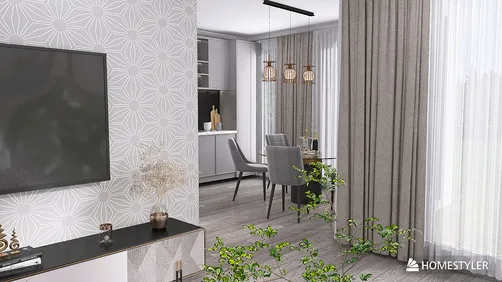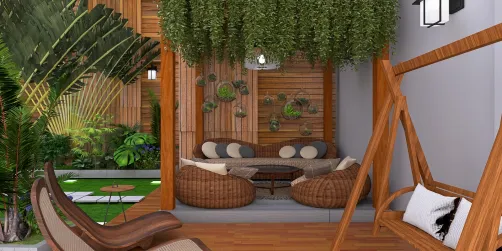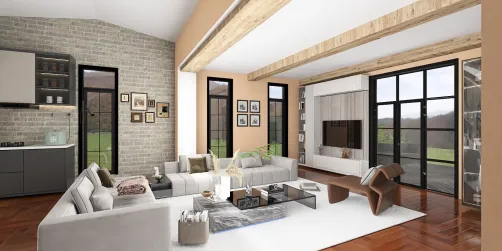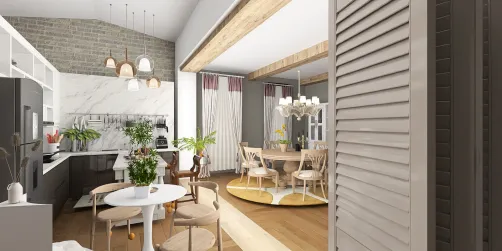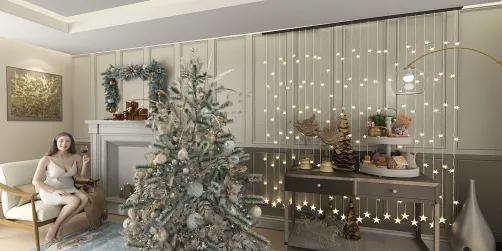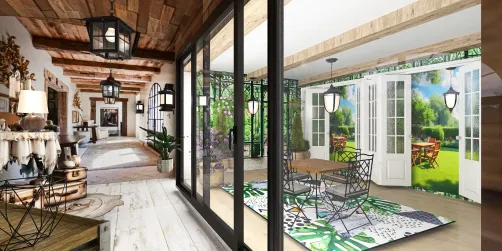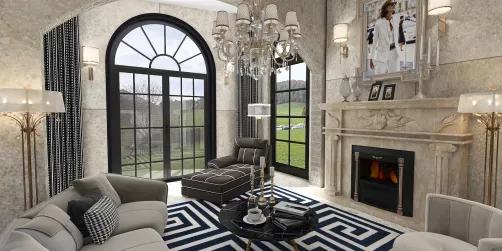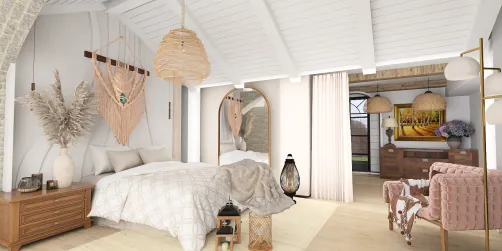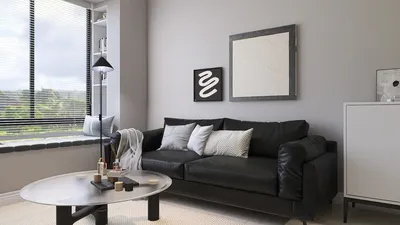
I once had a client who was adamant that their center table must serve as a pet house — a true story that illustrated to me how constraints can fuel creativity. When dealing with compact living areas, I often start by creating a quick 3D sketch to evaluate scale and sightlines. This approach saves significant time and prevents costly mistakes. It's fascinating how small rooms can inspire grand ideas, and I am excited to share five center table solutions that I frequently employ, especially with the help of Homestyler.
1. Nesting tables that stack during the day and spread out for use at night
Nesting tables are my favorite when versatility is key: they tuck under each other to maximize floor space and then expand for drinks, board games, or meals. They are budget-friendly and easy for beginners to manage, though it’s wise to select materials that won’t wobble when pulled apart.
save pin
2. Slim lift-top table featuring concealed storage
A lift-top coffee table offers a raised surface for work along with hidden storage for remotes and blankets, ideal for those who work from their couch. While the mechanism can add to the cost and weight, proper alignment is crucial. Once set up, it becomes a small luxury that meets multiple needs.
save pin
3. Ottoman-style table that provides additional seating
Upholstered ottomans bring a softer touch and enhance the coziness of a room; I recommend selecting one with a removable tray to prevent spills. I always confirm clearance and circulation with a quick mockup plan before purchasing upholstery to ensure the ottoman won’t obstruct movement or visual flow — a helpful tip when using tools like Homestyler. A budget-friendly idea: a washable slipcover can extend the life of a softer surface.
save pin
4. Clear acrylic or glass for a light visual effect
In the battle against visual clutter, a transparent acrylic or glass table keeps sightlines clear and makes the space feel more expansive. While scratches and fingerprints are potential downsides, acrylic tends to scratch more easily than glass, so consider this aspect against the more airier appearance it provides.
save pin
5. Narrow rectangular table positioned with the sofa
A slender rectangle placed in front of the sofa in a lengthwise orientation provides a defined surface without overwhelming a small area. This arrangement is particularly effective if you require footroom for legs or strollers. Before finalizing measurements, I compare the plan to a rapid room arrangement example to ensure adequate clearance and proportion — tools like Homestyler are great for this. Pro tip: opt for rounded corners if you have children or narrow walkways.
save pin
Frequently Asked Questions
How large should a center table be for a compact living room?
Aim for a table approximately two-thirds the length of your sofa, maintaining a distance of about 16 to 18 inches between the table and the sofa to allow easy access. These guidelines can be adjusted based on your specific layout and traffic patterns.
Is an ottoman more practical than a traditional coffee table?
Ottomans provide extra seating and a softer feel, while traditional tables work better for holding drinks and decorative pieces. For multifunctionality, an ottoman with a removable tray serves as an excellent compromise.
What are the ideal materials for center tables in small spaces?
Light-reflecting materials like glass or acrylic can maintain an airy atmosphere, while warmer woods add comfort but may seem heavier. Consider the durability versus the visual weight when selecting finishes.
How can I ensure a center table appears less bulky?
Opt for slim legs, low profiles, or transparent materials, steering clear of bulky bases that obstruct sightlines. A low-profile runner or minimal decor can help keep the table from dominating the space.
Is it possible to incorporate storage in a center table without it looking bulky?
Absolutely — lift tops, hidden drawers, and nested trays can help conceal clutter. The key is to maintain clean lines and matching finishes so that the storage appears integrated into the design rather than an afterthought.
What spacing should I leave around a center table?
Design recommendations suggest maintaining about 16 to 18 inches of space between seating and the table for comfort, but be mindful of circulation needs and door swings. (Source: Architectural Digest design guidelines for coffee table spacing.)
Are glass tables safe for homes with children?
Tempered glass is much safer compared to untreated glass and is a viable option if you prefer that aesthetic; consider incorporating rounded edges and opting for a lower profile for added child safety. Alternatively, acrylic can offer a similar look but is more prone to scratching.
How can I select a center table without breaking the bank?
Explore modular or second-hand options, or consider upcycling a vintage trunk or pallet by adding a new top. Simple updates—like fresh hardware or a coat of paint—can transform an affordable table into a focal point.
save pin
Homestyler is your go-to online home design platform, perfect for turning your interior dreams into reality. With its user-friendly design tool, stunning 3D renderings, and a wealth of design projects and DIY video tutorials, you can effortlessly create and visualize your ideal space, no experience needed!