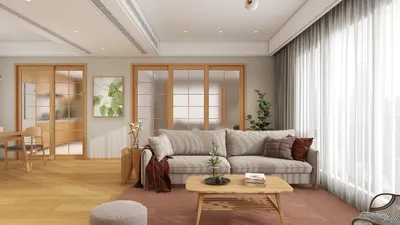
In recent years, bay windows have surged in popularity within living room design. As a professional who has revamped numerous small living spaces, I've discovered that a bay window is not just an attractive addition — it's a chance to establish a stunning, functional centerpiece. Whether your area is compact or spacious, these designs can inspire massive creativity. Today, I present you with 10 innovative ways to decorate bay windows in your living room, incorporating both my own design experiences and expert tips, along with the versatile 3D design tool Homestyler.
1. Cozy Built-In Seating
My Experience: A client once requested additional seating without overcrowding her living room. We converted her bay window into a custom bench with cushions, and it quickly became the household's favorite spot.
Advantages: This solution provides functional seating without consuming valuable floor space, making it ideal for smaller rooms. Built-ins also offer hidden storage beneath the seat, helping to maintain a tidy environment.
Drawbacks: It's a fixed design, which might be less suited for those who frequently rearrange their furniture.
Advice: Select fabrics that work well with throw blankets for seasonal updates, and for a minimalist bay window seating design similar to my own, utilize neutral hues and maximize natural light.
2. Window Seat with Bookshelves
My Insight: I crafted a cozy nook for a couple passionate about reading, integrating shelves around their bay window to create a personal library atmosphere.
Advantages: This style merges aesthetics with storage; it forms a warm reading corner that utilizes vertical space efficiently.
Drawbacks: If the shelves are overly deep, they may obstruct light and create a confined feeling in the bay area.
Budget Tip: Consider adjustable shelving to accommodate various configurations as your needs change.
3. Layered Window Treatments
Personal Experience: In my living space, I layered sheer curtains with Roman blinds to manage light while enhancing depth in the bay window.
Advantages: This method offers better control over privacy and lighting while creating a soft, luxurious atmosphere.
Drawbacks: More layers mean increased upkeep — routine washing or vacuuming will be necessary.
4. Indoor Garden Bay
My Take: For a client who loved gardening, we transformed her bay window into a haven for plants using tiered plant stands.
Advantages: With natural light coming from multiple angles, it's ideal for houseplants, bringing freshness to the room.
Drawbacks: Requires regular watering and maintenance; condensation may pose a challenge near wooden trims.
5. Statement Lounge Chair
My Approach: Sometimes, simplicity shines best — positioning a striking lounge chair in the bay, as I did with a mid-century modern piece, can achieve this effortlessly.
Advantages: It creates a designer aesthetic instantly; the flexibility to relocate the chair adds versatility.
Drawbacks: This doesn’t maximize seating compared to built-in solutions.
6. Dining Nook
My Concept: In smaller apartments with limited kitchens, I placed a round dining table in the bay window area, effectively moving mealtime into the living room.
Advantages: It capitalizes on natural light for dining purposes, saving space in compact homes. As noted in an Architectural Digest feature, dining in natural light can enhance mood and energy levels.
Drawbacks: A shallow bay may not allow sufficient room for dining.
Design Insight: Utilizing an open dining layout can assist in visualizing movement before making permanent changes.
7. Display Shelves for Art or Collectibles
My Vision: In a historical home, we adapted the bay as a curated mini-gallery for the owner’s travel memorabilia collection.
Advantages: This transforms the bay into a captivating focal point, and showcases can be easily updated over time.
Drawbacks: Direct sunlight might fade delicate items — applying UV film can mitigate this issue.
8. Low Storage Cabinets
My Idea: I designed low cabinetry that followed the curve of the bay, topped with a cushion for casual seating.
Advantages: It provides hidden storage while maintaining an unobstructed view; perfect for stowing board games or blankets.
Drawbacks: Custom cabinetry can be more costly.
9. Home Office Bay
My Adaptation: As remote work became prevalent, I modified a client’s bay to incorporate a narrow desk that fit perfectly.
Advantages: Natural light keeps the workspace bright and welcoming; it also separates the office from the main living area smoothly.
Drawbacks: Glare on screen can be problematic — light-filtering blinds are a helpful solution.
Inspiration: Check how well-lit workspaces can reinvent a home office bay.
10. Accent Lighting in the Bay
My Preference: I enjoy adding LED strip lighting along the bay’s sill or crown, creating a gentle evening glow.
Advantages: This accentuates the architectural charm of the bay window; it provides a warm ambiance after dark without overwhelming the space.
Drawbacks: Requires structured wiring; its impact during daylight may be limited.
Conclusion
To me, a bay window in a living room represents not a restriction but a blank canvas. With thoughtful design, it can be transformed into a snug nook, a productive workspace, or an eye-catching display. As noted by Houzz, well-executed bay window designs can significantly enhance comfort and increase property value. So, which of these suggestions are you eager to bring to life with the help of Homestyler?
FAQ
1. What are the best ways to decorate bay windows in living rooms?
Your ideal choices will vary based on your lifestyle — whether built-in seating or dining nooks, bay windows can seamlessly fit your requirements.
2. Can bay windows make a small living room feel larger?
Definitely! When designed to encourage an outward gaze, bay windows can create a sense of spaciousness and brightness.
3. How do I select window treatments for a bay window?
Consider layering sheer curtains with blinds to balance light and privacy, adding depth and softness to your living room space.
4. What’s the most cost-effective bay window design?
Standalone lounge chairs or tiered plant displays are budget-friendly choices that still create a significant impact.
5. Do bay windows increase home value?
As noted by Realtor.com, well-designed bay windows can enhance both curb appeal and interior aesthetics, potentially boosting property value.
6. How can I utilize a bay window for storage?
Options include under-seat drawers, low cabinets, or built-in shelves based on your available space and style preferences.
7. Are bay windows energy efficient?
They can be, especially when equipped with quality glazing and insulated treatments designed to minimize heat loss.
8. Can I convert my bay window into a home office?
Absolutely! Setting up a narrow desk and proper lighting can transform it into a stylish and efficient workspace.
Discover the ease of home design with Homestyler! This innovative platform offers an intuitive online design tool, stunning 3D renderings, and a wealth of inspiring design projects and DIY video tutorials. Transform your vision into reality effortlessly—perfect for any skill level!