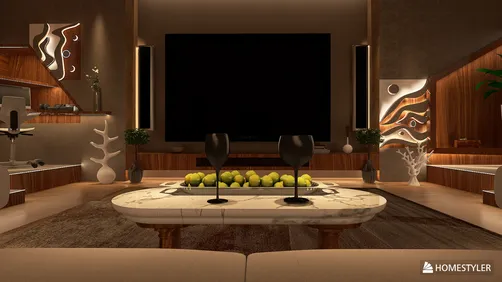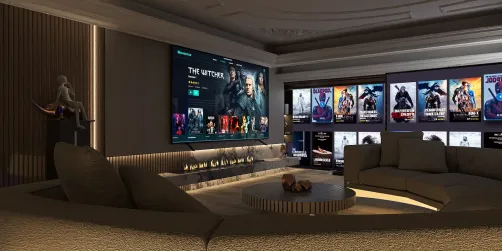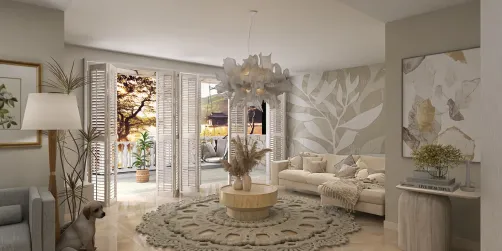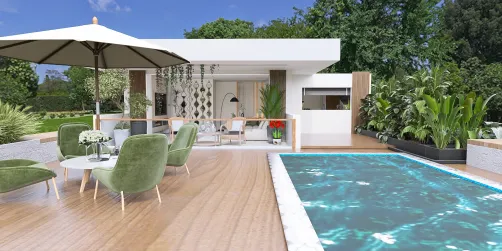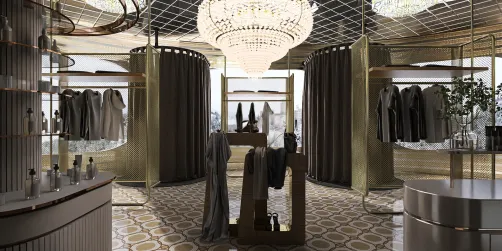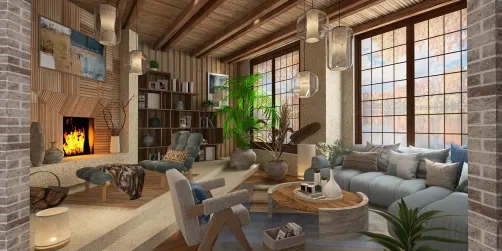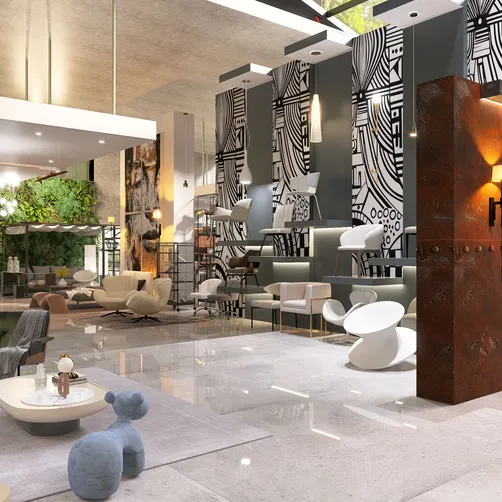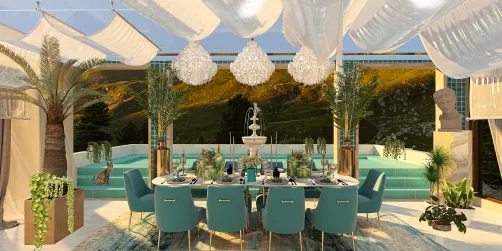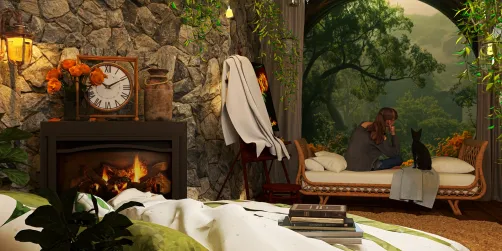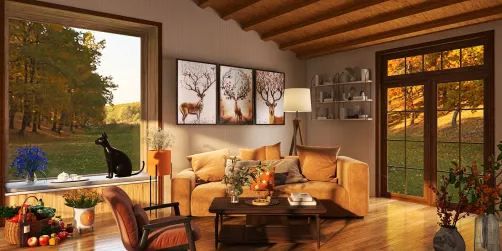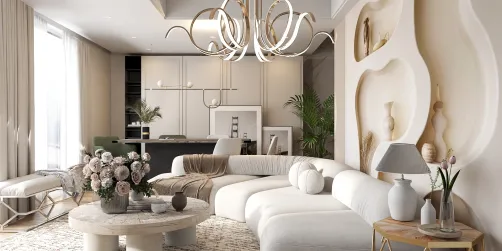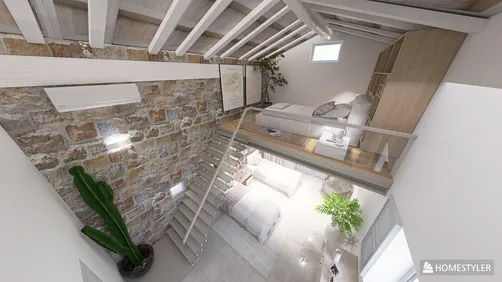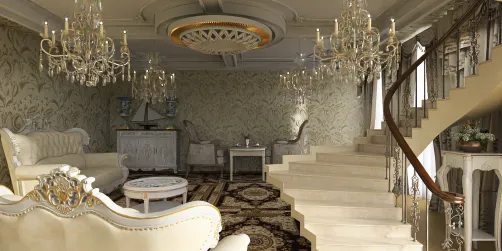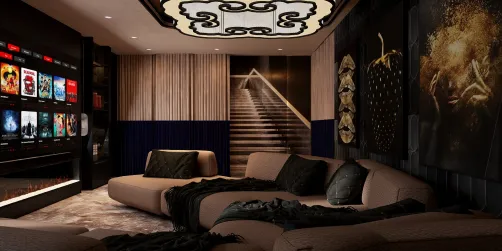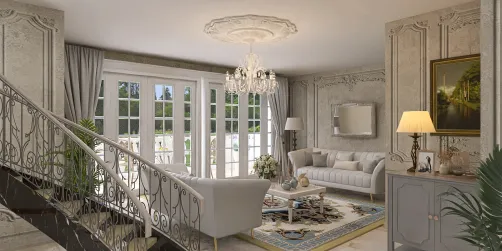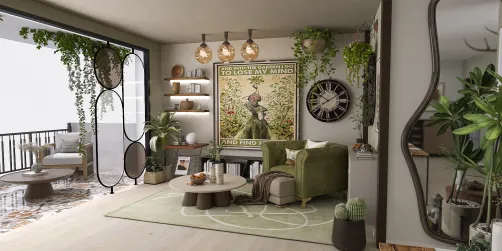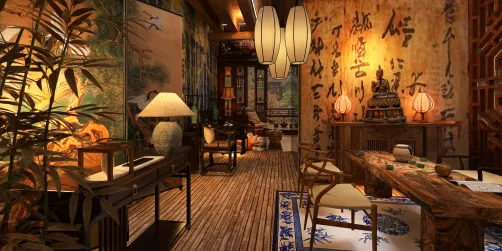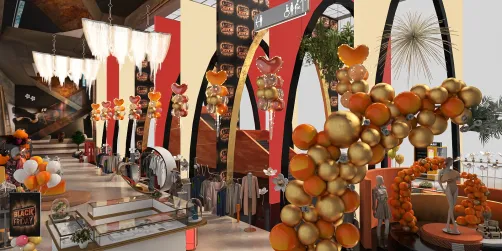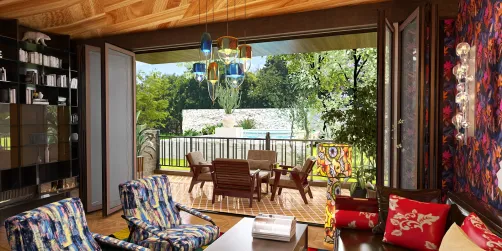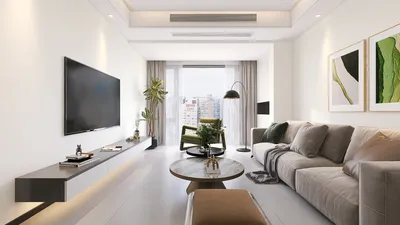
I have crafted numerous weddings where couples envision their beloved RPG worlds as reality—romantic, cinematic, and inviting for guests instead of overwhelming them with costumes. The aim is to create an atmosphere rich in immersion and comfort, enhanced by evocative lighting, sensory layers, and clear navigation that maintains a magical venue feel without confusion.
Performance in real-life settings is crucial. The WELL v2 standard emphasizes that proper lighting balance and glare mitigation significantly affect comfort and ambiance. Its Light concept promotes accurate color rendering and supports circadian rhythms. Steelcase research indicates that environments which encourage posture variation and movement enhance satisfaction—vital when guests transition from seated ceremonies to themed areas for photos and dining. I always integrate these principles into my designs, ensuring that the fantasy ambiance remains ergonomic and comfortable.
Color and its psychological effects can also anchor the thematic essence. An article on color psychology from Verywell Mind suggests that blues promote calmness and trust, reds evoke energy and passion, and greens inspire restoration. These insights are essential when selecting color schemes to highlight a chosen realm—whether it's an enchanting forest, ancient library, or a starry cosmos—while still being photogenic. I generally select a primary color complemented by neutral shades and one accent metal, like antique brass or dark iron, to maintain visual clarity.
Creating Narrative Through Zones
Divide the venue into different narrative zones: Arrival, Ceremony, Feast, Quest (activities), and Farewell. This organization clarifies movement within the space while building the storyline from subtle beginnings to grand conclusions. Utilizing a room layout simulation tool can aid in testing sightlines and arrangement before finalizing decisions on site.
Illuminating the Space: Creating Enchantment Without Glare
Implement lighting as though developing an RPG skill tree: ambient sources such as dimmed chandeliers and cove LEDs, task sources for reading menus and signing the registry, and accent lighting like gobos projecting iconic symbols or forest effects. I adhere to IES guidelines recommending around 150–300 lux for event tasks, ensuring sufficient vertical lighting on faces for photography while employing diffusers and baffles to manage glare. A warm light spectrum of 2700–3000K for dining and 3000–3500K for ceremonies maintains natural skin tones. Use DMX or smart scenes to smoothly transition from the vows to celebration.
Acoustic Considerations: Ensure Every Word is Heard
A themed space can appear visually dense; without treatment, it may suffer from echoes. Aim for a balanced reverberation time (RT60) of around 0.8–1.2 seconds in multipurpose spaces. Use soft banners, fabric-rich canopies, padded seating, and draped peripheries to reduce sound reflections. Position subwoofers away from corners to prevent booming sounds; maintain at least a 3:1 distance between speech microphones and the nearest loudspeaker to minimize feedback. The distinction between unclear vows and emotional moments often hinges on a few well-placed sound absorbers.
Selecting Materials with a Focus on Sustainability
Opt for materials that tell a story while allowing easy setup and dismantling. Reusable wooden screens with carved designs, modular plinths covered in recycled leather or felt, plant-based dyes, and LED candles help cut down on waste and heat production. If the theme leans toward medieval, achieving stone appearances is possible with lightweight textured panels; for cosmic themes, reflective films and dichroic acrylic provide depth without heavy frameworks. Ensure paths are clear and slip-resistant, and verify that aisle widths meet ADA standards between tables.
Distinct RPG Themes and Their Staging
Color Palette: moss greens, dusk blues, and brass. Entryway adorned with branchwork and subtle fairy lights. Ceremony held beneath a canopy of 'quests'—with handwritten vows and guest blessings attached to ribbons. Feast tables feature long runners, foraged-style flowers, and lanterns. Acoustic backdrop: strings and low percussion. Include a quest board near the bar with photography prompts and riddles.
Color Palette: oxblood, ink-blue, and parchment. Backdrop of book spines (fabric or print), clusters of LED candles, and a central lectern for vows. Place sigils on walls using gobos; utilize amber uplights for a cozy glow. Escort cards can be creatively hidden within 'tomes.' Ensure generous aisle space; library ladder decor should be safely secured.
Color Palette: weathered teak, navy, and copper. Sailcloth drapes, rope elements, and compass motifs. Project gentle cloud textures onto ceilings. Ceremony positioned at the 'helm' with a wheel prop; photo corner equipped with maps and monoculars. Serve special drinks in tin cups. Establish acoustic comfort with felt sails to prevent sound distortion.
Color Palette: violet, midnight, and silver. Fiber-optic starry drapes, galaxy-themed gobos, and mirrored plinths. Use cooler 3500K accent lighting to emphasize metallic elements while balancing with warm tablescapes for natural skin tones. Keep reflective surfaces out of direct speaker paths to avoid unwanted sound scattering.
Color Palette: sand, umber, and lapis. Create tiered altars, geometric rugs, and incorporate palm fronds. Employ warm amber uplighting (2700K) on 'columns.' Use scents like cardamom or cedar to enhance the atmosphere. Position older guests centrally for better audibility; provide water stations near dancing areas.
Human Factors: Prioritizing Comfort
Ensure processional pathways are at least 1.5–1.8 m wide to accommodate two-person walks, whether in gowns or armor-like attire. Alternate seating areas with social 'nooks' for guests who prefer quieter spaces. Maintain standard table heights (74–76 cm) and seat heights around 45–48 cm for prolonged comfort during meals. Drawing from workplace studies, Steelcase suggests that incorporating movement and varying postures diminishes fatigue—incorporate leaners, lounge sets, and standing cocktail areas.
Signage and Interactive Elements
Utilize die-cut symbols (potions, swords, stars) for signage, pairing them with high-contrast text for ease of reading. Create 'side quests': lore stamps in the guest book, mini puzzle stations on tables, and group dances that reward 'party achievements.' Pay attention to noise management; space interactive stations to prevent excessive sound concentration in one area.
Strategic Color Choices and Photographic Integrity
Let two primary colors dominate and use accent colors through florals, textiles, or lighting. Optimal skin tone visibility occurs under CRI 90+ standards; avoid heavy magenta tints that can wash out faces. The insights from Verywell Mind on calming blue and vibrant red can inform scene changes: utilize cooler shades during vows and warmer tones during the reception. Confirm arrangements with your photographer by testing color swatches under the event’s final lighting prior to commencement.
Vendor Management and Safety Protocols
Ensure that all rigging is load-rated and that fire-retardant certificates for fabric are readily available. Keep pathways free from low-level decorations; tidy up cables with matting. During rehearsals, review lighting cues and audio levels thoroughly. Provide the zone plan to caterers—arranging buffet lines against guest flow can help avoid bottlenecks.
Cost-Effective Immersion Strategies
Focus on three primary statement pieces: an impactful entryway, a captivating backdrop for the ceremony, and a striking ceiling feature. Fill in with textures—table runners, chair accents, and layered illumination. Reusable elements (wood screens, fabric drapes, modular plinths) can be utilized for multiple events, spreading out costs effectively. For visual impact without significant spend, choose projection—an array of gobos can present crests, maps, and sigils throughout the venue.
From Concept to Finale: A Timeline
Develop the concept and mood board (6–8 weeks before), simulate layouts and secure vendor commitments (4–6 weeks out), perform lighting tests and material samples (2–3 weeks ahead), and conduct a rehearsal with cues (2–3 days prior). If the venue is accommodating, pre-hang substantial elements the day before the event, leaving final adjustments for the morning of the occasion.
Frequently Asked Questions
Q1. How can I maintain an elegant RPG theme without straying into kitsch?
A1. Restrict the color palette, select sophisticated materials, and express motifs through textures and lighting rather than overt props. Three cohesive focal elements are more effective than numerous smaller ones.
Q2. What level of illumination is ideal for dining and photography?
A2. Aim for ambient light levels between 150–300 lux with elevated vertical lighting on faces. A warm spectrum of 2700–3000K enhances food and skin tones whilst reducing glare with the use of diffusers.
Q3. How can I mitigate echo in a spacious hall adorned with fabric elements?
A3. Employ heavy draperies along hard surfaces, use padded seating, and integrate overhead fabric swags. Target an RT60 of approximately 0.8–1.2 seconds for optimal speech clarity.
Q4. What is an effective approach to wayfinding in themed venues?
A4. Combine iconography with high-contrast text and uniform color coding for various zones; install signage at decision points, enhancing clarity with lighting features.
Q5. Which RPG aspects can be effectively translated into lighting designs?
A5. Utilize gobos for displaying crests and symbols, fiber-optic stars for cosmic themes, amber uplighting for sacred spaces, and dynamic cloud projections for atmospheric scenes.
Q6. Are there ergonomic considerations to keep in mind when arranging seating?
A6. Standard table height should be maintained at around 74–76 cm, while seat heights are best kept between 45–48 cm. Offering a variety of seating options, such as lounge areas and standing cocktail spaces, can help alleviate fatigue.
Q7. How should I manage safety and power when using multiple LED fixtures?
A7. Distribute electrical loads evenly across circuits, utilize certified fixtures, keep wiring organized with mats, and ensure all fabrics are fire-retardant. Conduct a comprehensive cue rehearsal.
Q8. What is the most budget-friendly decor modification that can create a significant effect?
A8. A notable ceiling design paired with a strong ceremony backdrop and layered lighting can make a substantial impact. Projections and gobos can yield substantial visuals at a lower expense.
Q9. How can I adjust decorations for venues with low ceilings?
A9. Use horizontal storytelling through wall panels and horizon lines, avoiding tall centerpieces while relying on projection or wall washes to create depth.
Q10. Can interactive 'quests' be integrated without causing crowd congestion?
A10. Absolutely—disperse stations across different zones, limit participation time, and provide clear signage to guide guests. Position one station by the bar and another near photo opportunities.
Homestyler is your go-to online platform for home design! With its user-friendly design tool, stunning 3D renderings, a wealth of design projects, and inspiring video tutorials, you can effortlessly create and visualize your dream space. Transform your home design ideas into reality today!