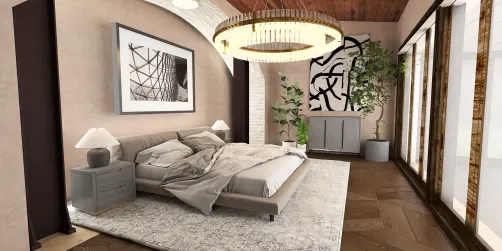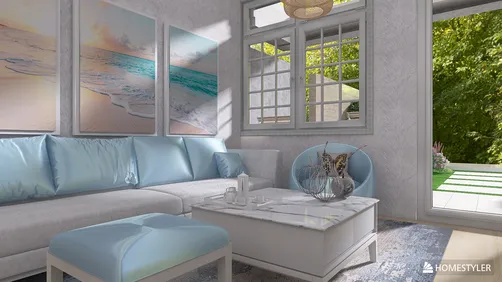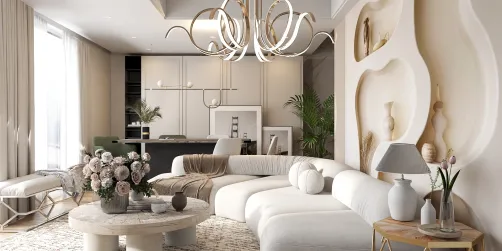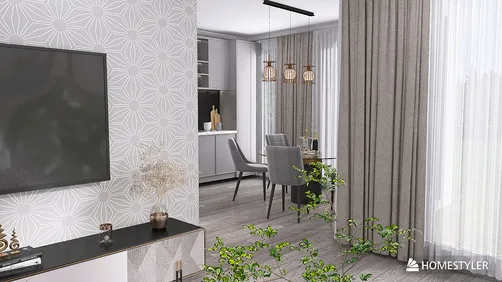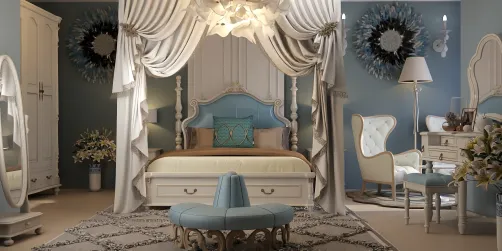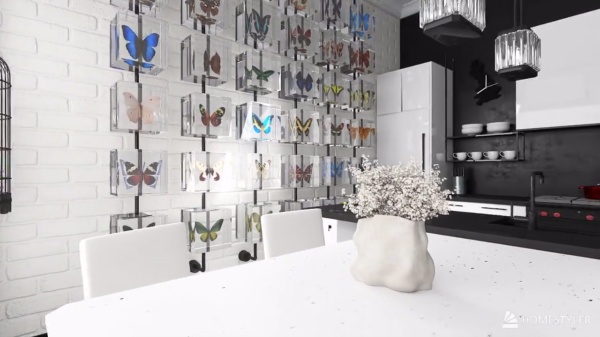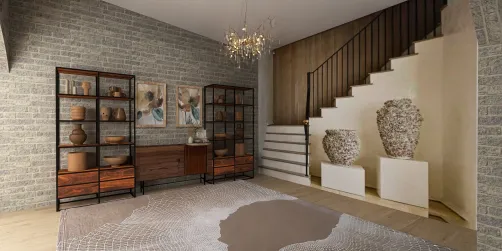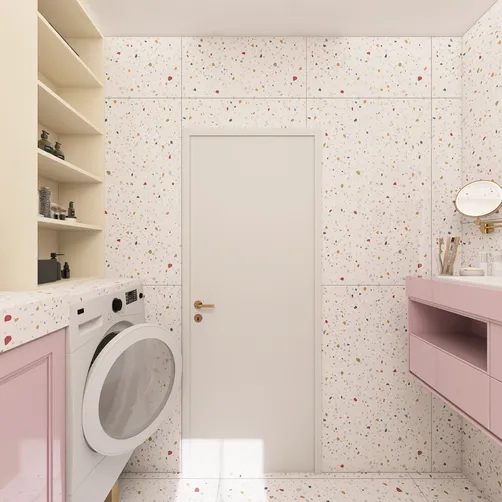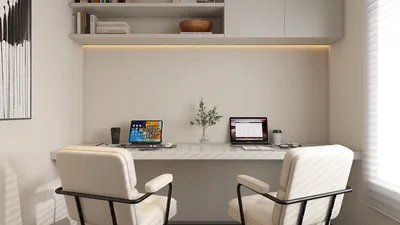
I once worked with a client who envisioned their studio resembling a Pompeian apartment, adorned with tiny painted mythological scenes and faux marble columns. The process was complex, as we struggled to ensure the ceiling proportions matched the visuals. Designing for small spaces requires a mindset akin to that of a fresco painter — every detail matters, and a single miscalculation can disrupt the entire flow. To effectively conceptualize how a miniature painted frieze or faux niche will appear in your living area, I often rely on advanced tools like Homestyler that create AI-enhanced layouts, ensuring harmonious composition before any paint hits the surface.
1. Scaled decorative panels for a feature wall
The Third Style of painting loves slim framed panels featuring small central images. For a modern accent wall, I suggest incorporating three slender panels instead of a single large one, as this not only preserves visual rhythm but also prevents the room from feeling overwhelmed. This approach can be cost-effective if you choose to stencil or use transfer prints. However, achieving the right scale is crucial to avoid a toy-like appearance.
save pin
2. Mini mythic tableaux
Rather than attempting a sprawling mythological scene, consider painting a compact vignette — perhaps a lone figure or a small duo within a painted cartouche. This technique captures the essence of Roman art while minimizing visual clutter; it offers an elegant touch above a sofa. The fine details can be challenging; you might find it beneficial to hire a fresco artisan or simplify the design to a few bold strokes.
save pin
3. Monochrome tones with gilt accents
Utilizing a muted color palette—soft terracottas, warm ivories, alongside hints of gold leaf—suggests the opulence found in Roman interiors without overwhelming the senses. This approach not only feels luxurious but also creates an illusion of height in smaller rooms. Gold can be both expensive and challenging to apply; therefore, I often test faux-gilding paints first to achieve a balance between cost and aesthetic appeal.
save pin
4. Trompe-l’œil niches and shallow architecture
Incorporating painted niches, pilasters, or a shallow cornice can add depth without the need for actual construction. This classic Third Style technique visually expands a wall and provides ideal spots for accent lighting—an excellent choice for compact apartments. If you're uncertain about perspective, consider utilizing Homestyler for a 3D visualization workflow to ensure the illusion aligns perfectly with the furniture and sightlines.
save pin
5. Thin friezes and linear ornament
Delicate friezes positioned along the upper third of the wall pay homage to the intricate designs of the Third Style while maintaining a modern feel. They are budget-friendly and involve minimal commitment—ideal for renters or those planning future redecorations. Ensuring accurate measurement and consistent motif repetition can be a tedious task; make use of painter's tape and a light grid to keep everything in check, or seek out Homestyler for precision floor plan generation before you begin marking your lines.
save pin
FAQ
Q1: What exactly is Third Style Roman wall painting?
Third Style, often dubbed the Ornate Style, is characterized by delicate, framed panels and refined ornamentation instead of the architectural illusions of prior styles. It emerged in Roman wall painting around the late 1st century BCE, with notable examples found in Pompeii and Herculaneum.
Q2: Can I recreate this look in a small modern apartment?
Absolutely! By simplifying your panels, opting for a restrained color scheme, and incorporating small myth-inspired vignettes, you can embody the style without overwhelming your space. Pay attention to scaling and proportion for the best results.
Q3: What materials are best for faux fresco effects?
Matte acrylics or mineral-based paints provide a fresco-like finish. For greater authenticity, using limewash layered with pigments can effectively mimic traditional fresco techniques. Always test samples on a board first to ensure the desired texture and adhesion.
Q4: Is gold leaf a necessary addition?
No, while gilt accents add a touch of period charm, they are not essential. Using metallic paints or leaf-effect mediums can also create a similar warm effect at a lower cost and with easier application.
Q5: How can I protect painted walls in high-traffic areas?
Consider applying a sacrificial clear varnish with a low sheen to safeguard the paint surface or position detailed panels in low-contact zones such as above sofas or beds. Avoid using glossy finishes, as they can disrupt the visual illusion of a fresco.
Q6: Do I need conservation permission for historic buildings?
Yes, alterations to listed or historic properties often necessitate permission before making changes to original finishes. Always consult local heritage guidelines before proceeding with any painting.
Q7: Where can I find more information about classical Roman fresco styles?
The Metropolitan Museum of Art offers in-depth overviews and catalog entries detailing Pompeian painting styles. Their website, metmuseum.org, is a valuable resource for reliable references, summarizing the four principal Pompeian styles and their significant examples.
Q8: Is it possible to DIY a Third Style wall, or should I hire a professional?
Basic friezes and outline panels are quite easy to tackle yourself using stencils and transfers. However, for more intricate figurative works, hiring a muralist is advisable. It's best to start with mockups and small test panels to gauge your enjoyment of the process before fully committing to the idea on the entire wall.
save pin
Looking to transform your space? Homestyler is your go-to online home design platform! With its user-friendly design tool, stunning 3D renderings, and a wealth of DIY video tutorials, you can easily create and visualize your dream home. Start your design journey today!