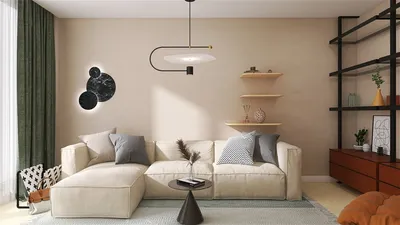


During a recent visit to a client's residence, I was caught off guard with a ladder and the incorrect sheen—one wall shone like a mirror while other areas displayed a subtle eggshell finish. This minor hiccup highlighted how quickly choices can alter the perceived cost and value of a paint job, demonstrating that small decisions can lead to significant design victories. If you're considering the costs associated with painting your home’s interior, combining your paint selections with effective room layout ideas can notably save you money in the long haul. For instance, smart layout concepts helped one of my clients reduce their repaint frequency by half.
1. Selecting the Ideal Finish — Save Initially and Over Time
I generally recommend eggshell or satin finishes for living spaces due to their ability to conceal imperfections and facilitate cleaning, which means fewer touch-ups are required as time goes by. Although these finishes come at a slightly higher initial cost than flat paint, they often result in lower repainting frequency over the years.
save pin
2. Cost-Effective Accent Walls
Creating a single accent wall or painting an alcove can provide the impact of a complete repainting at a fraction of the expense. This strategy is particularly effective in rental properties or smaller homes, though it may become challenging to match colors and finishes later on if leftover paint is not preserved.
save pin
3. Maximizing Paint and Lighting Effects
Effective lighting can elevate a less expensive paint to give it a premium appearance. Consider changing bulbs or installing sconces before opting for pricier colors. If you want to preview alterations virtually, utilize tools such as Homestyler to visualize your space—this can help you avoid costly sample runs in future projects: visualize your space.
save pin
4. DIY vs Professional Help — Where to Save and Where to Invest
Reducing labor costs can lead to significant savings, but not every surface is suitable for do-it-yourself projects. I advise clients to handle ceilings and trim work themselves, provided they have the requisite skills, while employing professionals for textured walls, lofty ceilings, or expansive open-plan areas to circumvent expensive mistakes.
save pin
5. Minor Details, Major Effects
Simple enhancements such as new outlet covers, sharply taped edges, and a fresh coat on doors can make a paint job appear luxurious without straining the budget. For kitchens, meticulous preparation and strategic localized painting can keep costs down while transforming the feel of the room—explore targeted strategies in my kitchen layout tips for optimal planning: kitchen layout tips.
save pin
Frequently Asked Questions
Q1: What is the typical cost of painting a house's interior per square foot?
On average, I estimate $1.50–$3.50 per square foot for standard walls (including materials and labor), though this varies based on location, preparation requirements, and finish selection. For room-level averages and national statistics, refer to HomeAdvisor’s interior painting cost guide: https://www.homeadvisor.com/cost/painting/interior-painting/.
Q2: What is the cost to paint a single room?
You can expect to pay around $300–$800 for an average 10x12 room when hiring professionals, which may vary according to trim detail and overhead work. Opting for DIY can reduce this cost, though timing and quality may be compromised.
Q3: Which paint finish is the most cost-effective?
Flat paint is the least expensive and effectively masks flaws, but satin and eggshell finishes, while slightly more costly, can often be more economical over time due to their easier maintenance. I usually suggest using satin or eggshell in high-traffic areas for their durability.
Q4: How can I cut expenses without losing quality?
Ensure thorough preparation (cleaning walls, sealing holes), paint trims with neutral shades to reduce over-correction, and limit focus areas like accent walls. Investing in quality paint for high-usage areas can help minimize the need for frequent repaints.
Q5: Is hiring a professional painter worth it?
If your walls require plastering, you have high ceilings, or a flawless finish is necessary for resale, hiring experts can be a wise choice. For simpler spaces, a DIY approach can be effective if you have a realistic understanding of the time and skill required.
Q6: What is the typical duration for an interior paint job?
Painting a single room generally takes one to two days, while tackling a whole small home may require between three to seven days depending on the prep work and drying periods involved. It's essential to account for primer and multiple coats, especially in humid conditions.
Q7: Can I paint over wallpaper?
While it's feasible to paint over wallpaper, it's not recommended—issues with adhesion and pattern bleed-through are frequent. I suggest removing wallpaper or consulting a professional for proper sealing techniques to avoid costly rework later on.
Q8: How do color choices influence perceived costs?
Neutral hues often convey a higher-end feeling when matched with quality finishes and adequate lighting, while bold shades can mask imperfections in limited quantities. I recommend testing color swatches at various times during the day to prevent any costly surprises later.
save pin
Homestyler is your go-to online home design platform, perfect for all skill levels. With its user-friendly design tool, stunning 3D renderings, diverse design projects, and helpful DIY video tutorials, you can effortlessly transform your home into a stylish sanctuary. Start creating your dream space today!
Progetta ora GRATIS
































